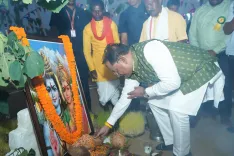
Kishan Reddy visits Hyderabad UPHCs, delivers medical equipment
Synopsis
Union Minister G. Kishan Reddy toured three Hyderabad UPHCs on October 15, delivering medical equipment under the National Urban Health Mission to improve diagnostics and primary care access in Mettuguda, Musheerabad and Kavadiguda.
Key Takeaways
Kishan Reddy visited Urban Primary Health Centres in Mettuguda, Musheerabad, and Kavadiguda in Hyderabad on October 15, 2026 .
Essential medical equipment was provided to strengthen diagnostic and patient-care capacity at all three facilities.
The visits fall under the National Urban Health Mission (NUHM) , launched in 2013 to upgrade primary healthcare in urban India.
Reddy is both Union Coal and Mines Minister and BJP Telangana state president , giving the visits political as well as administrative significance.
Telangana is governed by the Congress party, making these central-scheme-linked visits a visible assertion of BJP's ground presence in the state.
Actual equipment specifications and utilisation outcomes were not disclosed and remain unverified.
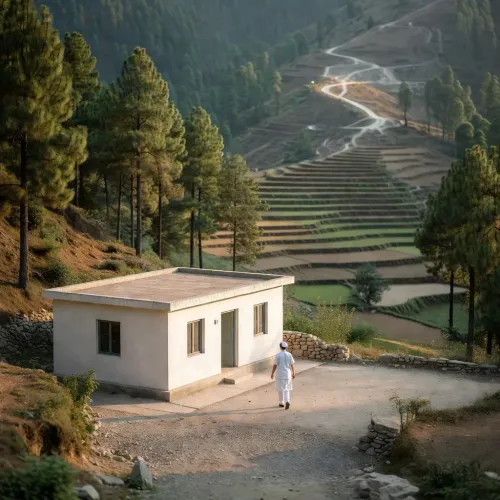
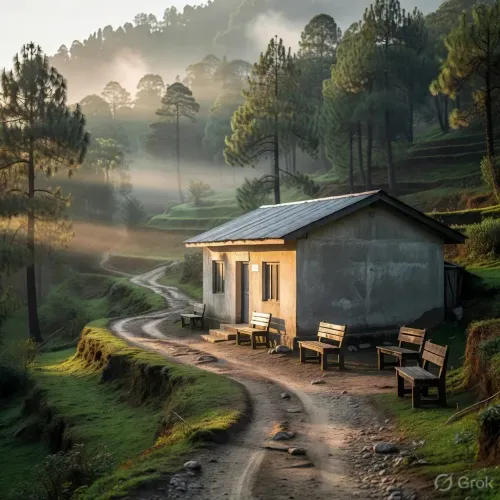
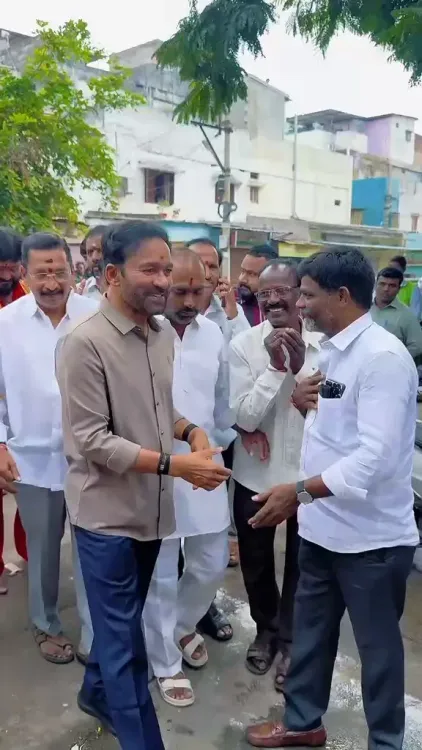
Three urban primary health centres in Hyderabad received fresh medical equipment on Thursday, October 15, 2026, as Union Coal and Mines Minister and BJP Telangana president G. Kishan Reddy toured facilities in Mettuguda, Musheerabad, and Kavadiguda — a ground-level push to strengthen the city's first line of public healthcare.
Three localities, one message: primary care gets an upgrade
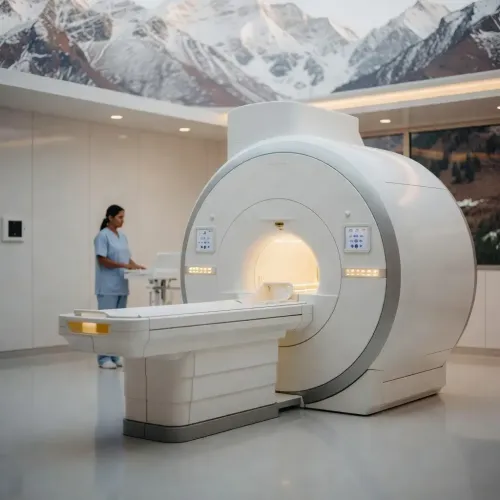
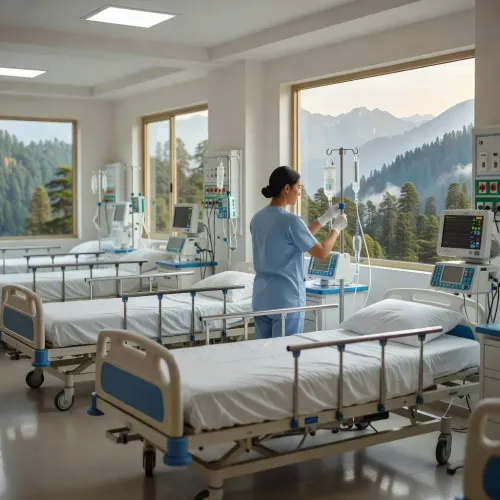
Reddy shared glimpses of all three visits on social media, framing the equipment delivery as a direct boost to 'patient care, diagnostic facilities and access to quality healthcare.' The Urban Primary Health Centres he visited operate under the National Urban Health Mission (NUHM), the central government framework launched in 2013 to close the infrastructure gap in India's fast-growing cities. UPHCs are typically the first institutional touchpoint for low-income urban residents — the ward-level clinics where a missed ECG machine or a broken glucometer can mean the difference between early diagnosis and a preventable crisis.
Equipping these facilities with functional diagnostic tools is therefore not a ceremonial gesture. It directly determines whether a Musheerabad resident gets a blood test on the spot or is turned away to a distant district hospital.
Central schemes, opposition-ruled state — the political geometry
Telangana is governed by the Congress-led administration, making Reddy's high-visibility UPHC visits part of a familiar pattern: BJP central ministers spotlighting the reach of central-government health programmes in states where the party is in opposition. By anchoring the effort to Prime Minister Narendra Modi's broader commitment to 'accessible, affordable and quality healthcare for all,' Reddy simultaneously attributes the equipment push to Union-level policy architecture while building his own profile as the BJP's ground-level face in Hyderabad.
The NUHM's mandate — urban primary infrastructure, equipment support, outreach to marginalised urban communities — gives the Centre a legitimate programmatic hook for such visits, independent of which party runs the state government.
What improved diagnostic access means for Hyderabad's urban poor
Hyderabad's older inner-city localities — Mettuguda, Musheerabad, Kavadiguda — are densely populated, mixed-income neighbourhoods where public health infrastructure shoulders disproportionate load. Better-equipped UPHCs in these areas translate to shorter referral chains and less pressure on tertiary hospitals. The precise equipment supplied was not disclosed in the post, and specific rollout details remain unverified, but the emphasis on 'diagnostic facilities' signals investments beyond basic consumables — likely equipment that supports point-of-care testing.
The real test, as health-policy watchers will note, is utilisation: whether the equipment is maintained, staffed, and actually deployed for patients — a challenge that has historically tripped up NUHM rollouts across Indian cities. That accountability trail now runs through both Hyderabad's municipal health system and the central ministry's follow-through.
Point of View
Not just an administrative act. Longer-term, the credibility of these visits hinges on equipment utilisation and maintenance, which fall under the state government's operational remit — a built-in accountability tension. It reflects a broader BJP strategy of making central scheme beneficiaries visible in Congress-governed Telangana ahead of future electoral cycles.
NationPress
15 Oct 2026
Frequently Asked Questions
What are UPHCs and who runs them in Hyderabad?
Urban Primary Health Centres (UPHCs) are ward-level clinics that provide basic outpatient, diagnostic and maternal care to urban residents. They operate under the National Urban Health Mission, a central government programme, but are managed day-to-day by state or municipal authorities — in Hyderabad's case, under the Telangana government's health department.
Why did G. Kishan Reddy visit UPHCs in Hyderabad?
Reddy visited UPHCs in Mettuguda, Musheerabad and Kavadiguda on October 15, 2026, to oversee the delivery of essential medical equipment aimed at improving diagnostic facilities and patient care access under the central government's urban health agenda.
What is the National Urban Health Mission?
The National Urban Health Mission (NUHM) was launched by the central government in 2013 to strengthen primary healthcare infrastructure in Indian cities, including equipment support, outreach to urban poor communities, and capacity-building at UPHCs.
Is G. Kishan Reddy only a Union Minister or does he have a party role in Telangana?
Reddy holds both positions simultaneously: he is the Union Minister of Coal and Mines in the central cabinet and also serves as the BJP's Telangana state president, making him the senior-most BJP figure in the state.
What is the significance of these visits given Telangana's current government?
Telangana is governed by the Congress party, so Reddy's high-profile visits to NUHM-linked facilities serve the dual purpose of spotlighting central-government health investments and reinforcing the BJP's presence and outreach in an opposition-ruled state.