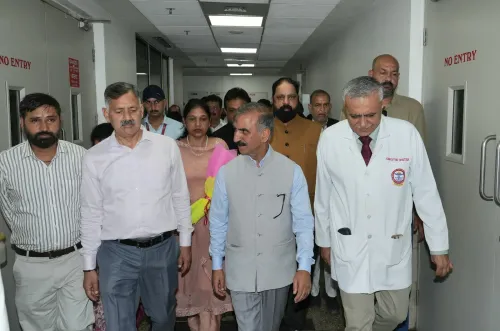
CM Sukhu chairs meet on rural health access in HP
Synopsis
Chief Minister Sukhvinder Singh Sukhu convened a meeting on 19 June 2026 to improve healthcare access near rural homes in Himachal Pradesh, with Rural Development Minister Anirudh Singh and senior officials in attendance.
Key Takeaways
CM Thakur Sukhvinder Singh Sukhu chaired a meeting on 19 June 2026 focused on bringing health services closer to people's homes in Himachal Pradesh .
Rural Development and Panchayati Raj Minister Anirudh Singh attended, indicating a cross-departmental approach linking local governance with healthcare delivery.
The initiative aims to leverage panchayati raj institutions to improve last-mile health access in the state's dispersed hill settlements.
The push aligns with national frameworks including the National Rural Health Mission (2005) and Ayushman Bharat (2018) .
Follow-up orders on gram panchayat-level health facility upgrades and potential budget allocations are expected next.
The Chief Minister's Office of Himachal Pradesh shared details on Friday, 19 June 2026 of a high-level meeting convened by Chief Minister Thakur Sukhvinder Singh Sukhu focused on improving healthcare delivery closer to people's homes across the state's rural and semi-urban areas.
The Chief Minister's Office posted that the goal of the discussions was 'jisse logon ko unke ghar ke paas hi behtar swasthya sevaen mil saken' — 'so that people can access better health services near their homes.' The meeting was attended by Rural Development and Panchayati Raj Minister Anirudh Singh along with other senior officials of the state government.
Context
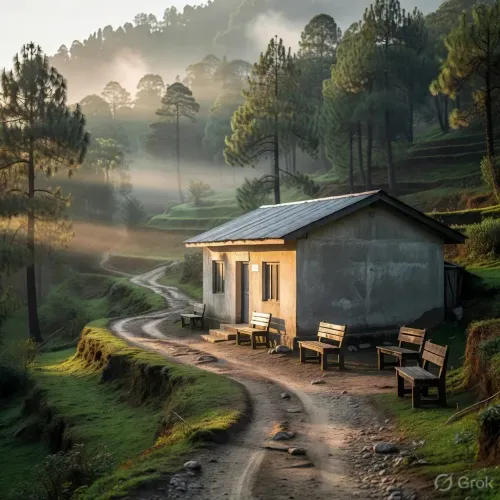
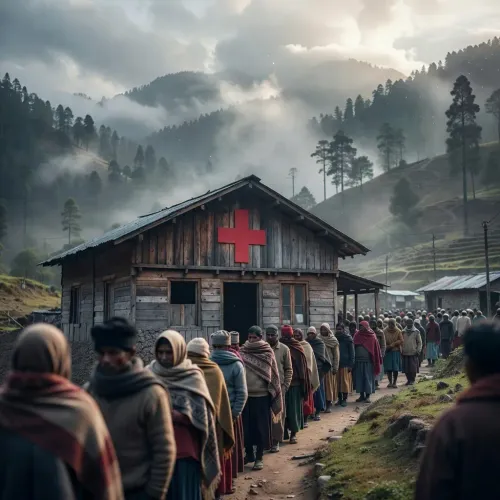
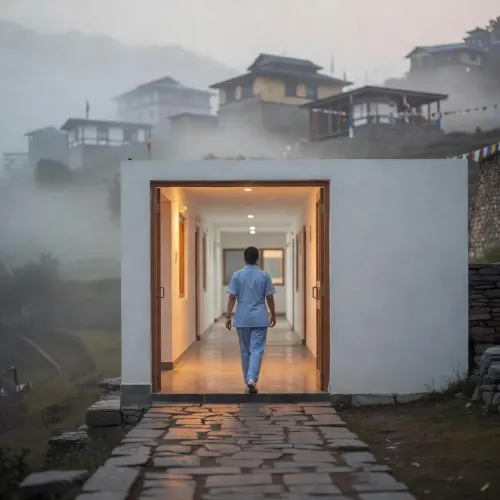
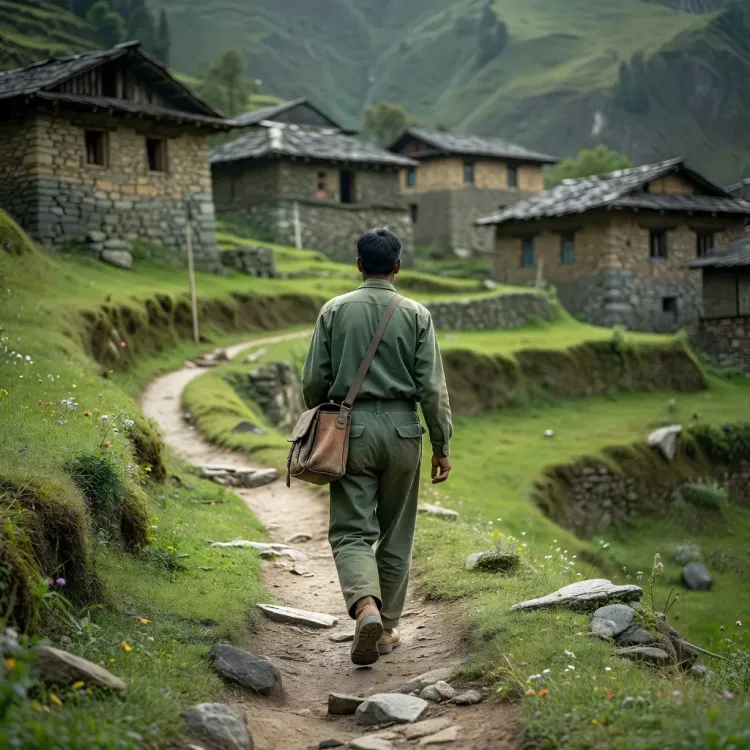
Himachal Pradesh presents a unique healthcare challenge: its dispersed hill settlements mean that residents in remote panchayats often travel long distances to reach the nearest health facility. The state government has consistently prioritised last-mile health delivery as a core governance concern since Chief Minister Sukhu assumed office in December 2022.
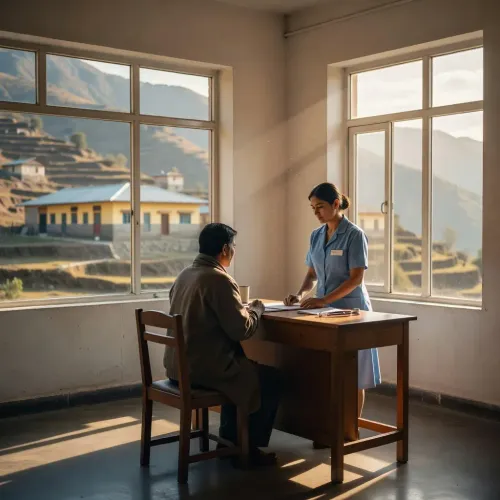
The presence of the Rural Development and Panchayati Raj Minister at a health-focused meeting signals the administration's intent to route healthcare improvements through local self-government bodies — the gram panchayats that are often the most accessible point of contact for villagers.
Policy Backdrop
This initiative sits within a well-established national policy framework. The National Rural Health Mission (NRHM), launched in 2005, was designed specifically to strengthen primary health infrastructure and outreach in rural India. A decade later, Ayushman Bharat (introduced in 2018) further expanded the vision by creating Health and Wellness Centres intended to bring comprehensive care closer to communities.
Himachal Pradesh has historically aligned its health planning with these frameworks, but the dispersed geography of the state demands additional localisation. Integrating health service planning with panchayati raj institutions is increasingly the preferred model across Indian states for bridging the last-mile gap.
Stakeholders and Impact
The primary beneficiaries of any outcome from this meeting would be rural residents of Himachal Pradesh — particularly those in remote hill villages where terrain makes access to district hospitals difficult. Panchayati raj institutions stand to gain a more active role in health planning and oversight if the state moves to devolve health functions further.
Senior officials present at the meeting suggest that administrative follow-through — including potential directives to district health officers and block-level panchayat bodies — is expected. Minister Anirudh Singh's participation underlines the cross-departmental nature of the push, linking rural development funds and local governance machinery to health outcomes.
What's Next
Observers will watch for follow-up orders on health facility upgrades at the gram panchayat level, including any announcements on mobile health units or cluster-based service models suited to Himachal Pradesh's terrain. Allocations in the next state budget for decentralised health infrastructure would be a concrete indicator of how far this meeting's discussions translate into policy action.
The direction set by CM Sukhu in this meeting could also shape how the state aligns future spending under centrally sponsored health schemes with its own panchayat-level delivery architecture.
Point of View
The Sukhu government is signalling a structural shift — treating gram panchayats not merely as administrative units but as active health delivery nodes. This mirrors a broader national trend of devolving primary healthcare responsibility to local self-government, but in Himachal Pradesh's case, the geographic imperative makes it especially urgent. The political calculus is also clear: visible improvements in village-level health services are a tangible deliverable for a government seeking to demonstrate welfare outcomes ahead of future electoral cycles. Whether administrative follow-through matches the meeting's ambition will be the real test.
NationPress
19 Sept 2026
Frequently Asked Questions
What was the CM Sukhu health meeting about on 19 June 2026?
Chief Minister Sukhvinder Singh Sukhu chaired a meeting focused on improving healthcare access for people near their homes in Himachal Pradesh, with Rural Development Minister Anirudh Singh and senior officials present.
Who is Anirudh Singh in Himachal Pradesh government?
Anirudh Singh is Himachal Pradesh's Minister for Rural Development and Panchayati Raj, responsible for local governance and rural service delivery across the state.
How does Himachal Pradesh plan to improve rural health services?
The state is exploring routing better healthcare delivery through panchayati raj institutions so that residents in remote hill villages can access health services closer to home, without travelling long distances to district hospitals.
What national health schemes are relevant to Himachal Pradesh's rural health push?
The National Rural Health Mission launched in 2005 and Ayushman Bharat introduced in 2018 both support decentralised, community-level health infrastructure that Himachal Pradesh is building on.
Why is last-mile health access a challenge in Himachal Pradesh?
Himachal Pradesh's dispersed hill settlements and difficult terrain mean many villagers must travel long distances to reach health facilities, making panchayat-level service delivery especially important.