Shekhawat: Vocal for Local takes Bihar makhana to Greece
Synopsis
Union Minister Gajendra Singh Shekhawat highlights PM Modi's Mann Ki Baat 139 message: Vocal for Local is propelling Bihar's makhana to Greece and Karnataka's arhar dal to Maldives, opening new global markets for Indian farmers.
Key Takeaways
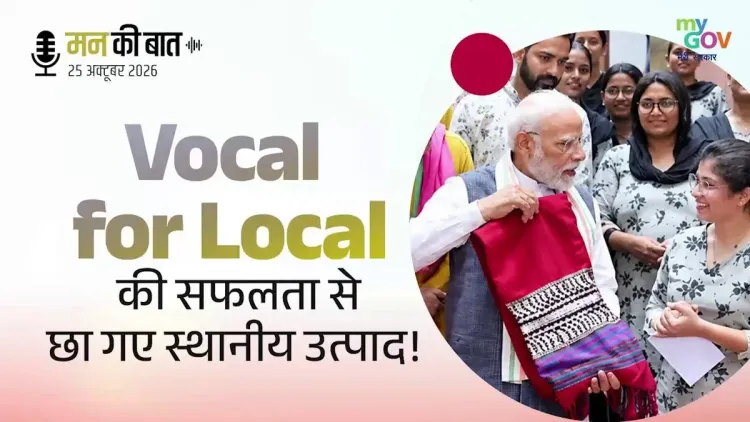
Union Minister Gajendra Singh Shekhawat amplified PM Modi's Mann Ki Baat 139th episode on 25 October 2026 , spotlighting Vocal for Local export wins.
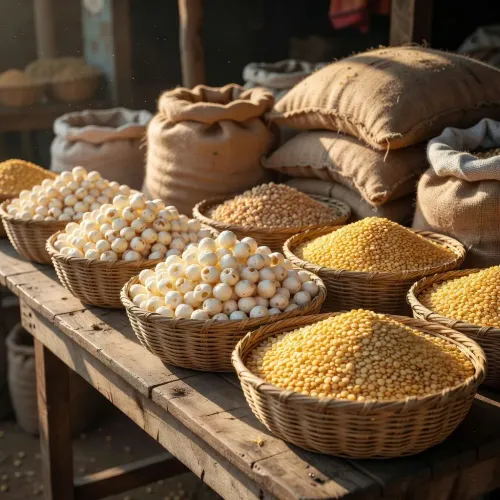
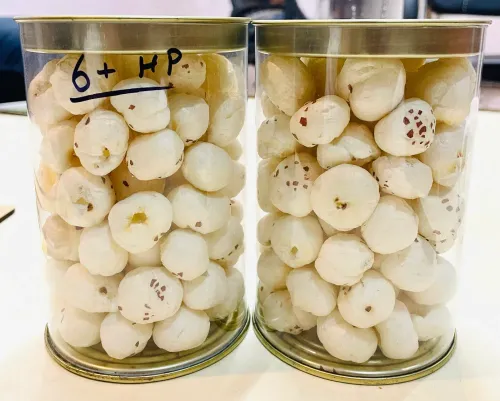
Purnia, Bihar's makhana is reportedly reaching Greece , marking a new European market for the aquatic crop.
Kalaburagi, Karnataka's arhar dal is reportedly being exported to the Maldives , expanding South Asian food trade links.
Vocal for Local was launched under the Atmanirbhar Bharat package in May 2020 to boost domestic production and reduce import dependence.
Mann Ki Baat has served as a consistent policy amplifier since October 2014 , showcasing grassroots success stories.
The export push dovetails with Geographical Indication branding efforts that add premium value to regionally distinctive Indian products.
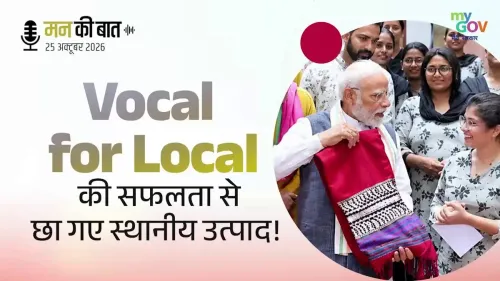
From a pond in Purnia, Bihar to a shelf in Greece — and from the fields of Kalaburagi, Karnataka to a kitchen in the Maldives: Union Culture and Tourism Minister Gajendra Singh Shekhawat highlighted on Sunday, 25 October 2026 how Prime Minister Narendra Modi's 'Vocal for Local' resolve is translating into tangible export breakthroughs for Indian farmers.
Sharing key takeaways from the 139th edition of Mann Ki Baat, Shekhawat wrote that the spirit of adopting swadeshi goods is now winning Indian products a global identity — 'स्वदेशी अपनाने का संकल्प, भारतीय उत्पादों को दिला रहा वैश्विक पहचान!' ('The resolve to embrace the indigenous is earning Indian products a global identity!'). The minister underscored that local produce is reaching entirely new markets, opening fresh opportunities for farmers who have long struggled with limited market access.Makhana from Purnia, arhar dal from Kalaburagi — two crops, two new continents
Purnia in north Bihar is one of India's most significant makhana-producing belts. The aquatic crop — harvested from the region's wetlands and ponds — has traditionally been sold within domestic markets, carrying strong cultural and nutritional value. Its reported journey to Greece represents a leap into a European market that had little prior exposure to the ingredient. Equally notable is Kalaburagi's arhar dal — a pulse central to Karnataka's agriculture — now reportedly reaching Maldives, a near-neighbour with growing appetite for South Asian food products. These two examples are not random anecdotes. They reflect a deliberate pattern: pairing India's geographically distinct agricultural identities with targeted export outreach under the Vocal for Local umbrella.Vocal for Local's route from a 2020 policy call to a 2026 export story
Vocal for Local was embedded within the Atmanirbhar Bharat package announced in May 2020, designed to reduce import dependence and turbo-charge domestic production. The campaign asked citizens to consciously choose Indian-made goods — but the larger strategic intent was always to connect that domestic pride to international competitiveness. Mann Ki Baat, the Prime Minister's monthly radio address that began in October 2014, has served as a consistent amplifier, surfacing grassroots success stories and linking them to the broader Make in India narrative. By its 139th episode, the programme has become a reliable showcase for policy outcomes translated into human terms — a farmer in Bihar now indirectly connected to a consumer in Athens.What farmers stand to gain as local becomes global
The stakes are real. Indian farmers, especially in districts like Purnia and Kalaburagi, have historically depended on intermediary-heavy supply chains that compress their margins. Direct or near-direct export pathways — even when facilitated through cooperatives or commodity boards — can meaningfully improve farmgate prices. The Vocal for Local framing also dovetails with efforts to register more products under Geographical Indication tags, which add premium branding value in international markets. Minister Shekhawat's amplification of the Prime Minister's message signals that the cultural dimension of self-reliance — pride in origin, provenance, and craft — is being woven into India's trade diplomacy as much as its domestic consumer campaigns. Two crops. Two new markets. One consistent policy direction — and a reminder that the distance between a Bihar wetland and a Greek table is shrinking fast.Point of View
A shift that suits both trade objectives and electoral messaging in agrarian states like Bihar and Karnataka. Highlighting specific districts — Purnia and Kalaburagi — rather than abstract statistics is a deliberate political choice: it grounds a macroeconomic policy in identifiable communities. The consistency of this framing across Mann Ki Baat episodes suggests a coordinated communications strategy designed to sustain the Atmanirbhar Bharat brand well into the mid-2020s.
NationPress
25 Oct 2026
Frequently Asked Questions
What is Vocal for Local and how does it help Indian farmers?
Vocal for Local is a campaign launched under India's Atmanirbhar Bharat package in May 2020 that encourages citizens to buy Indian-made goods and supports the export of locally produced items, helping farmers access new international markets and improve their incomes.
What did PM Modi say in Mann Ki Baat episode 139?
In the 139th edition of Mann Ki Baat, PM Modi highlighted that the Vocal for Local movement is helping Indian products reach new global markets, citing makhana from Purnia, Bihar reaching Greece and arhar dal from Kalaburagi, Karnataka reaching the Maldives.
Why is Purnia makhana significant for exports?
Purnia in Bihar is one of India's largest makhana-producing regions. The aquatic crop has strong nutritional and cultural value, and its export to markets like Greece signals growing international demand for traditionally Indian superfoods.
What is Atmanirbhar Bharat and when was it launched?
Atmanirbhar Bharat, meaning self-reliant India, is an economic framework announced by PM Modi in May 2020 aimed at reducing import dependence, boosting domestic manufacturing, and promoting Indian products globally.
When did Mann Ki Baat start and what is its purpose?
Mann Ki Baat is a monthly radio address by Prime Minister Narendra Modi that began in October 2014. It is used to communicate government initiatives, highlight citizen achievements, and promote flagship schemes directly to the public.