CM Samrat Choudhary: Purnea Makhana Now Reaches Greece
Synopsis
Bihar CM Samrat Choudhary amplified a Mann Ki Baat highlight on October 25, 2026, noting that makhana from Purnea is reaching Greece — a marker of Vocal for Local and Atmanirbhar Bharat translating into real agricultural export gains for Bihar's farmers.
Key Takeaways
Bihar CM Samrat Choudhary shared on October 25, 2026 that makhana from Purnea, Bihar is now being exported to Greece .
The post quotes PM Narendra Modi's Mann Ki Baat address, framing the export as a 'Vocal for Local' success story.
Purnea district in northern Bihar is India's primary makhana-producing region, with the crop increasingly sought in global health-food markets.
The Atmanirbhar Bharat Abhiyan , launched in 2020 , set the policy framework for promoting indigenous and regional agricultural products globally.
The milestone reflects a broader national trend of GI-tagged Indian farm produce finding new export destinations across Europe and beyond.
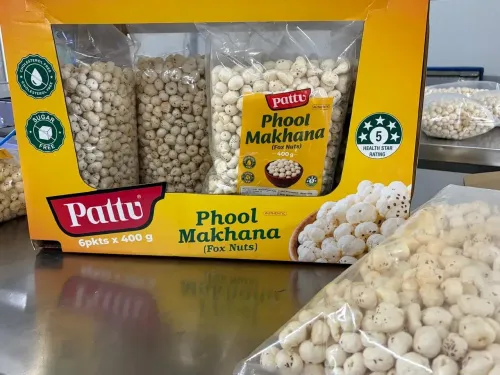
A superfood grown in the wetlands of Purnea, Bihar, has quietly crossed continents — and Bihar Chief Minister Samrat Choudhary wants the country to notice. On Sunday, October 25, 2026, Choudhary shared a striking export milestone on X, citing that makhana from Purnea is now reaching Greece, calling it a living example of the 'Vocal for Local' spirit in action.
Quoting Prime Minister Narendra Modi's Mann Ki Baat address, Choudhary wrote that the growing preference for indigenous products during the festive season represents a positive change — and that Purnea's makhana reaching European shores proves India's farmers are finding a genuine global audience.
Purnea's makhana and its journey to European shelves
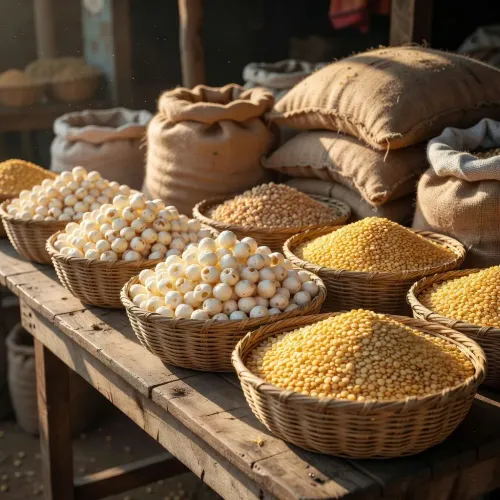
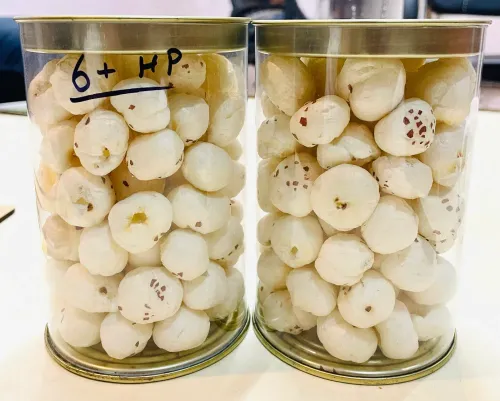
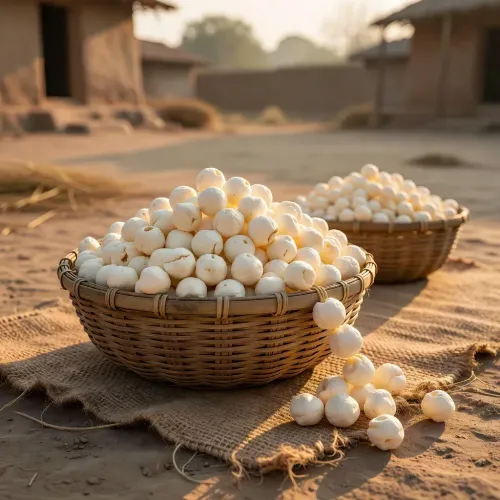
Purnea district in northern Bihar is the heartland of India's makhana — or fox nut — cultivation. The crop, harvested from ponds and wetlands, has been a staple of the region's agrarian economy for generations. What has changed dramatically over the past few years is where it ends up: not just in Indian kitchens, but in health-food aisles abroad.
The reference to Greece as a new destination underlines how demand for plant-based, high-protein snacks is opening unlikely corridors for Indian farm produce. Makhana is low-calorie, gluten-free, and rich in nutrients — a profile that maps neatly onto European wellness trends. That market alignment is doing real work for Bihar's farming communities.
Vocal for Local, Atmanirbhar Bharat — and what Bihar's numbers mean for the bigger story
In 2020, Prime Minister Modi launched the Atmanirbhar Bharat Abhiyan, with 'Vocal for Local' as its rallying slogan — a call to citizens to prefer domestically made and grown products. The policy logic was simple: domestic pride, channelled through purchasing decisions, could lift rural producers and reduce import dependence simultaneously.
Six years on, CM Choudhary's post is a state-level data point in that national arc. Several Indian states have since reported growth in exports of GI-tagged and regionally specific agricultural items to newer markets, and Bihar's makhana fits squarely in that pattern. The festive season — when consumption of premium Indian snacks spikes — gives that story added resonance.
For the farmers of Purnea, a European export route is not an abstraction. It means better farmgate prices, more consistent demand, and a supply chain that looks outward rather than just local. That is the concrete human outcome behind what could otherwise sound like a policy slogan.
What the Mann Ki Baat mention signals
Choudhary's post is specifically pegged to a Mann Ki Baat episode — Prime Minister Modi's long-running monthly radio address — which apparently highlighted the makhana-to-Greece story as an example of Vocal for Local bearing fruit. State chief ministers amplifying specific Mann Ki Baat moments is a well-established pattern in BJP-governed states, reinforcing the centre-state narrative alignment on Atmanirbhar Bharat.
The timing, during the festive season when the 'buy Indian' message carries its loudest annual echo, is deliberate. And the choice of makhana — not a manufactured product but a farmer-grown crop from one of India's poorer districts — makes the argument more persuasive than any factory-floor showcase could.
If Purnea's fox nut can find a shelf in Athens, the question for policymakers now is how many more such corridors are sitting undiscovered — and what trade facilitation it would take to open them.
Point of View
Farmer-facing export win to validate the Atmanirbhar Bharat framework ahead of the festive season. The Greece reference is strategically chosen: a European destination lends the story an aspirational international weight that a neighbouring-country trade figure might not. What the post also does, more quietly, is position Bihar as an active participant in India's export growth story — significant for a state whose economic narrative has historically centred on welfare and migration rather than export capability. Watch whether this becomes a template for more structured agri-export promotion from eastern Indian states.
NationPress
25 Oct 2026
Frequently Asked Questions
What is makhana and why is Purnea famous for it?
Makhana, also known as fox nuts or lotus seeds, is an aquatic crop harvested from ponds and wetlands. Purnea district in Bihar is India's largest makhana-producing region, accounting for a significant share of national output, and the crop has been central to the local farming economy for generations.
What did Bihar CM Samrat Choudhary say about makhana exports?
On October 25, 2026, CM Samrat Choudhary posted on X that makhana from Purnea is now reaching Greece, citing it as an example of the 'Vocal for Local' spirit and quoting PM Modi's Mann Ki Baat address on the growing preference for indigenous products during the festive season.
What is Vocal for Local and how does it connect to makhana exports?
'Vocal for Local' is a campaign promoted by PM Narendra Modi under the Atmanirbhar Bharat Abhiyan, launched in 2020, urging Indians to prefer domestically produced goods. Makhana's export to Greece is cited as evidence that the campaign is helping Indian farm produce gain recognition in global markets.
What is Mann Ki Baat and why is CM Choudhary referencing it?
Mann Ki Baat is PM Modi's monthly radio address to the nation. CM Choudhary's post attributes the makhana-Greece export mention to a Mann Ki Baat episode, amplifying the Prime Minister's message in a pattern common among BJP-governed state administrations.
Is Bihar makhana GI-tagged?
Makhana from the Mithila region of Bihar has received Geographical Indication status, recognising its unique regional provenance. This GI tag supports efforts to market it as a premium product in domestic and international markets.