Shivraj Singh Chouhan: Makhana to Greece, Dal to Maldives
Synopsis
Union Agriculture Minister Shivraj Singh Chouhan shared PM Modi's Mann Ki Baat highlights on October 25, 2026, citing makhana from Bihar's Purnia reaching Greece and arhar dal from Karnataka's Kalaburagi reaching the Maldives as proof that 'Vocal for Local' is opening new global markets for Indian farmers.
Key Takeaways
Union Agriculture Minister Shivraj Singh Chouhan amplified PM Modi's Mann Ki Baat remarks on October 25, 2026 , citing new agricultural export milestones.
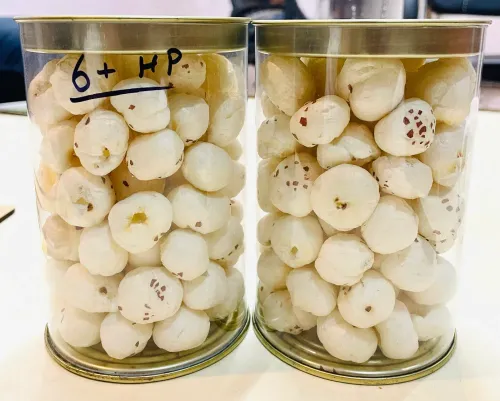
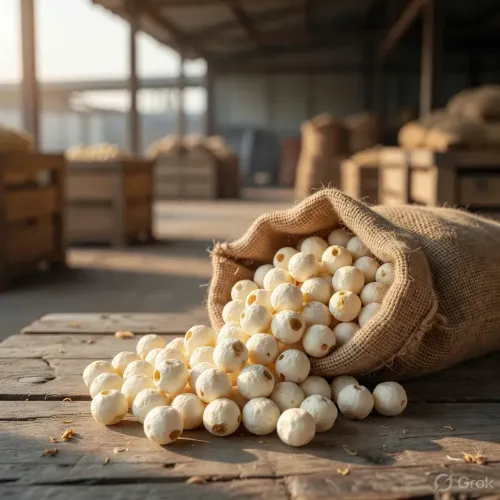
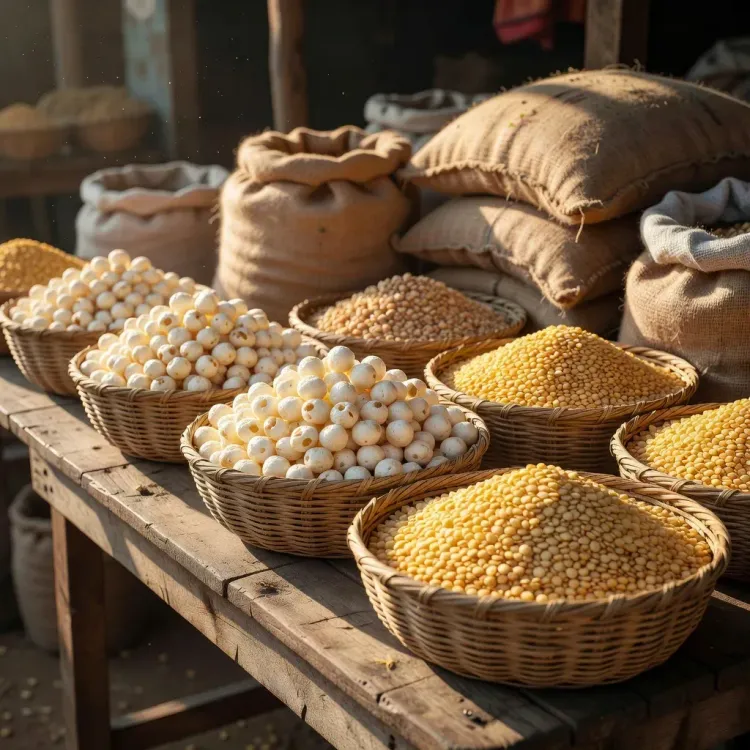
Makhana (fox nut) from Purnia, Bihar is now being exported to Greece , marking an entry into the European health-food market.
Arhar dal (pigeon pea) from Kalaburagi, Karnataka is now reaching the Maldives , deepening India's food-security partnership with the island nation.
Both milestones are framed under the 'Vocal for Local' campaign, launched as part of the Atmanirbhar Bharat package in 2020 .
India's Agricultural Export Policy of 2018 had specifically identified niche products like makhana as having high potential in non-traditional export markets.
The Commerce Ministry's next quarterly agricultural export data will be the key indicator of whether this momentum is sustained at scale.
From the fox-nut farms of Purnia, Bihar to the markets of Greece; from the pulse fields of Kalaburagi, Karnataka to the shores of the Maldives — Indian agriculture is finding new addresses abroad. Union Agriculture Minister Shivraj Singh Chouhan on Sunday, October 25, 2026, shared these vivid export milestones on X, citing remarks made by Prime Minister Narendra Modi in the latest edition of Mann Ki Baat.
Chouhan quoted PM Modi directly: 'Vocal for Local ki bhavna ab hamare utpadon ko duniya ke baazaron tak pahuncha rahi hai' — 'The spirit of Vocal for Local is now carrying our products to the markets of the world.' The two products he spotlighted are not incidental. Makhana, or fox nut, is a niche superfood in high global demand. Arhar, or pigeon pea, is a dietary staple across South Asia and the Indian Ocean region. Both are grown by small and marginal farmers who rarely see the upside of export premiums. The argument being made, simply, is that they now will.
Purnia's Makhana and the European Shelf
Purnia district in Bihar accounts for a dominant share of India's makhana output, a crop cultivated in shallow freshwater ponds and long considered a local delicacy. The product has attracted attention for its high protein content, low-calorie profile, and clean-label appeal — attributes that have driven demand in European health-food markets. The move to position Purnia makhana on Greek shelves is consistent with India's push to register niche agricultural products under Geographical Indication tags and leverage them as premium export commodities.
The Agricultural Export Policy of 2018 explicitly identified makhana as one of the value-added products with untapped potential in non-traditional markets. Getting it into Europe marks a tangible step in that direction.
Kalaburagi's Arhar and the Maldives Connection
Kalaburagi — also known as Gulbarga — is one of Karnataka's driest districts and one of India's most significant arhar-producing belts. Pigeon pea exports have historically flowed to East Africa and parts of South Asia, but the Maldives link signals a sharper focus on India's immediate neighbourhood. For a small island nation with limited arable land, Indian pulses are a food-security lifeline. Securing this supply corridor benefits both the Maldivian consumer and the Kalaburagi farmer.
The bilateral trade relationship between India and the Maldives has grown steadily, with agricultural and food products forming a core pillar. Expanding that to include specific pulse varieties from identified districts deepens the supply chain in a way that is difficult for competitors to replicate.
Mann Ki Baat as a Policy Amplifier
The Mann Ki Baat radio programme, broadcast monthly by PM Modi, has served repeatedly as a platform to highlight grassroots economic wins — a farmer who found a new buyer, a craftsperson who cracked an overseas market. Chouhan's decision to amplify this specific episode underscores how the Agriculture Ministry is aligning its communication with the 'Vocal for Local' narrative that originated with the Atmanirbhar Bharat package in 2020.
The broader strategic logic is diversification: reduce dependence on a handful of large buyers, increase the share of value-added farm goods in India's export basket, and ensure that premium prices reach the farm gate rather than stopping at the trader. Whether the data when it comes from the Commerce Ministry's next quarterly agricultural export report bears out the momentum is the question to watch.
Point of View
'Vocal for Local,' to two concrete, named commodities and two specific export destinations. That specificity is the point: it converts a brand campaign into a verifiable claim. The Agriculture Ministry has been working to align its communication strategy with the Atmanirbhar Bharat narrative since 2020, and amplifying Mann Ki Baat is the most direct channel to do so. The real test, however, is whether these export flows represent durable trade relationships with volume and price benefits reaching the farm gate, or whether they are one-off consignments being elevated into a policy narrative ahead of the next quarterly review.
NationPress
25 Oct 2026
Frequently Asked Questions
What is Vocal for Local and how does it relate to agriculture?
'Vocal for Local' is a government campaign launched under the Atmanirbhar Bharat initiative in 2020, encouraging domestic production and international marketing of Indian goods. In agriculture, it is being used to promote niche Indian farm products — such as makhana and pulses — in global markets.
Why is Purnia famous for makhana?
Purnia district in Bihar is one of India's largest makhana (fox nut) producing areas, where the crop is cultivated in shallow freshwater ponds. Makhana is valued for its high protein and low-calorie profile, giving it strong demand in health-food markets globally.
Why is Kalaburagi significant for arhar dal exports?
Kalaburagi (Gulbarga) in Karnataka is one of India's major arhar (pigeon pea) growing belts. The district's pulse output has export potential in South Asia and the Indian Ocean region, and the Maldives is a key food-security-linked buyer of Indian agricultural produce.
What did PM Modi say about farm exports in Mann Ki Baat?
PM Modi stated in the October 2026 edition of Mann Ki Baat that the spirit of 'Vocal for Local' is now carrying Indian products to world markets, citing makhana reaching Greece and arhar dal reaching the Maldives as examples of new export opportunities for Indian farmers.
What is India's Agricultural Export Policy and what does it aim to do?
India's Agricultural Export Policy, announced in 2018, aims to double farmer incomes by diversifying export markets beyond traditional large buyers and increasing the share of value-added farm goods in India's export basket. It specifically identified niche products like makhana as high-potential exports.