CM Samrat Choudhary: Mithila Makhana Reaches Australia
Synopsis
Bihar Chief Minister Samrat Choudhary announced the first commercial export of 18 MT Mithila Makhana from Darbhanga to Australia on 25 September 2026, citing an expected 18% premium over domestic market rates for farmers and linking the milestone to the Make in India and Atmanirbhar Bharat initiatives.
Key Takeaways
18 metric tonnes of Mithila Makhana from Darbhanga, Bihar have been shipped to Australia in the first formal commercial consignment.
Farmers are expected to earn approximately 18% higher returns compared to prevailing domestic mandi prices through this export channel.
Bihar CM Samrat Choudhary framed the milestone under the #12YearsOfMakeInIndia campaign and the Atmanirbhar Bharat vision.
Mithila Makhana holds a Geographical Indication (GI) tag , giving it a certified premium identity in international markets.
The shipment establishes logistics and buyer linkages that could enable larger future consignments to Australia and beyond.
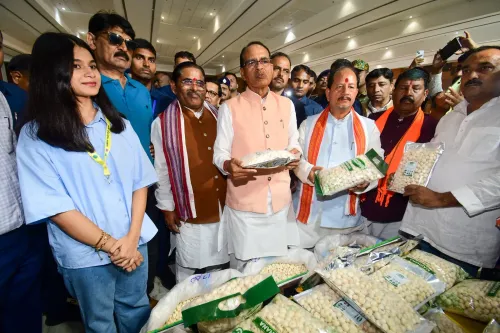
Eighteen metric tonnes of Mithila Makhana have crossed the Indian Ocean — and Bihar Chief Minister Samrat Choudhary wants every farmer in Darbhanga to know it. On Friday, 25 September 2026, CM Choudhary took to X to announce the first commercial shipment of Mithila Makhana from Darbhanga, Bihar to Australia, calling it proof of the growing global acceptance of India's local produce.
In his post, CM Choudhary wrote: 'मेक इन इंडिया की सफलता अब खेतों से वैश्विक बाजार तक पहुंच रही है' — 'The success of Make in India is now reaching from the fields to the global market.' He highlighted that this export shipment is expected to deliver farmers roughly 18% higher returns compared to prevailing domestic market rates — a number that carries real weight for growers whose livelihoods depend on thin margins.
Darbhanga's Makhana Makes Its Commercial Debut Abroad
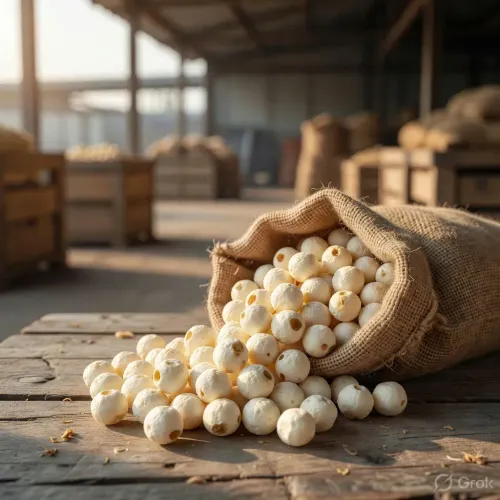
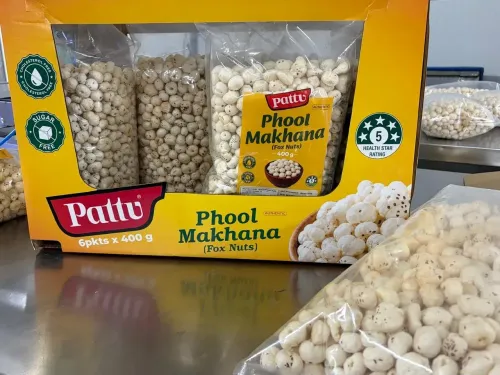
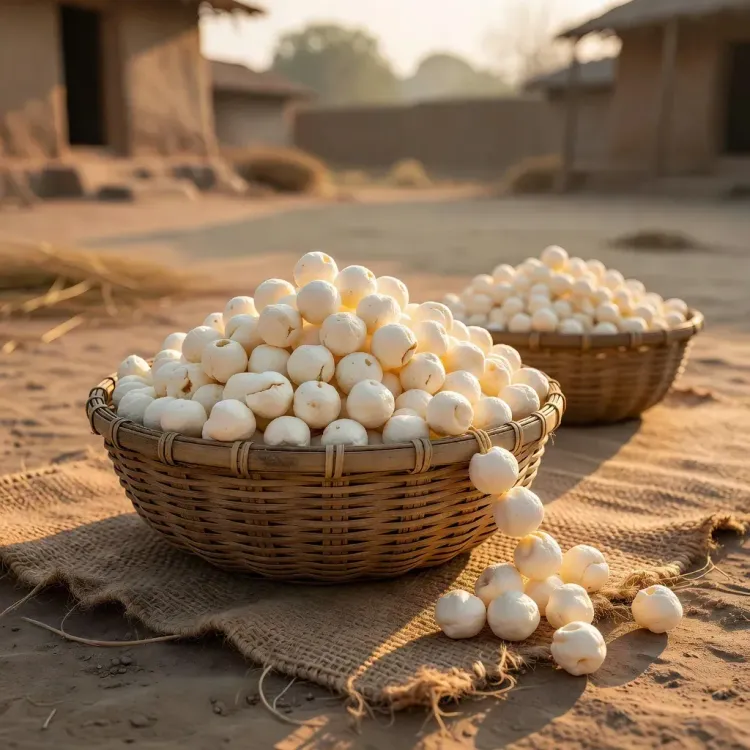
Mithila Makhana — the fox-nut or lotus seed cultivated in the wetlands and ponds of the Mithila region in northern Bihar — is one of India's most distinctive agricultural products. The crop has a GI (Geographical Indication) tag that protects its regional identity and certifies its origin, giving it a premium positioning in export markets. Australia becomes one of the newest international destinations to receive a formal commercial consignment of the product.
The shipment of 18 MT may sound modest in aggregate trade terms, but its significance is structural. A first commercial export establishes logistics chains, regulatory clearances, and buyer relationships that subsequent, larger shipments can scale on. The 18% premium over domestic market rates cited by CM Choudhary points directly at the economics: if sustained, export-linked pricing can meaningfully shift farmer income in a region where Makhana cultivation supports tens of thousands of households.
Atmanirbhar Bharat Meets Farm-Level Economics
CM Choudhary framed the milestone squarely within the #12YearsOfMakeInIndia narrative — marking over a decade since the flagship initiative was launched to boost domestic manufacturing and value addition. His post tied together three policy threads that the ruling dispensation has consistently championed: Make in India, Atmanirbhar Bharat (self-reliant India), and farmer income enhancement.
'From the fields of Mithila to the markets of the world — this is the story of new India's rising capability and the prosperity of its farmers,' he said. The phrasing is deliberate: it positions agricultural exports not as a trade statistic but as a sovereignty statement — local produce earning global respect on its own terms.
What the Export Milestone Means for Bihar's Makhana Belt
Bihar accounts for the overwhelming share of India's Makhana production, with Darbhanga, Madhubani, Sitamarhi and neighbouring Mithila-region districts forming the core cultivation belt. The crop is labour-intensive, traditionally harvested by communities who wade into ponds to collect lotus seeds, then process them through roasting and popping. Value-addition at the farm or cluster level has historically been limited, and intermediary chains have compressed farmer margins.
An export channel that consistently pays a premium above domestic mandi prices would represent a structural improvement in that value chain. The 18% return advantage flagged by CM Choudhary is a benchmark the market will now be expected to sustain — and one that other Makhana-growing districts will be watching closely.
A single shipment to Australia does not guarantee a market. But it opens a door — and in Bihar's Mithila belt, that door has never been opened quite this wide before.
Point of View
Where Makhana cultivation is concentrated among economically vulnerable farming communities, a sustained export premium of 18% over domestic rates could meaningfully shift household incomes — but only if the channel scales beyond a single inaugural shipment. CM Choudhary's framing of the event within the Make in India anniversary is a calculated political signal: it ties state-level agricultural progress to the Centre's decade-old industrial branding, reinforcing BJP's narrative that flagship national programmes produce tangible farm-level outcomes. The real test is whether Bihar's post-harvest infrastructure and export logistics can absorb demand at commercial volume.
NationPress
25 Sept 2026
Frequently Asked Questions
What is Mithila Makhana and why is it special?
Mithila Makhana is a fox-nut (lotus seed) cultivated in the wetlands of Bihar's Mithila region. It holds a Geographical Indication (GI) tag, certifying its origin and giving it a premium positioning in domestic and global markets.
How much Mithila Makhana was exported to Australia?
The first commercial shipment comprised 18 metric tonnes of Mithila Makhana, dispatched from Darbhanga, Bihar, to Australia.
How much more will Bihar farmers earn from this Makhana export?
Bihar Chief Minister Samrat Choudhary stated that farmers are expected to receive approximately 18% higher returns through this export channel compared to prevailing domestic market rates.
What is the Make in India connection to Makhana exports?
CM Choudhary linked the export milestone to the Make in India initiative's 12th anniversary, positioning agricultural exports as part of the broader Atmanirbhar Bharat (self-reliant India) policy framework that emphasises local products reaching global markets.
Which districts in Bihar grow Mithila Makhana?
The primary cultivation belt includes Darbhanga, Madhubani, and Sitamarhi districts in northern Bihar, which together account for the largest share of India's Makhana production.