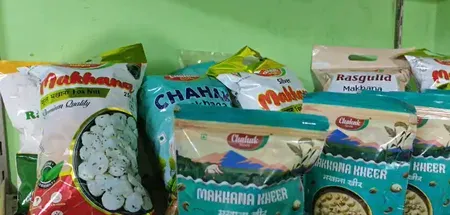
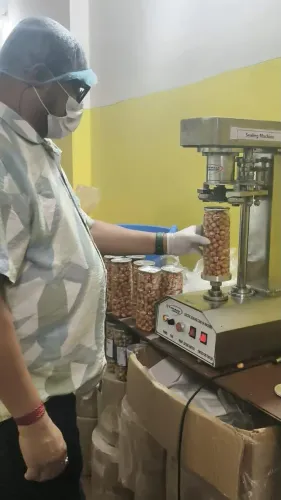
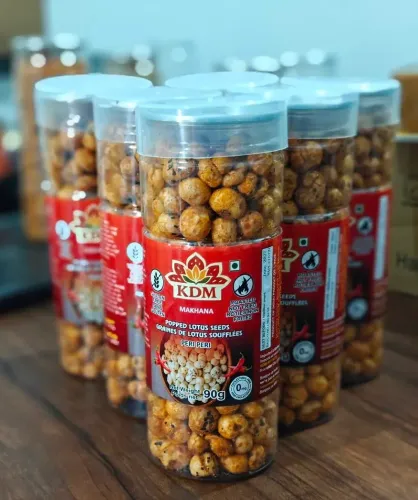
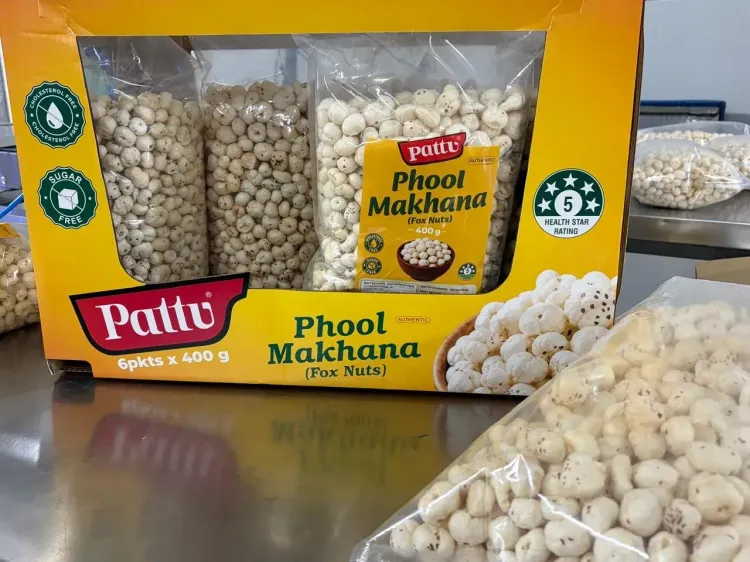
Mithila Makhana exported to Australia for 1st time, 18 metric tonnes shipped
Synopsis
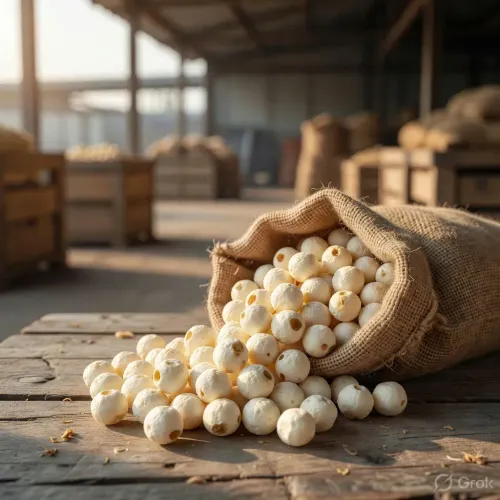
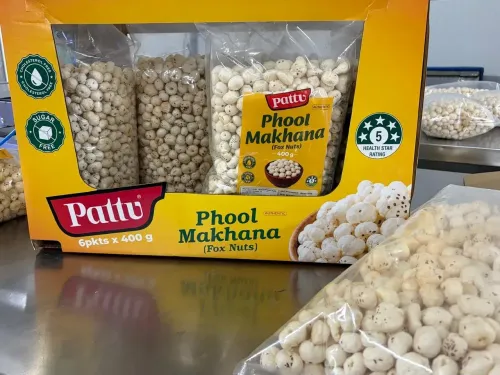
Bihar's GI-tagged Mithila Makhana has landed in Australia for the first time — 18 metric tonnes shipped via sea from Darbhanga, with farmers earning 18% above market price. Coming just weeks after a landmark Canada shipment, this signals a deliberate, APEDA-backed push to make Bihar's fox nuts a recurring global export commodity.
Key Takeaways
18 metric tonnes of GI-tagged Mithila Makhana exported from Bihar to Australia via sea route for the first time.
Consignment procured directly from farmers in Darbhanga , delivering nearly 18% higher returns than market price.
Shipment facilitated by APEDA and announced by Commerce Minister Piyush Goyal on 8 August .
Last month, 7 metric tonnes of flavoured Makhana were exported from Darbhanga to Canada via sea for the first time, with farmers earning over 50% more than earlier rates.
The GI tag and sea-route logistics are central to making large-volume Makhana exports commercially viable.
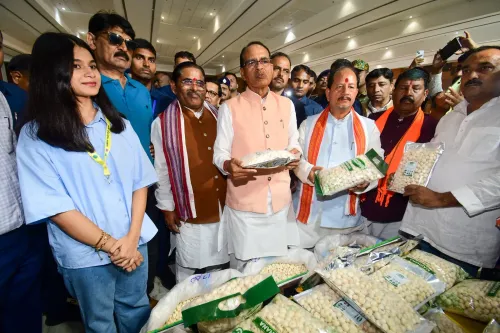
Commerce and Industry Minister Piyush Goyal on Saturday, 8 August announced that 18 metric tonnes of GI-tagged Mithila Makhana has been exported from Bihar to Australia via sea route for the first time. The consignment, procured directly from farmers in Darbhanga, has delivered nearly 18 per cent higher returns compared to prevailing market prices, according to the minister.
A Milestone for Bihar's Farmers
The shipment was facilitated with support from the Agricultural and Processed Food Products Export Development Authority (APEDA). Goyal shared the development in a post on social media platform X, calling it 'another major milestone in the global market' for India's GI-tagged produce. The direct farm procurement model is being credited for the improved earnings farmers received on this consignment.
Building on the Canada Precedent
This export to Australia follows a similar breakthrough last month, when India dispatched its first sea-based shipment of Bihar Makhana to Canada — a consignment of seven metric tonnes of flavoured Makhana, also routed from Darbhanga via sea for the first time. Goyal had noted at the time that farmers linked to that initiative were receiving prices more than 50 per cent higher than earlier rates. Both shipments underscore a deliberate push to move Bihar's premium fox nuts beyond domestic markets through value-added, sea-freight logistics.
The GI Tag Advantage
Mithila Makhana received its Geographical Indication (GI) tag, which certifies its origin and quality, positioning it as a premium product in international markets. This certification has been central to APEDA's export strategy, enabling Indian exporters to command better shelf placement and pricing in markets like Australia and Canada where demand for healthy, plant-based snacks is growing. Notably, fox nuts are gaining traction globally in the ready-to-eat and healthy snack segment.
What This Means for Agricultural Exports
The successful sea route — as opposed to costlier air freight — is significant because it makes recurring, large-volume exports commercially viable for farmers and exporters alike. Industry observers expect the development to encourage further investment in Makhana processing and value addition in Bihar. The export push is also aligned with the Centre's broader goal of strengthening India's presence in global agricultural trade and boosting farm incomes at the source.
With two landmark sea shipments to major markets completed within consecutive months, the momentum behind Bihar's Makhana exports is expected to attract new buyers and potentially open additional corridors in the coming quarters.
Point of View
Then Australia — suggest APEDA has quietly shifted strategy from one-off air-freight showcases to scalable, sea-route supply chains for Bihar's Makhana. The 18% and 50% farm-gate premiums are striking figures, but the real test is whether these gains persist once volumes scale and spot-market competition intensifies. Bihar's Makhana sector has long suffered from fragmented processing and weak cold-chain infrastructure; without investment there, the export momentum risks remaining event-driven rather than structural. The GI tag is a powerful differentiator, but it needs consistent quality enforcement at origin to hold its premium in markets as demanding as Australia.
NationPress
22 Sept 2026
Frequently Asked Questions
What is GI-tagged Mithila Makhana and why does it matter for exports?
Mithila Makhana is fox nuts (water lily seeds) grown in the Mithila region of Bihar, certified with a Geographical Indication (GI) tag that authenticates its origin and quality. The GI certification allows Indian exporters to position it as a premium product in international markets, commanding better pricing in the growing global healthy-snack segment.
How much Mithila Makhana was exported to Australia and who facilitated it?
18 metric tonnes of GI-tagged Mithila Makhana were exported from Bihar to Australia via sea route for the first time, as announced on 8 August. The shipment was facilitated by the Agricultural and Processed Food Products Export Development Authority (APEDA) and procured directly from farmers in Darbhanga.
What profit did Bihar farmers earn from this export?
Farmers whose produce was part of the Australia consignment received nearly 18 per cent more than the prevailing market price, according to Commerce Minister Piyush Goyal. In the earlier Canada shipment, farmers reportedly earned prices more than 50 per cent higher than earlier rates.
Has Bihar Makhana been exported via sea route before?
Prior to these shipments, sea-route exports of Bihar Makhana were not reported. Last month, 7 metric tonnes of flavoured Makhana were sent from Darbhanga to Canada via sea for the first time. The Australia shipment of 18 metric tonnes is the second such sea-route milestone in consecutive months.
What is the broader significance of these Makhana exports?
The sea-route exports make large-volume, cost-effective trade commercially viable, unlike costlier air freight. They are expected to encourage investment in Makhana processing and value addition in Bihar, boost farm incomes, and strengthen India's foothold in the global ready-to-eat and healthy snack market.