Gujarat Dy CM Harsh Sanghavi urges citizens to adopt Vikram Samvat calendar
Synopsis
Gujarat Deputy CM Harsh Sanghavi used a Diwali gathering in Surat to make a pointed cultural pitch: citizens should adopt the Vikram Samvat calendar in everyday use, not just on festive occasions. The call, made at the start of Vikram Samvat 2083, signals an official push to mainstream traditional Indian timekeeping alongside the Gregorian calendar.
Key Takeaways
Gujarat Deputy CM Harsh Sanghavi urged citizens to adopt the Vikram Samvat calendar in daily activities and written communications on 9 November 2026 .
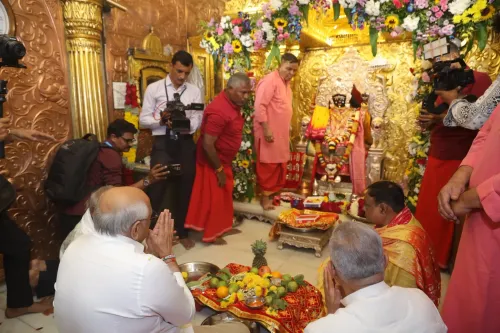
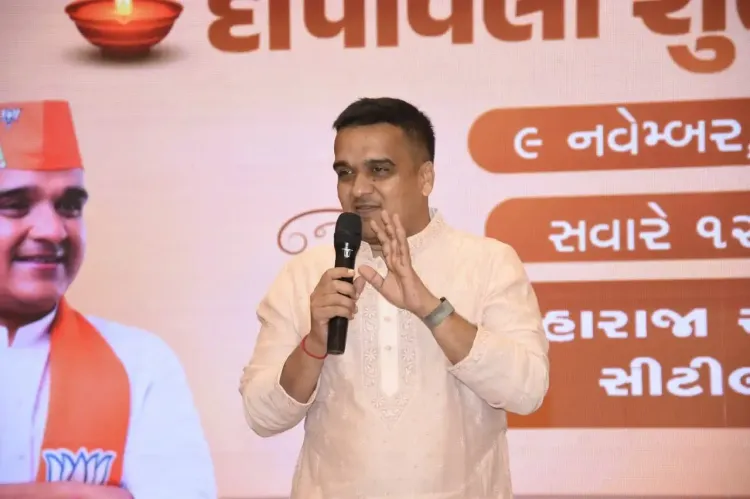
The appeal was made at a Diwali and New Year 'Sneh Milan Samaroh' at Maharaja Agrasen Bhawan, Surat , marking Vikram Samvat 2083 .
Sanghavi described India's Panchang-based calendar as rooted in astronomical calculations, seasonal cycles, and lunar dates.
He acknowledged frontline workers — including police , GSRTC staff, sanitation workers , and fire brigade personnel — for serving during the festive season.
Surat District Collector Tejas Parmar , Municipal Commissioner Rajkumar Beniwal , and Police Commissioner Wabang Zamir attended and pledged to advance the city's progress.
Gujarat Deputy Chief Minister Harsh Sanghavi on Monday, 9 November 2026, called upon citizens to incorporate the Vikram Samvat calendar into their daily routines and written communications, describing the preservation of this traditional system as a collective duty to safeguard India's scientific and cultural legacy for future generations.
Vikram Samvat 2083: The Call to Action
Sanghavi was speaking at a Diwali and New Year 'Sneh Milan Samaroh' held at Maharaja Agrasen Bhawan in Surat, organised to mark the commencement of Vikram Samvat 2083. He emphasised that India's traditional Panchang-based calendar is grounded in astronomical calculations, seasonal cycles, and lunar dates — a system he described as both scientifically rigorous and culturally significant.
The Deputy Chief Minister urged attendees to set aside past grievances as the new year begins, foster fresh bonds, and collaborate for the welfare and development of Gujarat.
Honouring Frontline Workers During Festivals
A notable moment of the event came when Sanghavi acknowledged the contributions of frontline public servants who remain on duty through the festive season. He specifically recognised police personnel, municipal sanitation workers, drivers and conductors of the Gujarat State Road Transport Corporation (GSRTC), and fire brigade staff — all of whom, he noted, often stay away from their families during festivals to ensure public safety and convenience.
He extended Diwali and New Year greetings to the people of Gujarat and government employees, whom he described as 'dedicated public servants', adding that their commitment to maintaining essential services plays an important role in the state's development.
Gujarat's Economic Progress and Civic Standards
Referring to Gujarat's economic trajectory, Sanghavi highlighted that the state is achieving new developmental milestones alongside steady growth in Goods and Services Tax (GST) revenue. He also called for police stations and government residential quarters for police personnel to be maintained as the cleanest and best-kept facilities in the state, stressing the need to make them exemplary institutions.
Senior Officials Pledge City's Progress
The event was attended by Surat District Collector Tejas Parmar, Municipal Commissioner Rajkumar Beniwal, and Police Commissioner Wabang Zamir, all of whom conveyed New Year greetings and reaffirmed their commitment to working collectively to advance the city and district. Following the programme, Sanghavi interacted with media representatives and party workers, exchanging New Year wishes.
The gathering underscores a broader cultural assertion by the Gujarat government around traditional Indian timekeeping systems, as the Vikram Samvat calendar gains renewed official emphasis alongside Gregorian civil usage.
Point of View
Where traditional Indian calendars, nomenclature, and symbols are being pushed into official and civic life. The framing of Vikram Samvat as 'scientific' — grounded in astronomy and lunar cycles — is a deliberate counter to the perception that traditional systems are merely religious. What is less clear is whether this remains symbolic advocacy or will translate into formal policy requiring the calendar's use in official documents. The latter would have practical and legal implications worth watching.
NationPress
9 Nov 2026
Frequently Asked Questions
What is the Vikram Samvat calendar?
The Vikram Samvat is a traditional Hindu lunisolar calendar, believed to have been initiated by Emperor Vikramaditya. It is based on astronomical calculations, lunar months, and seasonal cycles, and runs approximately 56 to 57 years ahead of the Gregorian calendar — Vikram Samvat 2083 began in November 2026.
Why did Gujarat Deputy CM Harsh Sanghavi ask citizens to adopt the Vikram Samvat calendar?
Sanghavi described adopting the Vikram Samvat calendar as a collective responsibility to preserve India's scientific and cultural heritage for future generations. He made the appeal at a Diwali event in Surat marking the start of Vikram Samvat 2083, framing the traditional Panchang system as astronomically rigorous.
Where and when did Harsh Sanghavi make this appeal?
He made the appeal on 9 November 2026 at a Diwali and New Year 'Sneh Milan Samaroh' held at Maharaja Agrasen Bhawan in Surat, Gujarat, to mark the beginning of Vikram Samvat 2083.
Who else attended the event in Surat?
Surat District Collector Tejas Parmar, Municipal Commissioner Rajkumar Beniwal, and Police Commissioner Wabang Zamir attended the gathering. All three extended New Year greetings and reaffirmed their commitment to working together for the city's development.
What else did Sanghavi discuss at the event?
Beyond the calendar appeal, Sanghavi highlighted Gujarat's GST revenue growth and economic milestones, acknowledged frontline workers serving during festivals, and called for police stations and government residential quarters to be maintained as model facilities in the state.