CM Bhajanlal Sharma Outlines Viksit Rajasthan 2047 Plan at Youth Dialogue
Synopsis
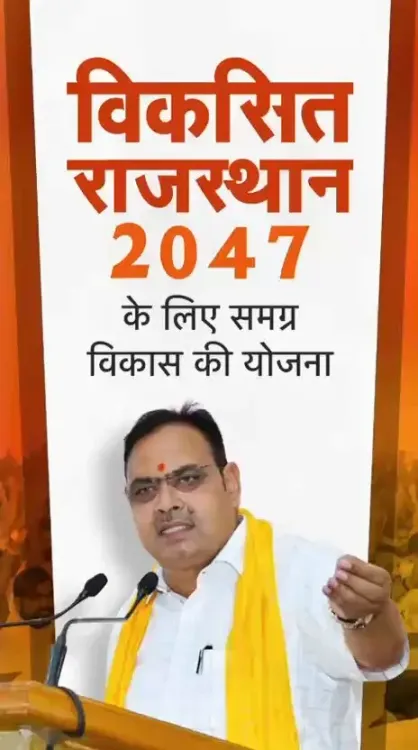
Chief Minister Bhajanlal Sharma addressed the Yuvaon Se Samvad programme in Jaipur on 31 May 2026, detailing how the Viksit Rajasthan 2047 vision will drive a comprehensive action plan on water, electricity, health, and local product promotion through gram panchayats and urban local bodies.
Key Takeaways
CM Bhajanlal Sharma addressed the Yuvaon Se Samvad youth dialogue programme in Jaipur on 31 May 2026 .
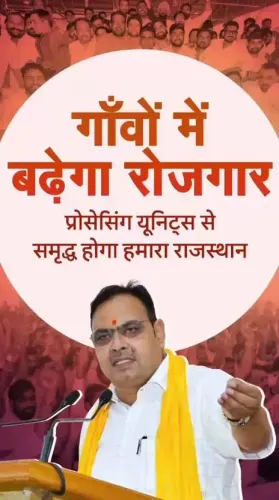
The state government is working to promote local products and extend development to every village in Rajasthan .
A comprehensive action plan is being prepared under the Viksit Rajasthan 2047 vision to strengthen water, electricity, environment, health, and basic amenities.
Delivery will be channelled through gram vikas institutions and urban local bodies , covering both rural and urban populations.
The vision aligns with the national Viksit Bharat@2047 framework, with Rajasthan adapting it for local implementation.
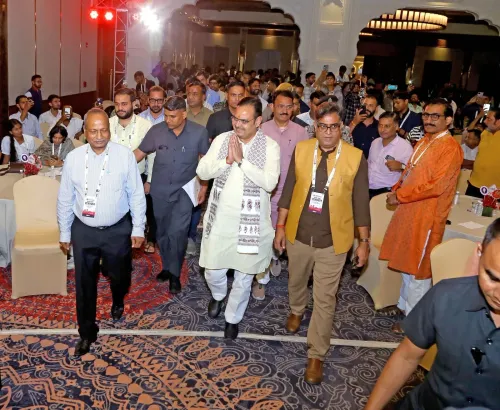
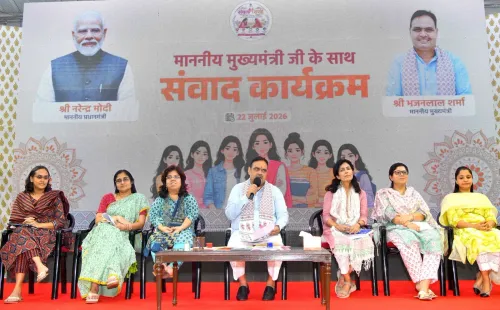
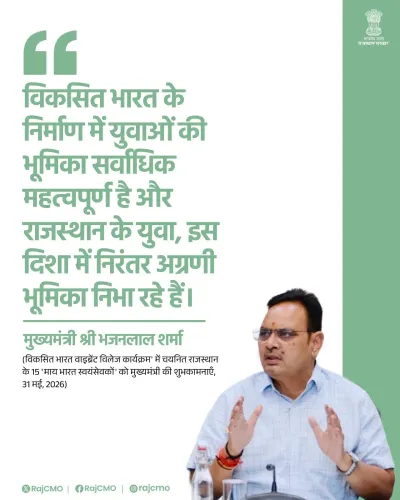
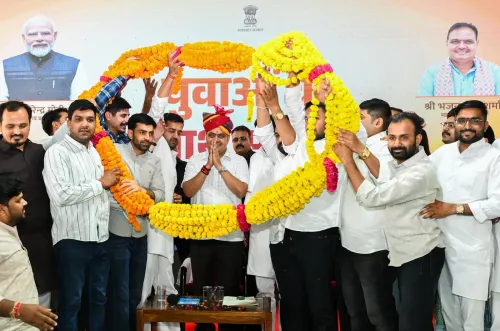
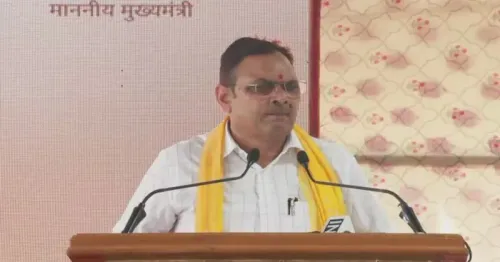
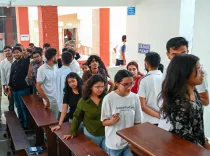
The Chief Minister's Office of Rajasthan announced on Sunday, 31 May 2026 that Chief Minister Bhajanlal Sharma addressed the Yuvaon Se Samvad (Youth Dialogue) programme held in Jaipur, outlining the state government's commitment to promoting local products and extending development to every village in the state.
Context
Speaking at the event, CM Bhajanlal Sharma stated that the state government is nirantar karya kar rahi hai (continuously working) to promote local products and bring development to every village. The Yuvaon Se Samvad programme is designed as a direct engagement platform between the Chief Minister and the youth of Rajasthan, reflecting the government's stated focus on inclusive governance and aspirational youth participation.
The Chief Minister's remarks carried the hashtag #AapnoAgrani Rajasthan — meaning 'Our Forward Rajasthan' — signalling the government's branding of the state's developmental ambition.
Policy Backdrop
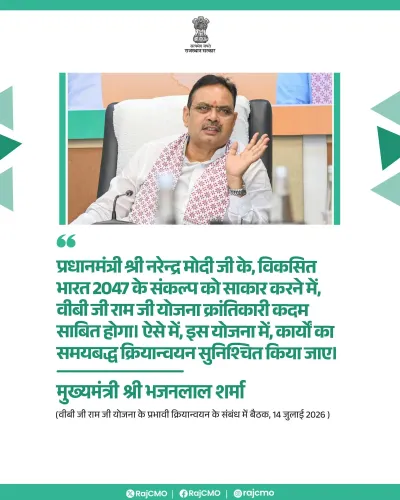
At the heart of CM Sharma's address is the Viksit Rajasthan 2047 vision, a state-level framework aligned with the national Viksit Bharat@2047 initiative. The national framework, anchored around India's centenary of independence, sets targets for infrastructure, sustainability, and social development, which states are now translating into localised action plans.
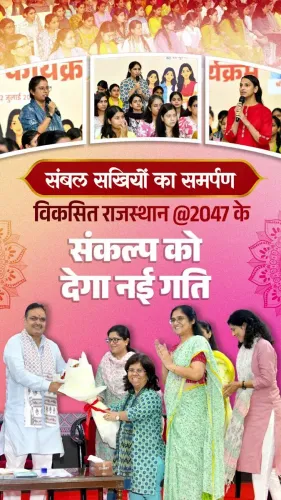
Under the Viksit Rajasthan 2047 vision, a comprehensive action plan is being prepared through gram vikas (village development) institutions and urban local bodies to strengthen water supply, electricity, environment, health, and basic amenities. This dual-track approach — simultaneously targeting rural panchayats and urban municipalities — reflects a broader national pattern of converging rural and urban governance for last-mile delivery.
Indian states have increasingly issued their own 2047-aligned vision documents that mirror central priorities on infrastructure, water security, renewable energy, health, and rural-urban basic services, with delivery channelled through panchayati raj institutions and municipal bodies.
Stakeholders and Impact
The most direct beneficiaries of the action plan, as outlined by CM Sharma, are Rajasthan's rural populations, who stand to gain improved access to water, power, and health infrastructure. Urban residents served by local bodies are equally targeted, with the plan aiming for equitable service delivery across the state's diverse geography.
The emphasis on promoting local products carries economic implications for artisans, small producers, and rural entrepreneurs — a constituency that aligns with both the state's traditional handicraft heritage and the national Vocal for Local push. The youth audience at the Yuvaon Se Samvad event signals that the government views young citizens as both stakeholders and agents of this developmental vision.
What's Next
The immediate focus will be on the rollout of the comprehensive action plan through gram panchayats and urban local bodies across Rajasthan. Observers will watch for specific budget allocations and project milestones in the water, power, and health sectors over the coming years.
As Rajasthan moves toward translating the Viksit Rajasthan 2047 vision into on-ground projects, the credibility of the framework will ultimately depend on measurable progress in basic service delivery at the village level — a benchmark that will define the state government's developmental record ahead of the next electoral cycle.
Point of View
Water, power, health — within the national Viksit Bharat@2047 framework, the BJP government in Rajasthan is aligning state branding with central political messaging, a strategy that has become standard across BJP-governed states. The emphasis on youth as an audience is also telling: with a large share of Rajasthan's electorate under 35, governing parties are increasingly framing infrastructure delivery as a youth dividend. How swiftly the action plan moves from vision document to budget line items will determine whether this narrative holds traction.
NationPress
21 Sept 2026
Frequently Asked Questions
What is Viksit Rajasthan 2047?
Viksit Rajasthan 2047 is the Rajasthan state government's long-term vision document aligned with India's national Viksit Bharat@2047 framework, targeting developed-state status by 2047 through improvements in infrastructure, water, electricity, health, and rural-urban basic services.
What did CM Bhajanlal Sharma say at Yuvaon Se Samvad?
CM Bhajanlal Sharma stated that the state government is continuously working to promote local products and bring development to every village, and that a comprehensive action plan is being prepared under the Viksit Rajasthan 2047 vision through gram vikas institutions and urban local bodies.
What is the Yuvaon Se Samvad programme in Rajasthan?
Yuvaon Se Samvad, meaning 'Dialogue with Youth', is a direct engagement programme where the Chief Minister of Rajasthan interacts with young citizens to discuss governance priorities and development plans.
How will the Viksit Rajasthan 2047 plan be implemented?
The plan is to be implemented through gram panchayats and urban local bodies, with a focus on strengthening water supply, electricity, environment, health, and basic amenities across both rural and urban areas of Rajasthan.
Who is Bhajanlal Sharma?
Bhajanlal Sharma is a BJP leader who has been serving as the Chief Minister of Rajasthan since December 2023, following the BJP's victory in the Rajasthan state assembly elections.