Bihar's Makhana Finds Its Place in Global Markets

Synopsis
Bihar's Chief Minister's Office has hailed makhana's growing presence in international markets, crediting the state's farmers and entrepreneurs. Backed by a 2022 GI tag for Mithila Makhana, the crop is central to Bihar's strategy of moving regional produce into high-value global trade.
Key Takeaways
The Chief Minister's Office of Bihar posted on 25 October 2026 highlighting makhana's growing recognition in international markets.
Mithila Makhana received a Geographical Indication (GI) tag in 2022 , granting it legal protection and premium marketing credentials globally.
Production is concentrated in Darbhanga and Madhubani districts of the Mithila belt in north Bihar.
Bihar's strategy pairs the GI advantage with processing infrastructure investment and branding to retain value within the state's economy.
The CMO specifically credited Bihar's farmers and local entrepreneurs as the driving force behind the crop's international ascent.
Makhana's positioning as a health and wellness superfood aligns with growing global demand in premium export markets.
A humble water-lily seed harvested from the wetlands of north Bihar is now making its mark on international shelves — and the Chief Minister's Office of Bihar marked the moment on Sunday, 25 October 2026, with a pointed acknowledgement of the farmers and entrepreneurs driving that transformation.
Posting in Hindi, the office declared: 'Bihar ka makhana aaj antarrashtriya baazaron tak apni pahchaan bana raha hai' — 'Bihar's makhana is today carving out its identity in international markets.' The statement framed the development as a meaningful recognition of the hard work of Bihar's laborious farmers, entrepreneurs, and the potential of local produce.
From Darbhanga's Wetlands to the World
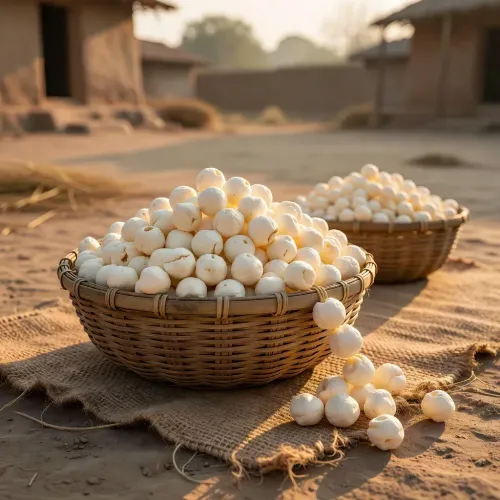
The story of makhana — the popped seed of the fox-nut plant (Euryale ferox) — is almost entirely a Bihar story. Districts such as Darbhanga and Madhubani in the Mithila belt account for the overwhelming bulk of India's production, with farming communities that have cultivated the crop in shallow ponds and wetlands for generations. The work is labour-intensive and seasonal, and for decades the bulk of the value leaked away at the processing and trading end, leaving growers with thin margins.The GI Tag That Changed the Calculus
The single most consequential policy lever in recent years was the award of a Geographical Indication (GI) tag to Mithila Makhana in 2022. A GI tag does two things at once: it grants legal protection against imitation products using the name, and it hands producers a marketing credential that premium international buyers actively seek out. Think Darjeeling tea or Basmati rice — the GI framework places Mithila Makhana in that class of authenticated, origin-linked products. Bihar has paired the GI advantage with investments in processing infrastructure and branding, part of a wider national push to move agricultural exports beyond commodity staples into higher-value, identity-linked produce. The makhana push fits neatly into that playbook — a crop already prized domestically as a health food, now being positioned for the global wellness and superfood market.What the Farmers and Entrepreneurs Stand to Gain
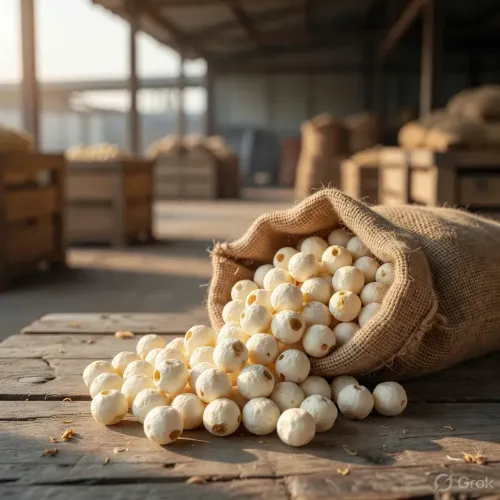
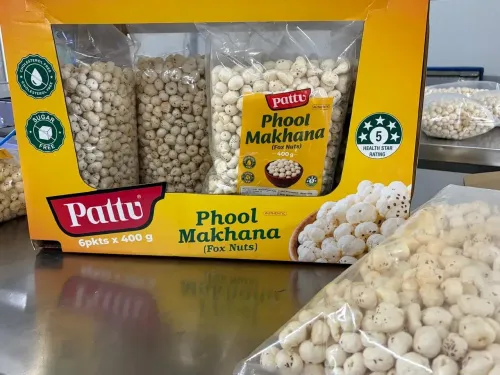
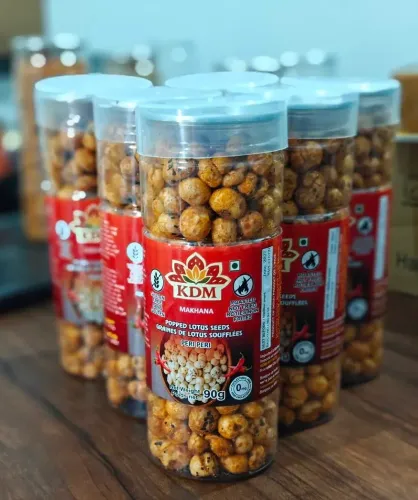
The CMO's emphasis on farmers and local entrepreneurs is significant. Export-led value addition, when structured correctly, compresses the gap between farm-gate prices and retail premiums. Entrepreneurs building processing units and branded packaging close to source communities can keep that value within Bihar's economy rather than letting it migrate to distant aggregators. That is the theory — and it is one Bihar's administration has been publicly committed to testing. Exact export volumes and specific buyer agreements have not been detailed in the post, and updated trade statistics from state or central agencies are still awaited. But the direction of travel is clear: a crop once confined to regional kitchens is now a calling card for Bihar's agricultural ambitions on a global stage.Point of View
But the real test is whether farm-gate prices for growers in Darbhanga and Madhubani actually rise in step with export premiums. If they do, makhana becomes a replicable model for other Bihar crops; if the value stays with intermediaries, the optics improve but the economics for farmers do not.
NationPress
25 Oct 2026
Frequently Asked Questions
What is Mithila Makhana and why is it special?
Mithila Makhana is the popped seed of the fox-nut plant grown in the wetland districts of Bihar's Mithila region, particularly Darbhanga and Madhubani. It received a Geographical Indication tag in 2022, certifying its unique origin and quality, and is prized as a high-protein, low-calorie health food.
When did Bihar's makhana get its GI tag?
Mithila Makhana was awarded a Geographical Indication tag in 2022 , giving it legal protection from imitation and a marketing credential recognised by premium international buyers.
Which districts in Bihar produce the most makhana?
The bulk of India's makhana production comes from Darbhanga and Madhubani districts in the Mithila belt of north Bihar, where farming communities cultivate the crop in shallow ponds and wetlands.
Why is makhana gaining popularity in international markets?
Makhana is increasingly sought after globally as a superfood in the health and wellness segment. Its GI-tagged origin story, combined with Bihar's investment in processing and branding, is helping it compete in premium international markets.
What is the Bihar government doing to support makhana exports?
Bihar has backed makhana exports through the GI certification process, investment in local processing infrastructure, and branding initiatives aimed at retaining value within the state's economy rather than losing it to outside aggregators.