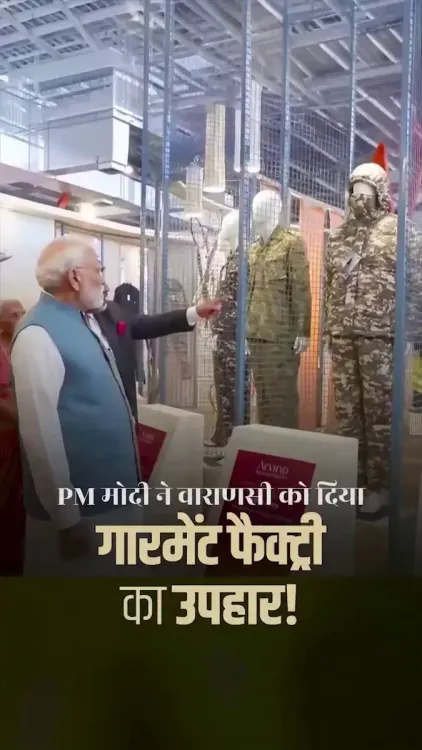
PM Modi Inaugurates Arvind Limited Garment Unit in Varanasi
Synopsis
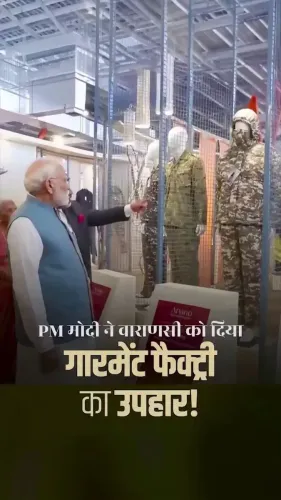
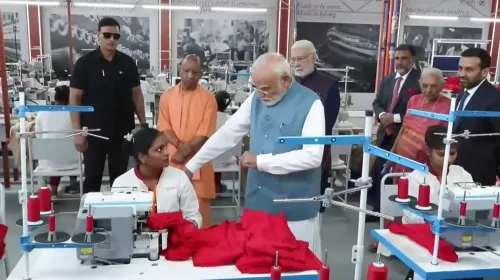
Prime Minister Narendra Modi inaugurated Arvind Limited's new apparel manufacturing unit in Varanasi on 25 October 2026. Union Textiles Minister Giriraj Singh said the facility will strengthen India's textile sector and create employment opportunities for women and youth, opening new pathways for women's self-reliance.
Key Takeaways
PM Narendra Modi inaugurated Arvind Limited 's new garment manufacturing unit in Varanasi on 25 October 2026 .
Union Textiles Minister Giriraj Singh said the facility will create employment for women and youth and strengthen the textile and garment sector.
Arvind Limited is among India's largest integrated textile and apparel manufacturers, with operations in denim, fabric, and branded garments.
Varanasi has been positioned as an emerging apparel hub through central government schemes including the PLI scheme for textiles (2021) and the Scheme for Integrated Textile Parks (2005) .
The minister specifically highlighted 'new pathways for women to become self-reliant' as a key outcome of the unit.
Exact employment and investment figures for the new unit have not yet been formally disclosed.
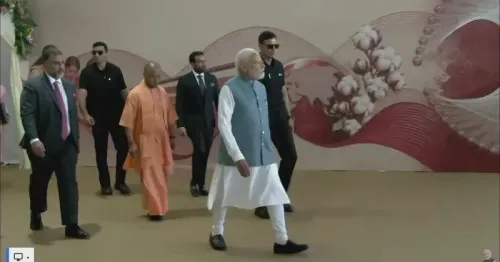
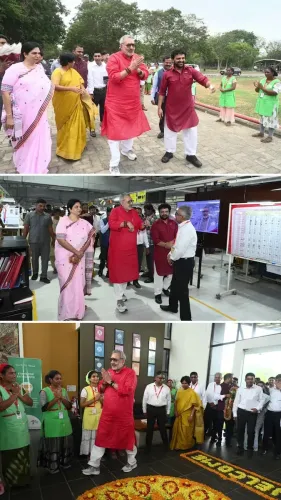
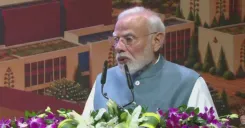
A new garment manufacturing facility just took root in the heart of Varanasi — and Union Textiles Minister Giriraj Singh says it signals far more than a factory opening. Prime Minister Narendra Modi inaugurated Arvind Limited's new apparel manufacturing unit in Varanasi on Sunday, 25 October 2026, an event the minister says will generate fresh employment for women and youth while accelerating local development in India's textile heartland.
Posting on X, Singh wrote: 'माननीय प्रधानमंत्री श्री @narendramodi जी द्वारा वाराणसी में अरविंद लिमिटेड की नई परिधान निर्माण इकाई का उद्घाटन टेक्सटाइल और गारमेंट सेक्टर को मजबूती देने के साथ महिलाओं और युवाओं के लिए रोजगार के नए अवसर सृजित करेगा।' — 'The inauguration of Arvind Limited's new garment manufacturing unit in Varanasi by PM Modi will strengthen the textile and garment sector while creating new employment opportunities for women and youth.' He added that it would open 'new pathways for women to become self-reliant.'
Arvind Limited plants a flag in Varanasi
Arvind Limited is one of India's largest integrated textile and apparel manufacturers, known for its denim, fabric, and branded garment operations. Its decision to establish a unit in Varanasi — the Prime Minister's own Lok Sabha constituency — places a major organised-sector player inside a city the central government has steadily positioned as an emerging apparel hub. The convergence of handloom, powerloom, and garment schemes in the region has been deliberate, and a player of Arvind's scale adds formal manufacturing weight to that ambition.
Varanasi's quiet transformation into a garment corridor
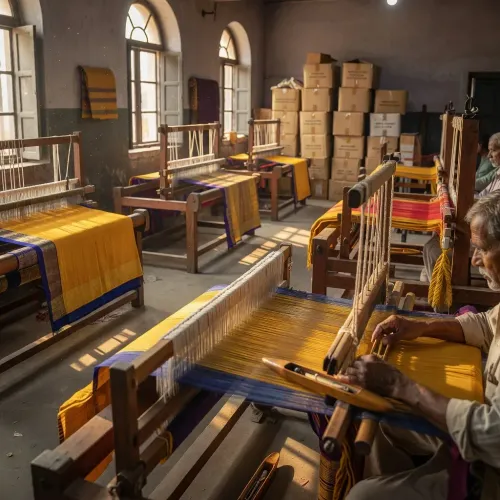
Varanasi is synonymous globally with the Banarasi silk weave, but central policy has been layering organised garment manufacturing on top of that heritage for years. The Production Linked Incentive (PLI) scheme for textiles and apparel, notified in 2021, was designed precisely to pull investment into garment manufacturing outside legacy clusters like Tirupur and create formal jobs. The older Scheme for Integrated Textile Parks, running since 2005, built the common infrastructure that makes such expansions viable. The new Arvind unit is a downstream dividend of that two-decade policy stack.
Women's employment at the centre of the pitch
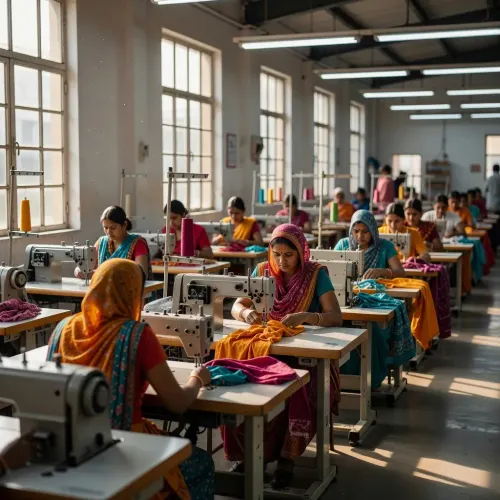
The minister's emphasis on women's economic empowerment is not incidental — it tracks a consistent line in textile ministry messaging. Garment manufacturing in India's organised sector employs a significantly female workforce, and ministerial statements have repeatedly framed sector growth as a vehicle for women's financial independence. Singh's specific language — 'new pathways for women to become self-reliant' — mirrors that larger narrative. What the actual headcount or investment figure at the new unit looks like will be the measure of that claim, and those numbers are yet to be formally released.
For a Prime Minister who has treated Varanasi as both a political base and a showcase for development policy, a major apparel manufacturer opening its doors there carries symbolic as much as economic weight. The city's textile story is being rewritten, one factory at a time.
Frequently Asked Questions
What did PM Modi inaugurate in Varanasi on 25 October 2026?
PM Modi inaugurated a new apparel manufacturing unit of Arvind Limited, one of India's largest textile and garment companies, in Varanasi, Uttar Pradesh.
What is Arvind Limited and why is it significant?
Arvind Limited is a major Indian textile and apparel manufacturer with operations in denim, fabric, and branded garments. Its entry into Varanasi as an organised-sector player adds formal manufacturing scale to the city's existing handloom and powerloom ecosystem.
How will the Varanasi garment unit help women?
Union Textiles Minister Giriraj Singh stated the unit will create new employment opportunities for women and open pathways to financial self-reliance, reflecting the garment sector's traditionally high female workforce participation.
What government schemes support textile manufacturing in Varanasi?
The Production Linked Incentive scheme for textiles and apparel, notified in 2021, and the Scheme for Integrated Textile Parks, operational since 2005, together provide incentives and infrastructure that have supported the expansion of organised garment manufacturing in cities like Varanasi.
Why is Varanasi being developed as a garment manufacturing hub?
The central government has consistently promoted Varanasi as an emerging apparel hub by converging handloom, powerloom, and garment schemes in the city, leveraging its textile heritage while adding organised-sector employment through policy incentives.