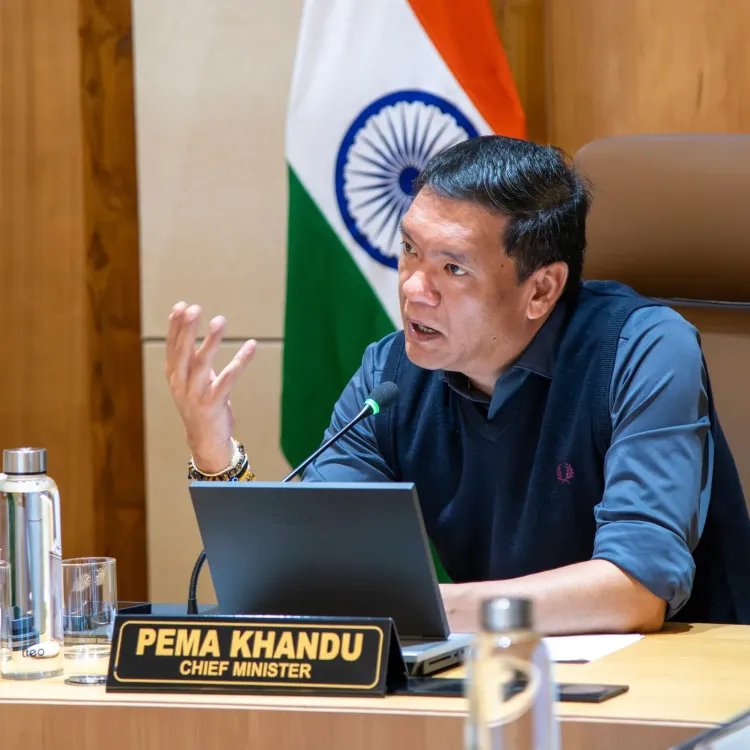
CM Pema Khandu meets AITF to clear air on Siang dam project
Synopsis
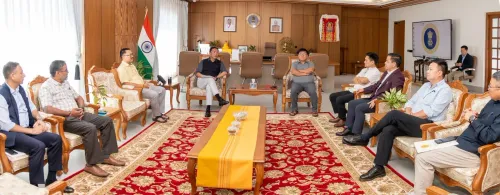
CM Pema Khandu convened a meeting with the Arunachal Indigenous Tribes Forum and CBOs on 25 October 2026 to address misinformation about the Siang Upper Multipurpose Project, calling for transparency and dialogue with communities in the Siang valley.
Key Takeaways
Pema Khandu met the Arunachal Indigenous Tribes Forum (AITF) and Community-Based Organisations (CBOs) on 25 October 2026 over the Siang Upper Multipurpose Project .
The CM cited misinformation and misconceptions as the driver of public apprehension about the project.
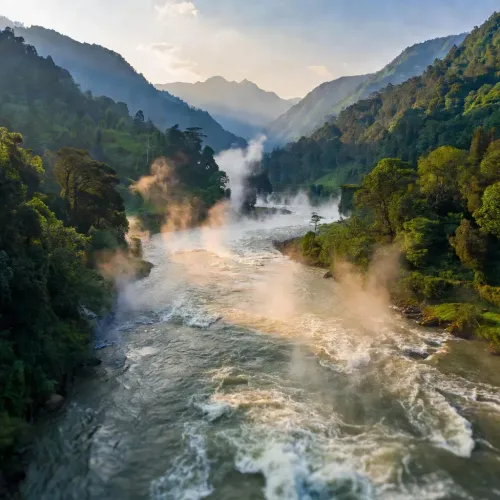
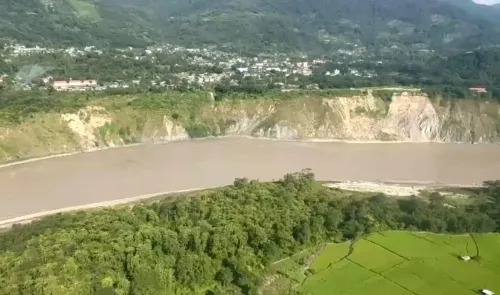
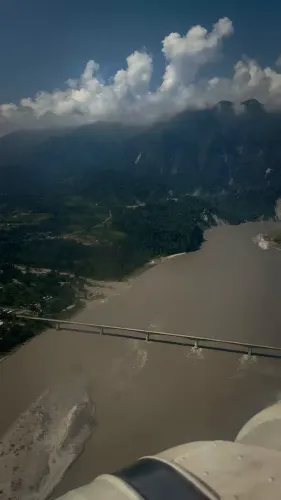
The Siang Upper Multipurpose Project is a proposed hydroelectric and water-management dam on the Siang River in the Brahmaputra basin .
India's push for Arunachal Pradesh hydropower is partly a strategic response to China 's upstream dam construction in Tibet.
Khandu committed to spreading awareness through 'facts, transparency and open dialogue' across the state.
Further AITF and CBO consultations, plus environmental clearance milestones, remain key events to watch.
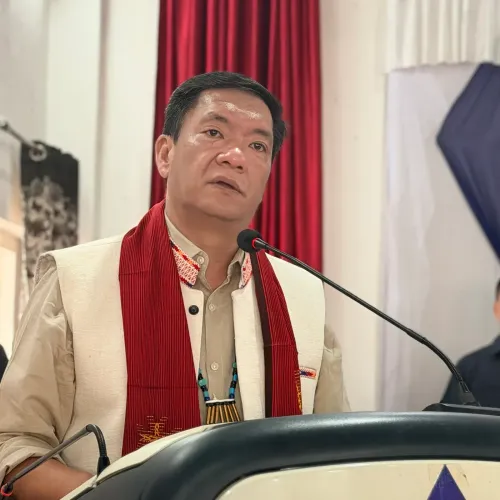
Misinformation, Arunachal Pradesh Chief Minister Pema Khandu says, is fuelling needless fear about one of the state's most strategically sensitive infrastructure proposals — and on Sunday, 25 October 2026, he sat down with tribal leaders to start correcting the record.
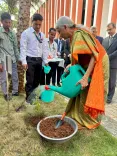
Khandu convened a meeting with the Arunachal Indigenous Tribes Forum (AITF) and several Community-Based Organisations (CBOs) to discuss the Siang Upper Multipurpose Project, a proposed large-scale dam on the Siang River in the Brahmaputra basin. His message was direct: 'Our people deserve accurate information to understand the project, its strategic importance and the concerns associated with it.'
What the Siang project is — and why it is contentious
The Siang Upper Multipurpose Project has been on the drawing board since proposals to harness the Brahmaputra basin's vast hydroelectric potential first gathered momentum in the early 2000s. The dam is designed to generate large-scale power while also serving as a strategic water-management buffer — a dimension that carries particular weight given that China has been accelerating its own upstream dam-building on the same river system across the border in Tibet.
That geopolitical backdrop makes the project more than a local infrastructure debate. For New Delhi, every megawatt generated and every cubic metre of water managed on the Indian side of the line is a quiet assertion of sovereign control over a transboundary resource. But for the indigenous communities in the Siang valley, the stakes are equally existential — displacement risks, threats to cultural sites, and environmental change on a river that has shaped their lives for generations.
A pattern of protest, outreach, and unresolved tension
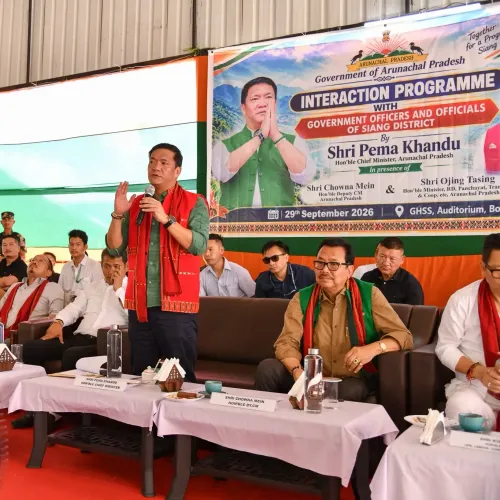
This is not the first time the Arunachal government has had to run an awareness campaign for a Brahmaputra basin project. Large hydropower proposals in the state have repeatedly triggered local protests, and the government has repeatedly responded with consultation rounds. The cycle — proposal, protest, dialogue — reflects a structural tension between national infrastructure ambitions and community-level concerns that no single meeting can fully resolve.
Khandu acknowledged the gap explicitly, calling for 'facts, transparency and open dialogue' to bridge it. The involvement of the AITF — the formal body representing Arunachal's indigenous tribes in state-level discussions — signals that the government is seeking institutional buy-in rather than bypassing community voices.
What comes next for AITF consultations and clearances
Sunday's meeting is the beginning of a wider outreach push, not a conclusion. The outcomes of further AITF and CBO consultations, the progress of environmental clearance processes, and any central government statements on project timelines will each determine how this conversation evolves.
For now, the Chief Minister has planted a flag: the project moves forward, but not without the people it will most directly affect. Whether that commitment translates into substantive changes — or remains a communication exercise — is the question the Siang valley will be watching closely.
Point of View
Forcing governments into iterative dialogue loops rather than clean project rollouts. The explicit framing of the Siang project as having 'strategic importance' — in a state that borders China and sits atop a contested river — signals that New Delhi's hydropower push here is as much geopolitical as it is developmental. By anchoring the outreach in an indigenous tribal forum rather than a purely bureaucratic process, Khandu is attempting to build legitimacy from the ground up, a method that has had mixed results elsewhere in the Brahmaputra basin. The real test will be whether these consultations feed back into project design or remain a communication wrapper around decisions already made.
NationPress
25 Oct 2026
Frequently Asked Questions
What is the Siang Upper Multipurpose Project?
The Siang Upper Multipurpose Project is a proposed large-scale hydroelectric and water-management dam on the Siang River in Arunachal Pradesh, part of India's broader effort to harness the Brahmaputra basin's power potential and manage transboundary river flows.
Why are tribal communities concerned about the Siang dam?
Indigenous communities in the Siang valley fear potential displacement, damage to cultural sites, and environmental change along a river central to their way of life — concerns that have fuelled protests against large hydropower projects in Arunachal Pradesh for years.
What is the Arunachal Indigenous Tribes Forum (AITF)?
The AITF is the formal body representing indigenous tribes of Arunachal Pradesh that engages with the state government on development, cultural, and rights-related issues.
Why does India consider the Siang project strategically important?
China has been building dams upstream on the same river system in Tibet, making India's own dam development on the Siang a way to assert sovereign control over a shared transboundary resource and ensure water security.
What happens next after the CM's meeting with AITF?
Further consultations with the AITF and community-based organisations are expected, alongside the environmental clearance process and potential central government announcements on project timelines.