CM Pema Khandu visits Yingkiong to discuss Siang Upper Multipurpose Project
Synopsis
Arunachal Pradesh Chief Minister Pema Khandu visited Yingkiong on 29 September 2026 to consult Upper Siang district residents on the proposed Siang Upper Multipurpose Project, signalling a consultative approach to one of the state's most significant and sensitive infrastructure proposals.
Key Takeaways
CM Pema Khandu arrived in Yingkiong , headquarters of Upper Siang district , on 29 September 2026 .
The visit is focused on direct community consultation over the Siang Upper Multipurpose Project , a proposed hydroelectric and multipurpose dam on the Siang River .
Key community concerns include displacement, environmental impact on the river, and benefit-sharing arrangements for local tribal communities.
Khandu has served as Chief Minister of Arunachal Pradesh since 2016 and is a senior BJP leader.
Chief ministerial visits to project-affected areas for public consultation are a recurring feature of hydroelectric project governance in Arunachal Pradesh.
Outcomes of the Yingkiong discussions — including any follow-up hearings or policy commitments — will shape the project's path forward.
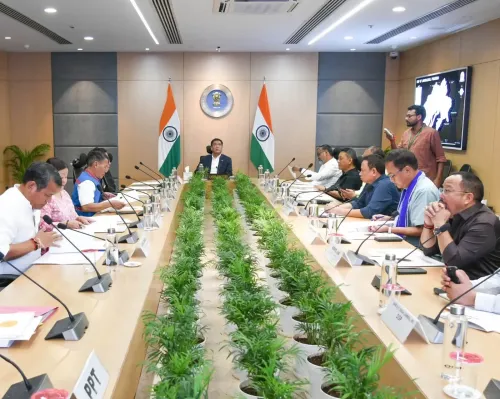
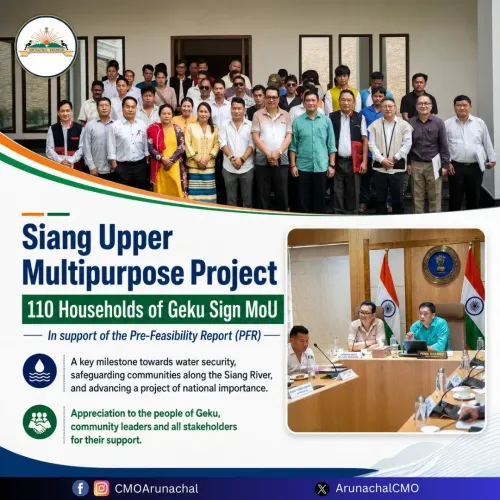
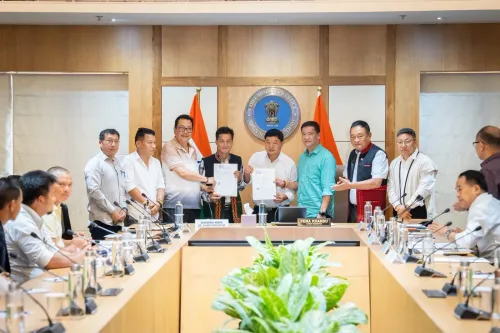
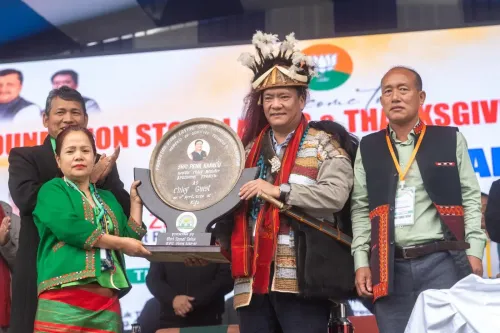
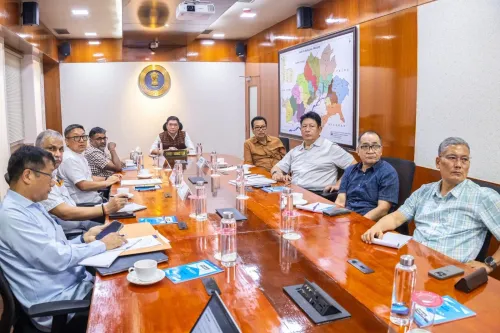
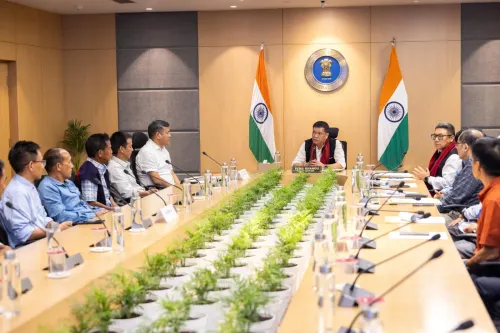
Arunachal Pradesh Chief Minister Pema Khandu arrived in Yingkiong — the administrative heart of Upper Siang district — on Tuesday, 29 September 2026, to meet residents and hold direct consultations on one of the state's most consequential and contested infrastructure proposals: the Siang Upper Multipurpose Project.
A dam that defines the district's future
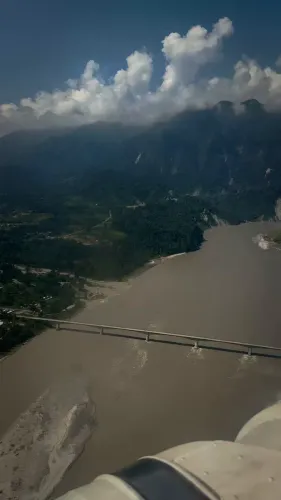
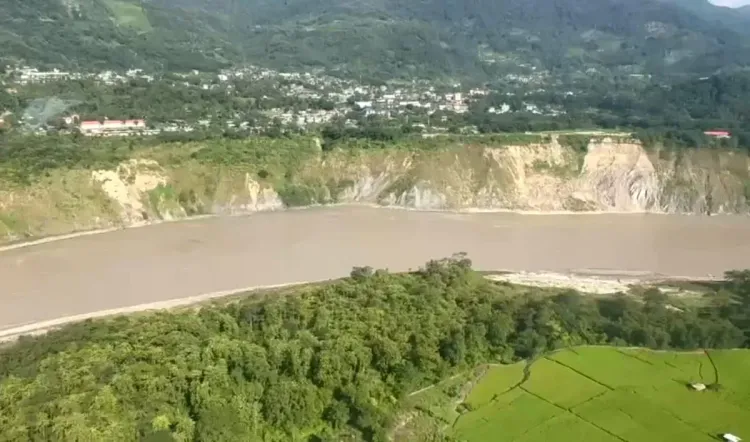
The Siang Upper Multipurpose Project is a proposed large-scale hydroelectric and multipurpose dam on the Siang River in Arunachal Pradesh. The project sits at the intersection of India's national renewable energy ambitions and the deeply local concerns of tribal communities who have lived along the river for generations. Questions of displacement, environmental impact, and fair benefit-sharing have made it a flashpoint — and a matter that demands face-to-face engagement, not bureaucratic correspondence.
Khandu posted on X: 'Reached Yingkiong. Here to meet our people, listen to their concerns and discuss the Siang Upper Multipurpose Project. We will always be there for our people, listening, understanding and working together towards a way forward.' The language is deliberate — 'our people', 'listening', 'together'. It signals a consultative posture at a moment when communities want reassurance, not announcements.
Yingkiong as the pulse of Upper Siang
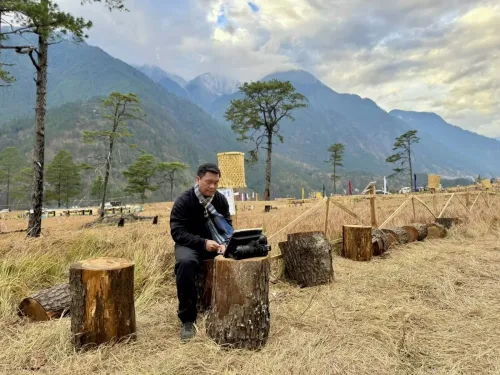
Yingkiong, the district headquarters of Upper Siang, is the natural gathering point for communities spread across a remote, mountainous terrain. Reaching it is itself a statement of intent. Chief ministerial visits to project-affected areas for public consultation have been a recurring feature of Arunachal Pradesh governance on hydroelectric proposals — a recognition that top-down project clearances without community buy-in have historically stalled or derailed large dam initiatives across the Northeast.
Arunachal Pradesh governments have pursued multiple hydroelectric projects on rivers including the Siang as part of broader national targets to scale up renewable energy capacity in the region. The state's river systems carry enormous generation potential — but each project carries an equally significant social and ecological footprint that local communities are acutely aware of.
What the Yingkiong talks need to deliver
The outcome of these discussions — whether they produce formal public hearings, revised benefit-sharing frameworks, or state government commitments on resettlement — will determine how the project moves forward. Concerns from Upper Siang district residents and local tribal communities typically centre on three axes: who bears the cost of displacement, who shares in the power revenues, and what environmental safeguards protect the river ecology downstream.
Khandu has served as Chief Minister since 2016, giving him a long institutional memory of how these negotiations unfold. The Yingkiong visit suggests the state government is choosing dialogue over decree — a politically and practically necessary move when the communities in question are the ones who will live with the consequences longest.
The river will keep flowing. What changes next depends on what gets decided on its banks.
Point of View
The Chief Minister is signalling that the state government recognises the political and social weight of the Siang Upper Multipurpose Project — and that it cannot afford to be seen as bypassing the communities most affected. The visit also fits into the BJP's wider Northeast strategy of high-visibility outreach in frontier districts, where development optics and ground-level trust are equally important. How the consultations translate into concrete commitments will be the real test of whether this engagement is substantive or symbolic.
NationPress
29 Sept 2026
Frequently Asked Questions
What is the Siang Upper Multipurpose Project?
The Siang Upper Multipurpose Project is a proposed large-scale hydroelectric and multipurpose dam on the Siang River in Arunachal Pradesh, aimed at power generation and other uses. It has raised concerns among local tribal communities over displacement, environmental impact, and benefit-sharing.
Why did CM Pema Khandu visit Yingkiong?
Arunachal Pradesh Chief Minister Pema Khandu visited Yingkiong on 29 September 2026 to meet Upper Siang district residents, listen to their concerns, and hold direct consultations specifically on the Siang Upper Multipurpose Project.
Where is Yingkiong located?
Yingkiong is the headquarters of Upper Siang district in Arunachal Pradesh, situated in a remote, mountainous part of the state along the Siang River.
What are the main concerns of communities about the Siang dam project?
Local tribal communities in Upper Siang district have raised concerns about displacement of people, environmental impact on the Siang River ecosystem, and the fair sharing of revenues and benefits from the proposed project.
How long has Pema Khandu been Chief Minister of Arunachal Pradesh?
Pema Khandu has served as Chief Minister of Arunachal Pradesh since 2016 and is a senior leader of the Bharatiya Janata Party (BJP).