CM Pema Khandu Pledges Trust-First Approach on Siang Dam
Synopsis
CM Pema Khandu reached out directly to Siang valley residents on 29 September 2026, promising that the Siang Upper Multipurpose Project — a major hydropower and flood-moderation scheme on the Brahmaputra's upper course — will not advance without genuine community trust and transparent dialogue.
Key Takeaways
CM Pema Khandu publicly committed to prioritising community trust over project timelines for the Siang Upper Multipurpose Project .
The project on the Siang River is designed for power generation and flood moderation, both critical given upstream dam construction in China.
Arunachal Pradesh has an estimated 50,000 MW of hydropower potential, making the Siang basin central to national energy-security plans.
Indigenous tribal communities in the Siang valley have historically raised concerns over displacement, cultural sites, and ecological risk.
The state government's explicit 'trust-first' framing reflects a broader pattern of public-consultation requirements before major dam clearances in the northeast.
Next steps include fresh public hearings and environmental clearance updates from the Ministry of Environment .
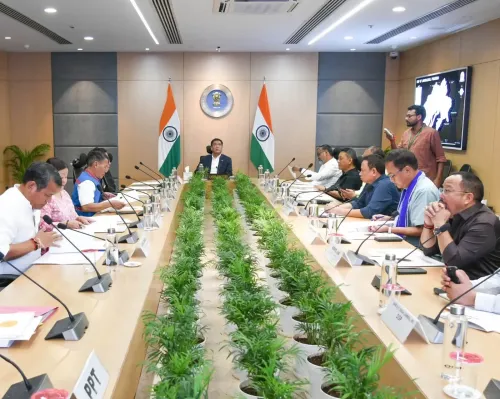
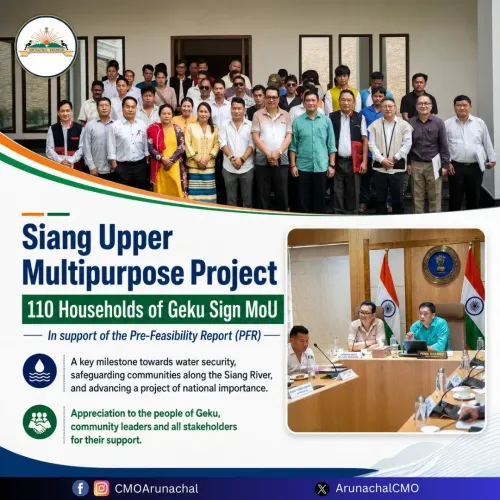
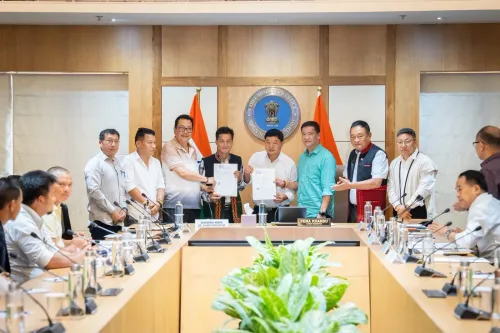
The Siang valley stands at the centre of one of Arunachal Pradesh's most consequential infrastructure decisions — and on Tuesday, 29 September 2026, Arunachal Pradesh Chief Minister Pema Khandu made a pointed public commitment to the communities at its heart: no project, however nationally important, moves without the people's confidence behind it.
Addressing the people of the Siang region directly, CM Khandu said, 'The Siang Upper Multipurpose Project is a project of great importance, but no project can move forward without the confidence and trust of the people. We will be there with you, every step of the way.' The message, posted with a video, was unambiguous: the state government is asking for trust, and promising to earn it through action — not assurances alone.
What the Siang Upper Multipurpose Project actually involves
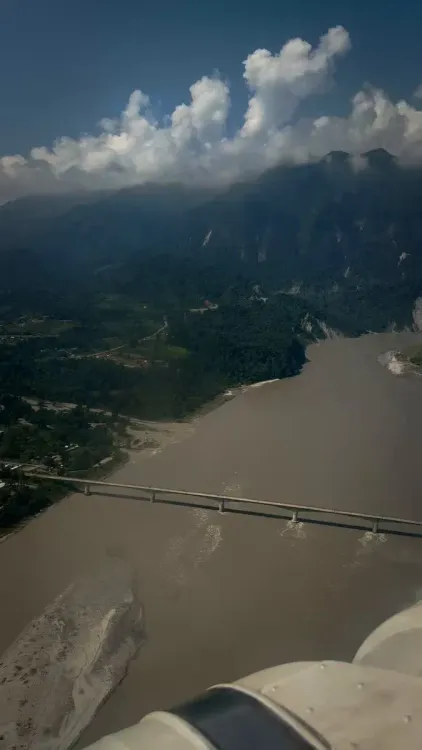
The Siang Upper Multipurpose Project is a proposed large-scale dam on the Siang River — the upper course of the Brahmaputra as it carves through Arunachal Pradesh. Its twin objectives are power generation and flood moderation, the latter taking on fresh urgency given China's construction of a massive dam upstream on the Yarlung Tsangpo, which threatens to alter the Brahmaputra's flow dramatically downstream.
India's hydropower ambitions in Arunachal Pradesh date back to the early 2000s, when planners identified an estimated 50,000 MW of untapped potential in the state's rivers. Successive five-year plans and the Ministry of Power have pushed to unlock that capacity, with the Siang basin among the most significant sites in that national energy-security calculus.
Why local trust is the project's hardest problem
For the indigenous tribal communities of the Siang valley, the stakes are intensely personal. Large dam projects in Arunachal Pradesh have historically triggered anxiety over displacement, the submergence of ancestral land and cultural sites, and downstream ecological risk. That pattern has made public consultation not just a procedural requirement but a genuine political flashpoint for every state administration that has attempted to advance such projects.
State governments here have learned — sometimes the hard way — that project clearances and central PSU agreements mean little if the valley itself is not on board. CM Khandu's post reflects that lesson: 'Addressing your concerns, and building trust through action. And for the trust you place in us, we will never back down.'
The Act East current running through this pledge
Arunachal Pradesh sits at the intersection of India's Act East Policy, national energy goals, and one of its most sensitive international borders. Multipurpose river projects in the state carry a strategic dimension beyond megawatts — they are part of a broader infrastructure push meant to anchor development in a frontier region. That geopolitical weight makes community trust not just good governance, but a strategic necessity.
The coming months will test whether CM Khandu's pledge translates into a structured process: fresh public hearings, transparent engagement with environmental clearance procedures at the Ministry of Environment, and visible progress on addressing the Siang communities' specific concerns. The valley is watching — and so is the rest of the country.
Point of View
The urgency is real: with China advancing a mega-dam upstream on the Yarlung Tsangpo, India's window to assert hydrological infrastructure on the Siang is narrowing, making the politics of consent more time-sensitive than ever. Whether the pledge translates into a genuine, structured consultation process — or remains aspirational messaging — will define both the project's fate and Khandu's political credibility in the valley.
NationPress
29 Sept 2026
Frequently Asked Questions
What is the Siang Upper Multipurpose Project?
The Siang Upper Multipurpose Project is a proposed large dam on the Siang River in Arunachal Pradesh, designed for hydroelectric power generation and flood moderation along the upper course of the Brahmaputra.
Why are Siang valley communities concerned about the dam project?
Indigenous tribal communities in the Siang valley have raised concerns about displacement from ancestral land, submergence of cultural sites, and downstream ecological risks — issues that have historically accompanied large dam projects in northeast India.
What did CM Pema Khandu say about the Siang project?
CM Khandu directly addressed Siang residents, stating that while the project is nationally important, it cannot move forward without the people's confidence, and promised to address their concerns and build trust through concrete action.
Why is the Siang River strategically important for India?
The Siang River is the upper course of the Brahmaputra, and India is concerned about China's upstream dam construction on the Yarlung Tsangpo, which could alter downstream water flows — making Indian infrastructure on the Siang both an energy and a geopolitical priority.
What are the next steps for the Siang Upper Multipurpose Project?
Key milestones to watch include fresh rounds of public hearings in the Siang valley, environmental clearance updates from the Ministry of Environment, and any formal project implementation agreements between the state government and central public sector undertakings.