Siang multipurpose project: No dam without consent, says Arunachal CM Pema Khandu
Synopsis
Arunachal Pradesh CM Pema Khandu has written an open letter to the Adi community pledging no dam construction without public consent — while quietly invoking China's Yarlung Tsangpo dam, just 40 km from the Indian border, as the strategic reason India cannot afford to ignore the 11,200-MW Siang project.
Key Takeaways
Arunachal Pradesh CM Pema Khandu assured on 2 November 2026 that no decision on the Siang Upper Multipurpose Project (SUMP) would be taken without public consent and detailed consultations.
The proposed project is a 11,200-MW hydropower scheme and one of only 16 National Projects in India, declared so on 7 February 2008 .
The immediate step under consideration is a Pre-Feasibility Report (PFR) — not construction approval.
China reportedly began constructing a dam on the Yarlung Tsangpo in Medog County , around 40 km from the Indian border, on 19 July 2025 ; about 65% of Siang's water originates in China.
Khandu dismissed claims of forced displacement as misinformation and cautioned against violence, bandhs and blockades.
He commended the Arunachal Indigenous Tribes Forum for promoting peace and called for open dialogue with all stakeholders.
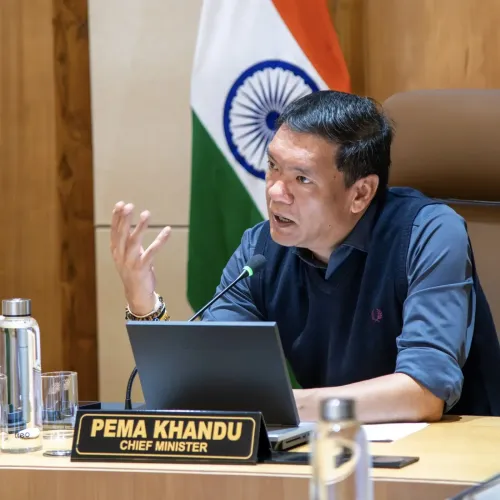
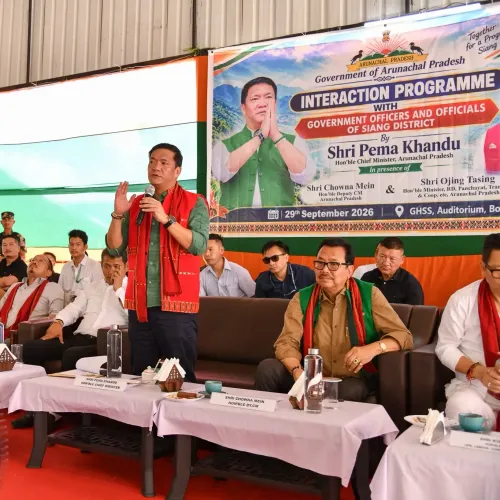
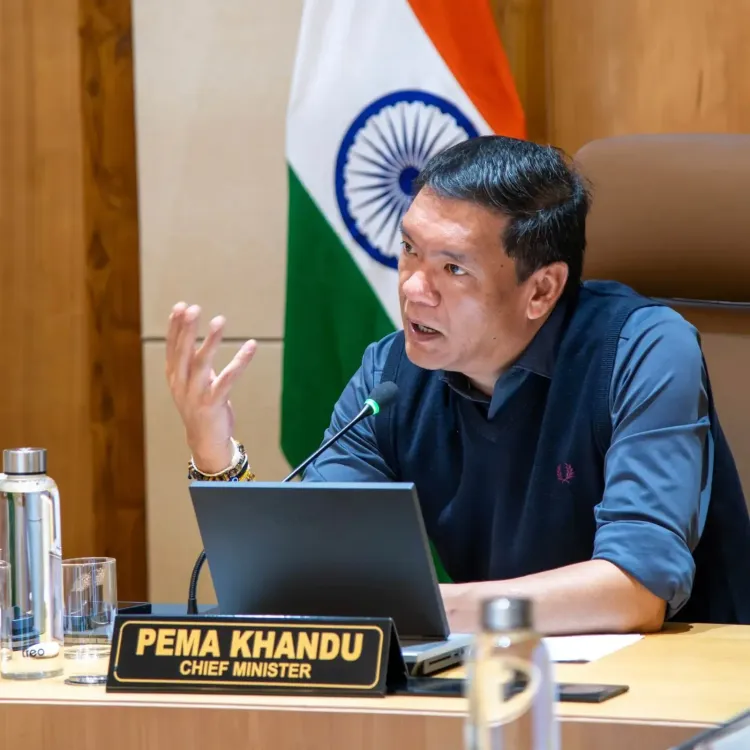
Arunachal Pradesh Chief Minister Pema Khandu on Monday, 2 November 2026, assured the Adi community and residents of the Siang and Upper Siang districts that no decision on the construction of the Siang Upper Multipurpose Project (SUMP) would be taken without detailed public consultations and the explicit consent of affected communities. His assurance came amid continuing protests against the proposed 11,200-MW hydropower project in Arunachal Pradesh.
What Khandu Said in His Open Letter
In an open letter addressed to the Adi community, Khandu acknowledged the anxiety and apprehensions surrounding the project, particularly among mothers, elders, youth and families worried about the fate of their land, homes and livelihoods. He stressed that the voices of the people, their land, their homes, and the Siang River — revered as Aane Siang — would remain central to every consideration the government made.
The Chief Minister clarified that the immediate step under consideration was the preparation of a Pre-Feasibility Report (PFR), which would evaluate the project's basic viability, possible implications and alternative options. Crucially, he stated that initiating a PFR did not constitute approval for dam construction, and that neither the Centre nor the state government had taken any decision to build the project.
The China Factor Behind the Project's Urgency
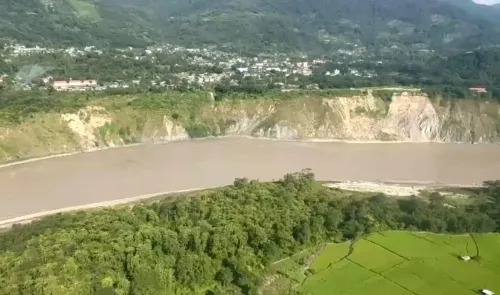
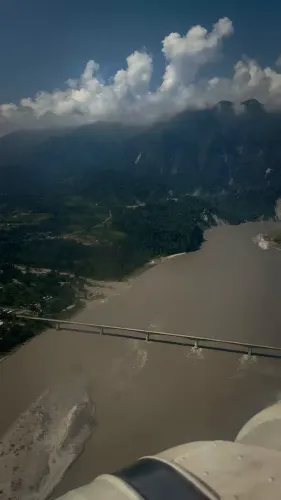
Khandu provided strategic context for why scientific examination of the project was necessary. He referred to reports that China had begun constructing a dam on the Yarlung Tsangpo River in Medog County, approximately 40 km from the international border, on 19 July 2025. Since around 65 per cent of the water in the Siang originates in China, developments upstream could pose potential risks — including sudden high flows and water scarcity during dry winter months.
“We cannot control what happens upstream, but we can control what we do on our side. We must prepare and build resilience,” Khandu said, framing the SUMP as one of several options requiring scientific and technical examination to maintain ecological flows in the Siang and Brahmaputra rivers. This comes amid wider concerns about China's growing hydraulic infrastructure on Tibetan rivers that feed India's northeast.
Dismissing Misinformation, Cautioning Against Violence
The Chief Minister firmly rejected claims that a decision to build the dam had already been made and that residents would face forcible displacement or non-consensual land acquisition. He described such assertions as misinformation and urged communities to rely on accurate, verified information.
While affirming that peaceful protest and disagreement were legitimate democratic rights, Khandu cautioned that violence, threats, bandhs and blockades could not resolve the issue and would only cause hardship to local residents. He warned that those taking the law into their own hands would face legal consequences.
Background: A National Project Since 2008
The Siang Upper Multipurpose Project was declared a National Project by the Government of India on 7 February 2008, following a Union Cabinet decision. It is currently one of only 16 National Projects in the country, underlining its strategic and developmental significance at the federal level.
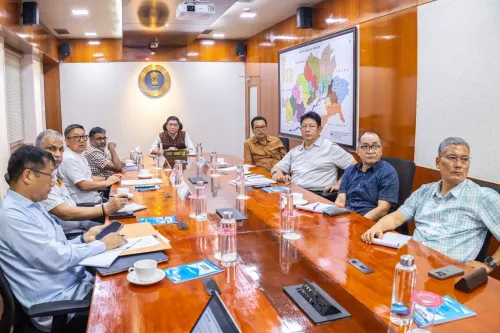
Khandu also commended the Arunachal Indigenous Tribes Forum and various community-based organisations for their role in promoting peace and dialogue in the Siang region. He called on all stakeholders — residents of Siang and Upper Siang, public representatives and government officials — to participate in open, frank discussions and work together to protect Aane Siang and safeguard the region's future for coming generations.
Point of View
But the China dimension gives it genuine strategic weight. By linking the SUMP's urgency to Beijing's Yarlung Tsangpo dam — just 40 km from the border — he reframes a local land-rights protest as a national security question, which narrows the space for outright project rejection. The tension here is real: communities in Siang have legitimate fears about displacement and ecological loss, yet India's vulnerability to upstream water manipulation by China is equally concrete. The PFR stage is being presented as neutral ground, but history suggests that feasibility studies for National Projects rarely conclude with a 'no build' recommendation. The credibility of the consultation process will depend on whether affected communities have genuine veto power or are merely consulted before a predetermined outcome.
NationPress
3 Nov 2026
Frequently Asked Questions
What is the Siang Upper Multipurpose Project (SUMP)?
The Siang Upper Multipurpose Project is a proposed 11,200-MW hydropower scheme on the Siang River in Arunachal Pradesh. It was declared a National Project by the Government of India on 7 February 2008 following a Union Cabinet decision and is currently one of only 16 National Projects in the country.
Why are communities in Arunachal Pradesh protesting against the SUMP?
Residents of Siang and Upper Siang districts, particularly the Adi community, have raised concerns about the potential impact of the dam on their land, homes and livelihoods, as well as on the Siang River — revered as Aane Siang. Fears of forced displacement and non-consensual land acquisition have fuelled ongoing protests.
Has a decision been made to construct the Siang dam?
No. Chief Minister Pema Khandu clarified that neither the Centre nor the state government has taken a decision to build the dam. The current step under consideration is only the preparation of a Pre-Feasibility Report (PFR) to assess basic viability and alternatives.
Why does Arunachal Pradesh CM cite China's dam in his letter?
Khandu referenced reports that China began constructing a dam on the Yarlung Tsangpo in Medog County, about 40 km from India's international border, on 19 July 2025. Since around 65% of the Siang's water originates in China, upstream developments could pose risks of sudden flooding or dry-season water scarcity, which Khandu cited as strategic grounds for examining the SUMP as a resilience measure.
What happens next in the SUMP process?
The government is currently considering commissioning a Pre-Feasibility Report (PFR). Khandu has committed to detailed public consultations and community consent before any construction decision is made. He has also called on residents and community organisations to engage in open dialogue with the government and public representatives.