CM Pema Khandu Addresses Adi Community's Siang Dam Fears
Synopsis
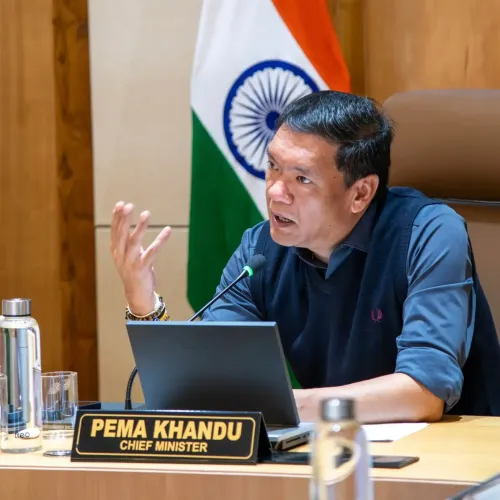
Arunachal Pradesh CM Pema Khandu directly addressed the Adi community's fears over the Siang Upper Multipurpose Project on 2 November 2026, pledging transparency and meaningful public consultation before any forward movement on the controversial dam proposal.
Key Takeaways
Pema Khandu issued a personal appeal to the Adi community on 2 November 2026 over the Siang Upper Multipurpose Project .
He pledged that 'open dialogue, transparency and meaningful public consultation' will precede any forward movement on the project.
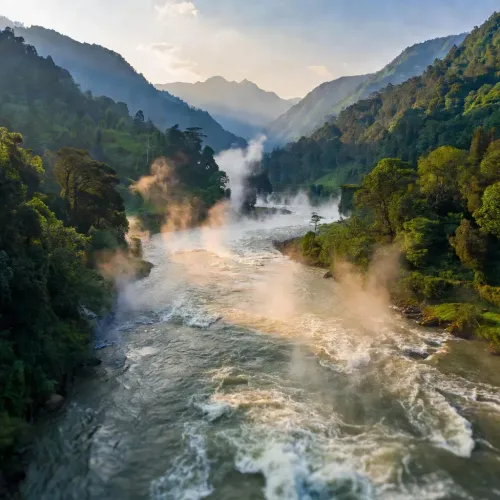
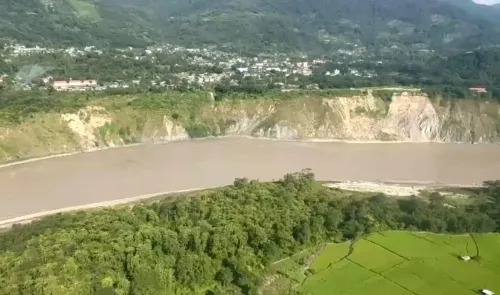
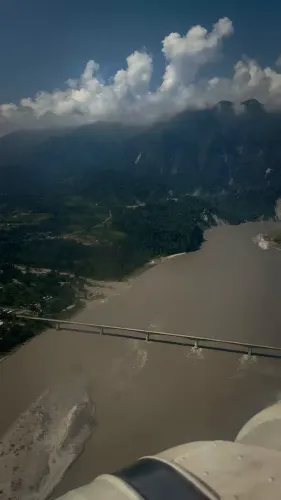
The Siang Upper Multipurpose Project is a proposed dam for hydropower, flood control and irrigation on the upper Siang River in Arunachal Pradesh.
The project is part of a 2003 Government of India initiative to develop 50,000 MW of hydropower from the Northeast.
Community concerns centre on land submergence, ecological impact and the cultural significance of Aane Siang — Mother Siang — to the Adi people.
Khandu referenced a detailed statement to clarify facts; its content and any follow-up consultation dates remain to be released.
A large dam, a river valley communities call sacred, and a Chief Minister caught between national infrastructure ambitions and tribal heartland — Arunachal Pradesh Chief Minister Pema Khandu stepped directly into that fault line on Monday, 2 November 2026, posting a personal appeal to the Adi community over the contested Siang Upper Multipurpose Project.
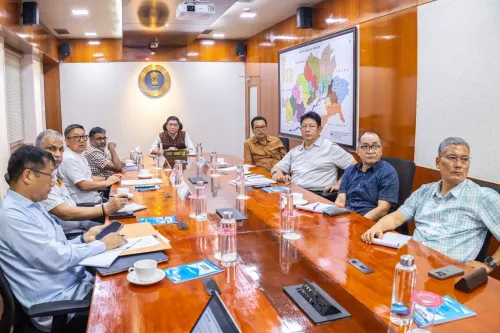
In a message addressed to his 'beloved Adi brothers and sisters,' Khandu acknowledged what many governments instinctively deflect: the fear. 'I deeply understand the concerns and apprehensions surrounding the Siang Upper Multipurpose Project,' he wrote, pledging that 'your voices, your land, your homes and our beloved Aane Siang remain at the heart of every consideration.' He urged residents to read a detailed statement he said would clarify the facts — though no date or platform for that document was specified in the post.
What the Siang Project Means — and Why It Sparks Fear
The Siang Upper Multipurpose Project is a proposed large-scale dam on the upper Siang River in Arunachal Pradesh, designed for hydropower generation, flood control, and irrigation. It sits inside a broader national push — dating to a 2003 Government of India initiative — to develop 50,000 MW of hydropower from the Northeast, with the Siang River earmarked as a key source.
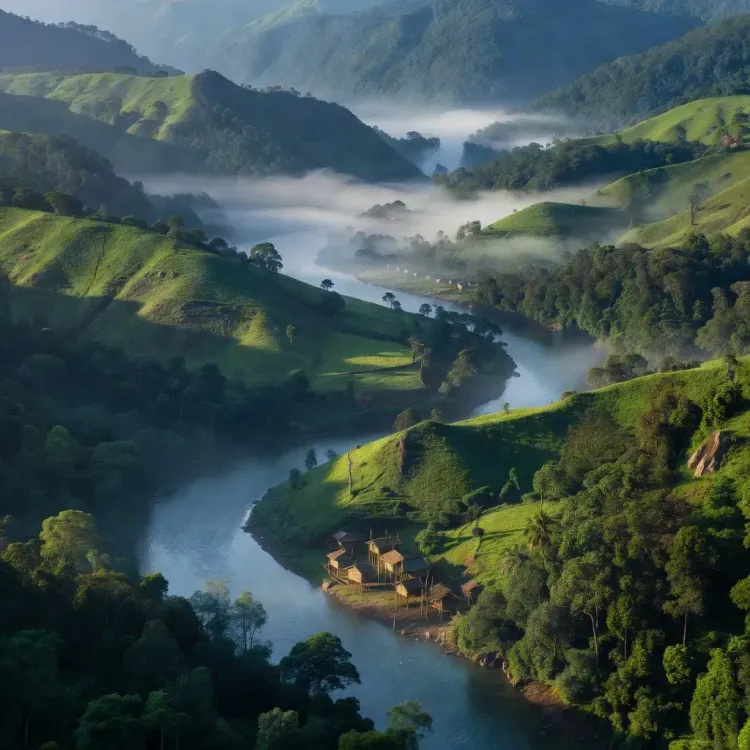
But for the Adi community, the Siang valley is not merely a water resource. Aane Siang — literally 'Mother Siang' in the Adi language — is a cultural and spiritual reference for the river and its surrounding terrain. Large-scale submergence would mean not just displacement but the erasure of ancestral land and sacred sites. That tension has fuelled recurring local resistance to dam proposals in this stretch of the Northeast for over two decades.
The Language of Assurance — and Its Limits
Khandu's framing is deliberate. Words like 'open dialogue,' 'transparency,' and 'meaningful public consultation' are promises with procedural weight — they signal that the government will not push through environmental clearances without community engagement. The assurance that the project will advance 'only with due consideration for the aspirations and interests of our people' is as close to a public veto pledge as a sitting Chief Minister typically offers.
Yet the broader pattern in Arunachal Pradesh and the Northeast tells a more complicated story. Governments have made similar consultation commitments on hydropower projects before, and communities have found that statutory public hearings often arrive after project parameters are already fixed. Whether Khandu's intervention signals a genuine pause — or a reset of the messaging ahead of clearance proceedings — will become clear only when the detailed statement and any follow-up consultation dates are made public.
What the Adi Community and Siang Valley Residents Are Watching
The immediate asks from community leaders have centred on land submergence assessments, independent ecological studies of the upper Siang basin, and legally binding commitments on rehabilitation. Khandu's post does not address these specifics — it is, in tone, a gesture of solidarity ahead of what will need to be a more detailed policy conversation. The reference to a forthcoming 'detailed statement' is the signal to watch: its content, scope, and the process it promises will define whether this moment marks a real inflection point or a pause.
For a river valley that has waited years for a serious hearing, the Chief Minister of Arunachal Pradesh has now said publicly that Aane Siang will not be moved forward without the community's voice. The next move belongs to the state government — and the calendar.
Point of View
Not just procedural inconvenience. By invoking 'Aane Siang' in his own words, he signals cultural fluency and kinship with Adi identity, raising the stakes for the government's next steps to match the rhetoric. The promise of consultation before progress fits a pattern of managed resistance to dam projects across the Northeast, where the gap between assurance and action has historically been wide. How quickly and substantively the 'detailed statement' materialises will determine whether this post is remembered as a turning point or a deferral.
NationPress
3 Nov 2026
Frequently Asked Questions
What is the Siang Upper Multipurpose Project?
The Siang Upper Multipurpose Project is a proposed large dam on the upper Siang River in Arunachal Pradesh, designed for hydropower generation, flood control, and irrigation. It is part of a broader national initiative announced in 2003 to develop 50,000 MW of hydropower from India's Northeast.
Why are Adi community members opposing the Siang dam?
The Adi community's concerns include potential displacement, land submergence, ecological damage to the upper Siang basin, and the loss of culturally and spiritually significant sites associated with 'Aane Siang' — the Adi name for Mother Siang, the revered river valley.
What did CM Pema Khandu promise the Adi community?
Pema Khandu promised open dialogue, transparency, and meaningful public consultation before any forward movement on the Siang Upper Multipurpose Project, and said the government would proceed only with due consideration for the aspirations of the local people.
What does 'Aane Siang' mean?
'Aane Siang' is an Adi language reference meaning 'Mother Siang,' used to describe the Siang River and the broader valley it nurtures in Arunachal Pradesh. It carries deep cultural and spiritual significance for the Adi community.
What happens next with the Siang dam project?
Khandu has referenced a detailed statement to address community concerns and clarify facts. Key developments to watch include any scheduled public consultations, updates to the environmental clearance process, and formal responses from central ministries overseeing the project.