Siang Multi-Purpose Project a national security asset, not just hydro: Arunachal CM
Synopsis
Arunachal CM Pema Khandu has recast the ₹1.5 lakh crore Siang dam project not as a hydropower scheme but as a national security response to China's upstream water control on the Brahmaputra. With a three-month feasibility study set to begin in November, the next 90 days will determine whether India's most strategically framed dam project moves forward — or is shelved before it breaks ground.
Key Takeaways
Arunachal Pradesh CM Pema Khandu on 29 September 2026 described the Siang Upper Multi-Purpose Project (SUMP) as a national security asset, not merely a hydropower project.
SUMP carries a proposed generation capacity of 11,000 MW and an estimated cost of ₹1.5 lakh crore , potentially rising to ₹2 lakh crore .
The Preliminary Feasibility Report (PFR) is the immediate priority, expected to take three months — November, December and January.
The project's strategic rationale is rooted in China's 2021 upstream dam announcement and its refusal to share water-flow data with India and Bangladesh.
If found feasible, the project will proceed through SIA, EIA and DPR stages; communities retain the right to reject it through prescribed public hearings.
Khandu pledged to spend up to 10 days in Siang personally engaging with affected villages.
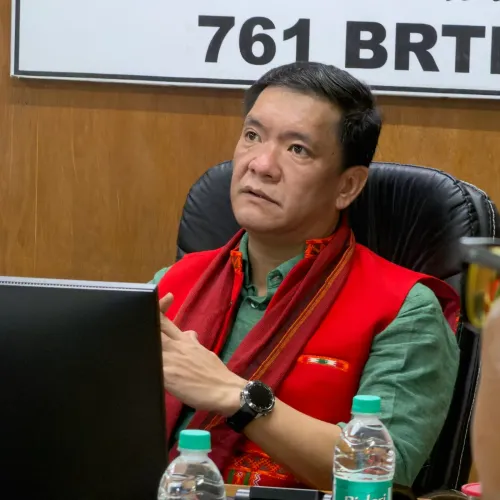
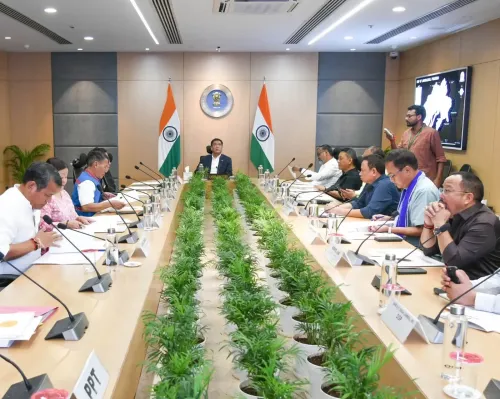
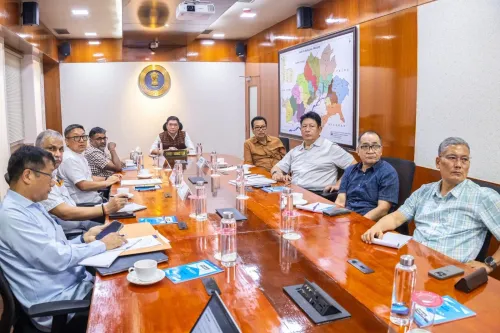
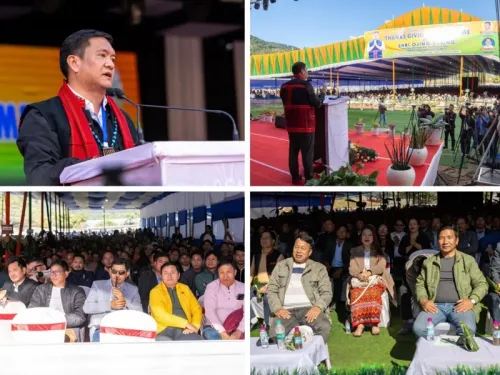
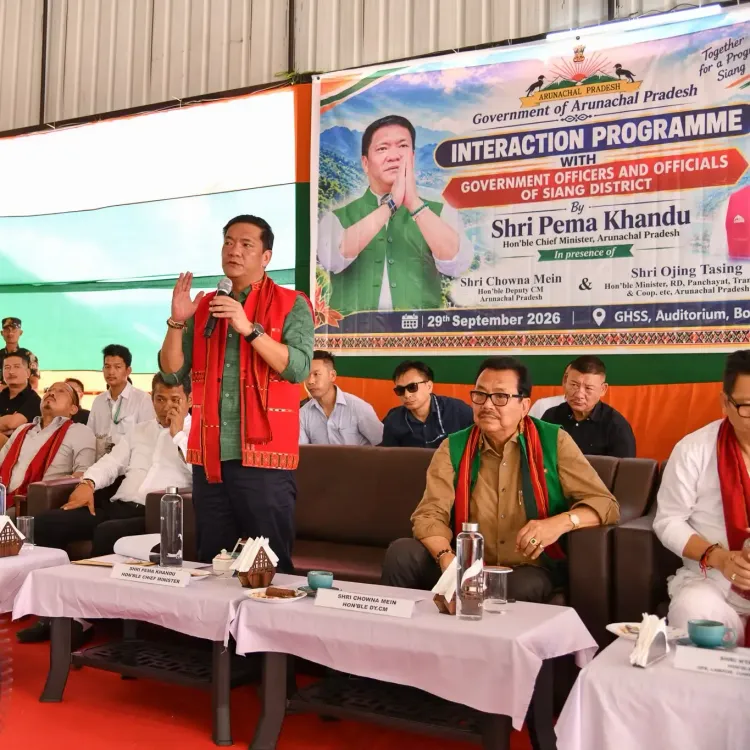
Arunachal Pradesh Chief Minister Pema Khandu on Tuesday, 29 September 2026, declared that the ₹1.5 lakh crore Siang Upper Multi-Purpose Project (SUMP) must be understood as a project of national strategic and security significance — not merely a conventional hydropower initiative. Addressing government officers and district officials at Boleng in Siang district, Khandu said the project carries implications that extend well beyond the northeastern state to the entire country.
Why SUMP Is Framed as a National Security Imperative
Khandu was emphatic that the push for SUMP is neither a personal priority nor that of Prime Minister Narendra Modi, but a matter of India's national security and defence preparedness. The framing draws directly from China's massive upstream water infrastructure: the Chief Minister pointed out that India and Bangladesh had sought details and water-sharing discussions from Beijing regarding its large dam project announced in 2021, but those requests were not accepted by the Chinese side. He also flagged existing water-diversion routes in China and its proposed diversion of water toward its northern dry belt as additional strategic concerns.
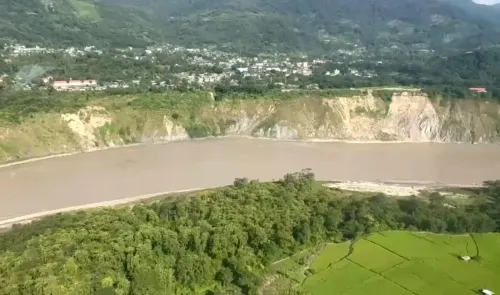
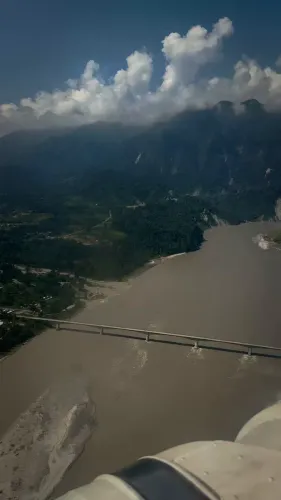
Notably, the Siang River — the local Arunachali name for the Brahmaputra — flows from the Tibetan plateau into India before entering Bangladesh, making upstream Chinese control of its waters a live geopolitical risk. Khandu argued that SUMP needed to be examined scientifically and technically rather than accepted or rejected without adequate assessment.
Preliminary Feasibility Report: The Immediate Priority
The Chief Minister stressed that the government is not attempting to fast-track SUMP beyond the feasibility stage. The Preliminary Feasibility Report (PFR) is the immediate and only current objective, and Khandu said it should be completed without further delay. The PFR is expected to take three months — covering November, December and January — after which there would be greater clarity on feasibility, location and technical parameters.
The PFR will specifically examine whether the proposed structure is technically viable in Arunachal Pradesh's Seismic Zone V, what level of flood protection it could provide against a possible upstream water release, and whether suitable construction locations exist. Khandu was clear: 'If the experts determine after the PFR that the project cannot be built, there will be no further process.'
Scale and Economic Stakes
SUMP carries a proposed generation capacity of 11,000 MW, making it a mega hydropower project. The Chief Minister estimated the investment at around ₹1.5 lakh crore initially, potentially rising to ₹2 lakh crore. If realised, it would represent one of the largest single investments in India's infrastructure history. Khandu said such an outlay could generate substantial economic activity and employment for local youth — in construction, road building, quarrying, aggregate and sand supply, transportation and ancillary services.
Community Consultation and Rehabilitation Commitments
Khandu offered detailed assurances on community engagement, noting that if the project proceeds beyond the feasibility stage, the government would undertake extensive consultations with affected Gram Panchayats, villages and local communities, including point-by-point project presentations. He clarified that Social Impact Assessment (SIA), Environmental Impact Assessment (EIA) and the Detailed Project Report (DPR) would all precede any further action, in accordance with applicable laws.
He also separated land acquisition, assessment of agricultural and horticultural assets, and Relief and Rehabilitation (R&R) as distinct components — with affected villages having a say in relocation sites and compensation governed by applicable rules. Significantly, Khandu assured that even post-PFR, if public hearings establish community opposition, people would retain the right to reject the project through the prescribed process. He added that he is prepared to spend a week or even 10 days in Siang during his next visit, personally meeting villagers and hearing concerns.
What Comes Next
The PFR process is slated to begin in November 2026, with results expected by January 2027. Should the project clear the feasibility threshold, SIA, EIA and DPR preparation will follow under statutory frameworks. All eyes will be on the PFR findings — as they will determine whether India's most strategically argued dam project advances to the next stage or is shelved entirely.
Point of View
Khandu is effectively making the case that SUMP is less about megawatts and more about strategic buffering on the Brahmaputra. What is striking, however, is the candour around the PFR: the admission that the project may not be technically viable in Seismic Zone V, and that it could be shelved after three months, suggests the government is managing expectations rather than ramming through a fait accompli. The real test of democratic intent will come not in the feasibility report, but in whether the promised community veto — if public hearings go against the project — is actually honoured.
NationPress
29 Sept 2026
Frequently Asked Questions
What is the Siang Upper Multi-Purpose Project (SUMP)?
SUMP is a proposed mega hydropower project in Arunachal Pradesh's Siang district with a planned generation capacity of 11,000 MW and an estimated cost of ₹1.5 lakh crore, potentially rising to ₹2 lakh crore. It is situated on the Siang River — the Arunachali name for the Brahmaputra — and is being positioned by the state government as a project of national strategic importance.
Why does Arunachal CM Pema Khandu call SUMP a national security project?
Khandu argues that SUMP is a strategic response to China's large upstream dam announced in 2021 on the Brahmaputra and Beijing's refusal to share water-flow data with India and Bangladesh. He contends that a downstream storage and management structure in India is essential for flood protection and water security.
What is the Preliminary Feasibility Report (PFR) and when will it be completed?
The PFR is the first technical assessment of SUMP, expected to take three months covering November, December and January 2026-27. It will determine whether the project is viable in Arunachal Pradesh's Seismic Zone V, identify suitable construction locations, and assess flood-protection capabilities.
What happens if the PFR finds the project is not technically feasible?
Chief Minister Khandu has stated explicitly that if experts determine after the PFR that the project cannot be built, there will be no further process and the project will be dropped. The government has committed to respecting the PFR's technical conclusions.
How will affected communities be consulted about SUMP?
Khandu assured that if SUMP proceeds beyond the feasibility stage, the government will hold extensive consultations with Gram Panchayats and villages, conduct Social Impact Assessments and Environmental Impact Assessments, and allow communities to reject the project through prescribed public hearings. Land acquisition compensation will follow applicable rules, and affected villages will have input on relocation sites.