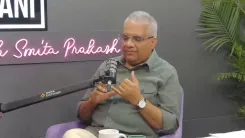
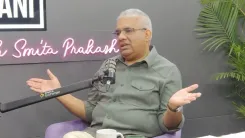
Pema Khandu calls for transparency on 11,200-MW Siang hydropower project amid violence
Synopsis
Violent protests against Arunachal Pradesh's proposed 11,200-MW Siang hydropower project have forced CM Pema Khandu to convene emergency all-party talks and tribal consultations — even as the Centre deploys 250 RAF personnel to Pasighat after mobs torched an NHPC office and a police station and injured over 40 police. The unrest reveals a deep fault line between national energy strategy and indigenous rights in one of India's most ecologically and strategically sensitive river valleys.
Key Takeaways
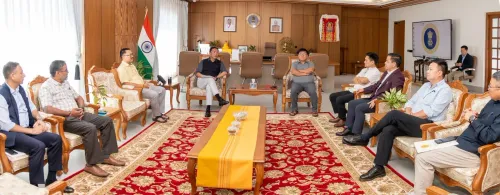
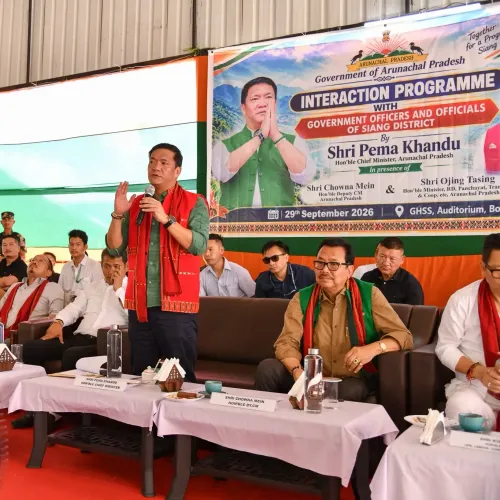
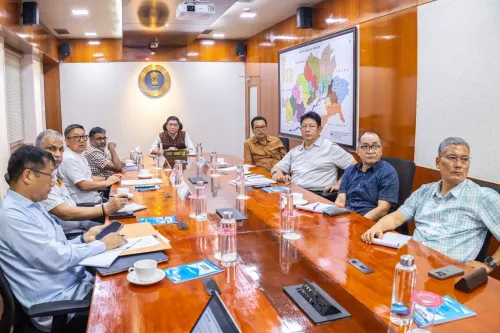
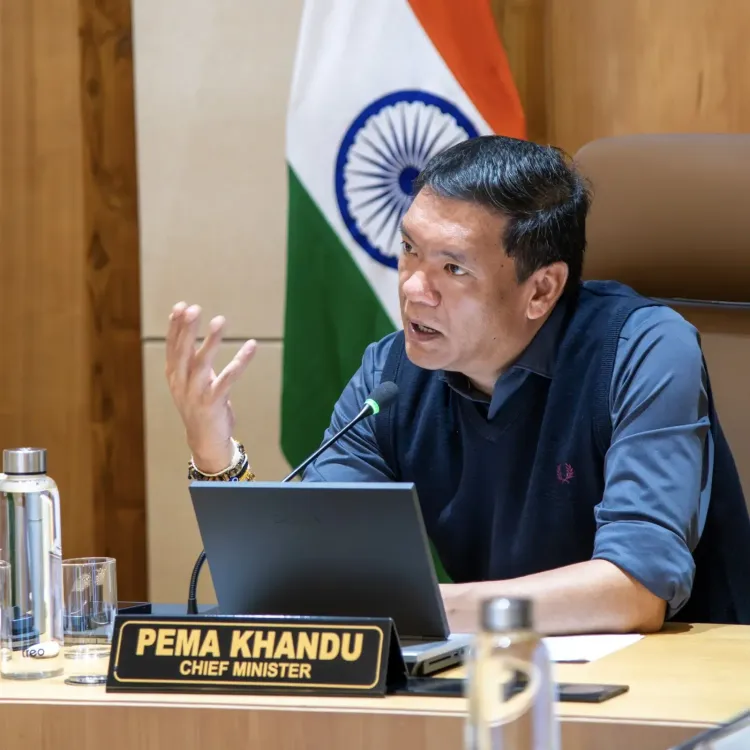
Arunachal Pradesh CM Pema Khandu held an all-party meeting on the Pre-Feasibility Report of the 11,200-MW Siang Upper Multipurpose Project (SUMP) on 25 October .
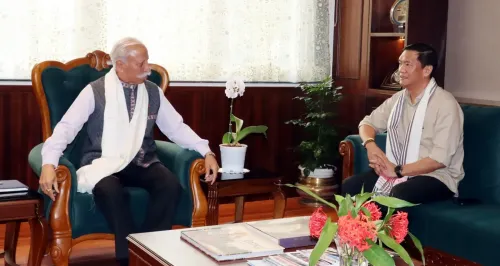
Khandu also met the Arunachal Indigenous Tribes Forum (AITF) and Community-Based Organisations (CBOs) , calling for transparency and open dialogue.
Mobs in Pasighat, East Siang torched an NHPC office and a police station and vandalised residences of two political leaders, including the state BJP President .
More than 40 police personnel were injured during the protests; a 12-hour shutdown was observed across three districts.
The Union Home Ministry dispatched two RAF companies (~250 personnel) to Arunachal Pradesh following the violence.
The United Tani Council (UTC) also called for open dialogue with those opposing the project.
Arunachal Pradesh Chief Minister Pema Khandu on Sunday, 25 October called for transparency and open dialogue on the proposed Siang Upper Multipurpose Project (SUMP), a 11,200-MW hydropower scheme that has triggered violent protests across Siang, Upper Siang, and East Siang districts. The appeal came hours after the Union Home Ministry dispatched two companies of Rapid Action Force (RAF) of the Central Reserve Police Force — approximately 250 personnel — to the region following widespread unrest.
All-Party Meeting and Tribal Consultations
To address mounting concerns, Chief Minister Khandu convened an all-party legislators' meeting on Sunday focused on the Pre-Feasibility Report (PFR) assessing the viability of the giant project. He subsequently held a separate meeting with the Arunachal Indigenous Tribes Forum (AITF) and Community-Based Organisations (CBOs) to discuss the project directly with those most affected.
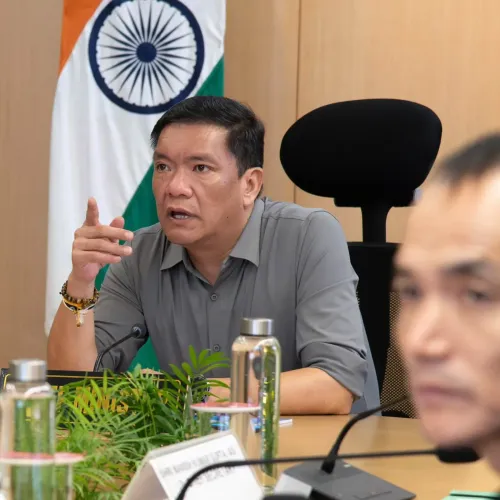
Taking to social media platform X, Khandu wrote: 'Discussed national security, environmental concerns and the concerns of the local people. Our priority is to protect national interests while respecting the rights and aspirations of the people of Siang Valley.' In a second post, he said that 'misinformation and misconceptions surrounding the Siang Upper Multipurpose Project are creating apprehensions among the people,' adding that 'bridging this information gap through facts, transparency and open dialogue is essential.'
Violence in Pasighat: What Happened
The protests turned violent on Friday and Saturday, when mobs in Pasighat — the district headquarters of East Siang — set fire to an NHPC (National Hydroelectric Power Corporation) office and a police station, and vandalised the residences of two political leaders, including the state Bharatiya Janata Party (BJP) President. More than 40 police personnel were injured after protesters allegedly pelted them with stones.
The 12-hour shutdown that preceded the worst violence was jointly called by the Adi Bane Kebang United, the SUMP Affected Area Youth Association, the Siang Indigenous Farmers' Forum Youth Wing, and the Adi Galo Welfare Society across three districts.
Government's Position on Protest and Dialogue
Chief Minister Khandu condemned the incidents in Pasighat as 'regrettable,' acknowledging that peaceful protest was an essential part of democracy but stressing that demonstrations must remain within the bounds of the law. He reiterated that the state government remained open to discussions with all organisations, associations, and stakeholders, including on the project's potential benefits, possible adverse impacts, and community concerns.
Notably, the United Tani Council (UTC), led by President Bamang Taji and Secretary General Nyadar Loya, also called for open dialogue on Sunday with those opposing the SUMP. Council leaders said they had undertaken two visits to the Siang Basin and held consultations with project opponents and other stakeholders — a signal that even pro-dialogue civic groups are taking the opposition seriously.
Strategic and Environmental Stakes
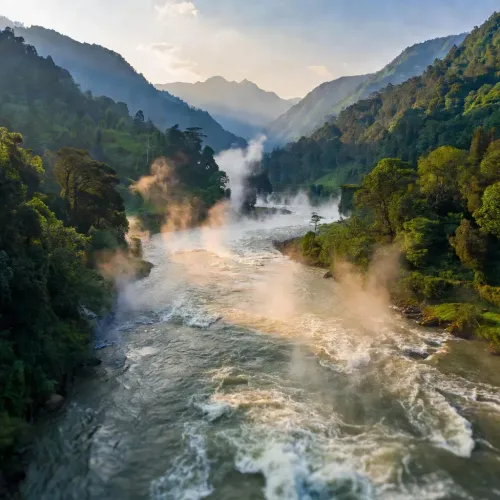
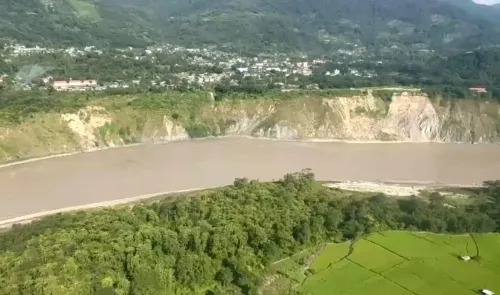
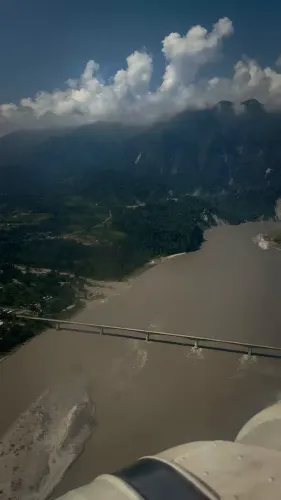
The SUMP, if built, would be one of India's largest hydropower installations, sited in a seismically active and ecologically sensitive zone near the China border. Proponents argue the project carries significant national security value by harnessing the Siang river — the main stem of the Brahmaputra — before it crosses into Bangladesh, a consideration that has grown more urgent amid reports of Chinese dam-building activity upstream in Tibet. Critics, however, cite risks to indigenous livelihoods, forest cover, and downstream flood patterns.
This is not the first time large dam proposals in Arunachal Pradesh have sparked community resistance — the state's hydropower ambitions have faced recurring pushback over displacement, ecological damage, and inadequate consultation. The current unrest, however, marks one of the more intense confrontations in recent memory. With security forces now deployed and multi-party talks under way, the coming days will test whether the government's dialogue framework can defuse tensions before they escalate further.
Point of View
Not consultation — and it raises a pointed question about why the Pre-Feasibility Report was not opened to public scrutiny before protests turned destructive. The national security framing of the Siang project — invoked to justify the dam's urgency — is real but incomplete; it cannot substitute for a credible resettlement and environmental review process. Arunachal Pradesh's hydropower history suggests that projects announced with strategic fanfare and inadequate community buy-in tend to stall for decades, ultimately serving neither national energy goals nor local interests.
NationPress
25 Oct 2026
Frequently Asked Questions
What is the Siang Upper Multipurpose Project (SUMP)?
The Siang Upper Multipurpose Project is a proposed 11,200-MW hydropower scheme on the Siang river in Arunachal Pradesh, one of the largest such projects planned in India. It is sited near the China border and has been framed partly as a national security initiative, though it faces significant opposition from indigenous communities over concerns about displacement, environmental damage, and inadequate consultation.
Why have protests against SUMP turned violent?
Protesters in East Siang district — opposing what they say are inadequate transparency and community consultation on SUMP — called a 12-hour shutdown on Friday, which escalated into mob violence in Pasighat. An NHPC office and a police station were set on fire, residences of two political leaders were vandalised, and more than 40 police personnel were injured after protesters allegedly pelted them with stones.
What steps has the government taken following the unrest?
Chief Minister Pema Khandu convened an all-party legislators' meeting and a separate consultation with the Arunachal Indigenous Tribes Forum and Community-Based Organisations on 25 October. Separately, the Union Home Ministry deployed two companies of Rapid Action Force — approximately 250 personnel — to Arunachal Pradesh to restore order.
Who is opposing the SUMP and why?
The 12-hour shutdown was called by the Adi Bane Kebang United, the SUMP Affected Area Youth Association, the Siang Indigenous Farmers' Forum Youth Wing, and the Adi Galo Welfare Society. Opponents cite risks to indigenous livelihoods, forest cover, downstream flood patterns, and argue that communities have not been given adequate information about the project's impacts.
What is the national security argument for building the Siang dam?
Proponents argue that harnessing the Siang river — the main stem of the Brahmaputra as it enters India — before it crosses downstream carries strategic importance, particularly given reported Chinese dam-building activity on the same river upstream in Tibet. Chief Minister Khandu cited national security alongside environmental and local concerns as a key discussion point at the all-party meeting.