Arunachal CM Pema Khandu calls for dialogue on 11,200-MW Siang project after Pasighat violence
Synopsis
A 12-hour shutdown over the proposed 11,200-MW Siang Upper Multipurpose Project turned violent in Pasighat, with mobs torching an NHPC office and a police station and ransacking the homes of three political leaders. Arunachal Pradesh CM Pema Khandu has condemned the violence and offered to hold talks anywhere in the region — but with 10 activists arrested and indigenous communities demanding a full halt to surveys, the path to dialogue remains fraught.
Key Takeaways
A 12-hour shutdown in Siang , Upper Siang and East Siang districts on 24 October over the proposed 11,200-MW SUMP turned violent after the bandh ended.
Mobs set fire to an NHPC office and a police station in East Siang ; residences of MLA Oni Panyang , MLA Ninong Ering and BJP president Kaling Moyong were ransacked.
Over 150 protesters allegedly armed with machetes and lathis clashed with police; several officers were injured in stone-pelting.
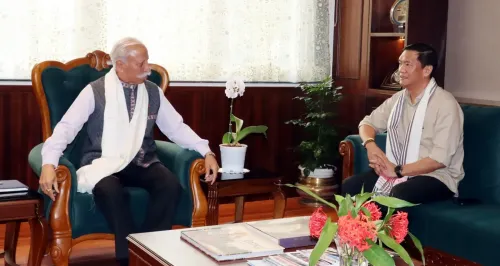
Chief Minister Pema Khandu condemned the violence and offered to hold talks in Itanagar , Pasighat or any location chosen by stakeholders.
Protesting groups demand release of 10 arrested activists , reinstatement of suspended village headmen, and withdrawal of pre-feasibility survey activities.
The Arunachal Pradesh Congress demanded an independent inquiry into the alleged use of tear gas against protesters.
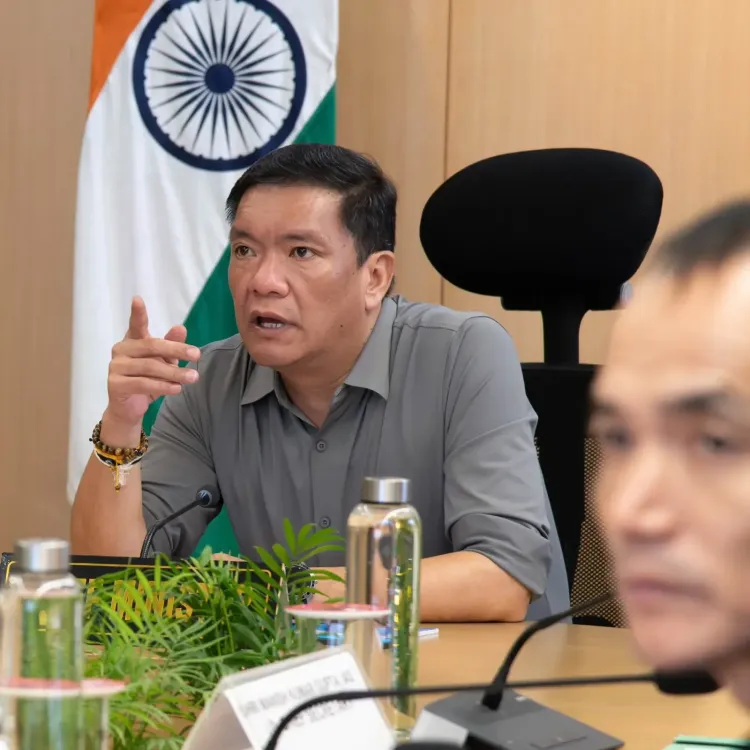
Arunachal Pradesh Chief Minister Pema Khandu on Saturday, 24 October condemned incidents of arson, looting and vandalism in Pasighat that followed a 12-hour shutdown across three districts — Siang, Upper Siang and East Siang — called to protest the proposed Siang Upper Multipurpose Project (SUMP), a hydropower scheme with a planned generation capacity of 11,200 MW. Khandu urged all stakeholders to pursue their concerns through dialogue rather than disruption, saying the government's doors remained open for discussions on the project.
What Happened in Pasighat
The bandh, which remained largely peaceful through the day in Siang and Upper Siang districts, turned violent after it formally ended, with clashes continuing into the early hours of Saturday until around 3.30 am, according to Khandu. Mobs set fire to an office of the National Hydroelectric Power Corporation (NHPC) and a police station in East Siang district, according to a senior police official.
The residences of local MLA Oni Panyang, senior MLA Ninong Ering, and state Bharatiya Janata Party (BJP) president Kaling Moyong were ransacked and looted, Khandu confirmed. The Adi Baane Kebang (ABK) complex was also among the properties damaged. Several police personnel were injured after protesters allegedly pelted them with stones in Pasighat, the district headquarters of East Siang.
According to police, over 150 protesters, reportedly armed with machetes, lathis and slingshots, attempted to vandalise police vehicles and breach barricades before hurling stones at security personnel. Clashes were also reported near Ranaghat Bridge in Mebo, where protesters allegedly threw stones at police.
The Chief Minister's Response
Addressing the media, Khandu described the incidents as 'regrettable' and called upon all sections of society to maintain peace. He underscored that while the right to peaceful protest was a cornerstone of democracy, demonstrations must remain within the bounds of the law and must not result in damage to property or disruption of public order.
'The government's doors are always open. Any organisation or association that wants to discuss the SUMP project is welcome. People should question the government, discuss the possible benefits and negative aspects of the project, and seek clarification on their concerns,' Khandu said.
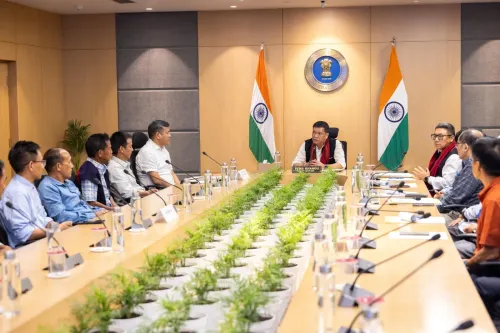
The Chief Minister offered to meet representatives of organisations from the Siang region in Itanagar, Pasighat, or at any location convenient to them, and said he was willing to travel to a venue proposed by stakeholders, accompanied by relevant government departments.
Demands of the Protesting Organisations
The 12-hour shutdown was jointly called by the Adi Bane Kebang United, the SUMP Affected Area Youth Association, the Siang Indigenous Farmers' Forum Youth Wing and the Adi Galo Welfare Society. The organisations are demanding the release of 10 arrested activists, reinstatement of suspended village headmen (locally called 'Gaon Buras'), withdrawal of all pre-feasibility survey activities related to the proposed project, and removal of paramilitary and central forces deployed in the region.
The state government has clarified that activities currently under way are limited to technical and environmental surveys for preparing a pre-feasibility report (PFR) to assess the project's viability — and that no construction has been sanctioned.
Political Reactions and Background
The opposition Arunachal Pradesh Congress strongly condemned the violence but also demanded an independent inquiry into the reported use of tear gas shells against protesters during the shutdown. The party's dual condemnation — of both the arson and the alleged use of force — reflects the politically charged atmosphere surrounding the SUMP project.
Notably, the SUMP has been a flashpoint in the Siang valley for months, with indigenous communities expressing fears about displacement, ecological damage and inadequate consultation. Khandu reiterated that public consensus would remain central to the process of taking the project forward, and called for round-table discussions to address concerns and clarify doubts. How quickly those talks materialise will determine whether the standoff de-escalates or deepens.
Point of View
However genuine, arrives late. The demand to halt even pre-feasibility surveys signals that trust between the administration and indigenous communities in the Siang valley has already eroded significantly. Without a credible, time-bound engagement process that addresses displacement and ecological concerns upfront, the pattern of shutdown-violence-appeal risks repeating itself as the project moves closer to formal sanction.
NationPress
24 Oct 2026
Frequently Asked Questions
What is the Siang Upper Multipurpose Project (SUMP)?
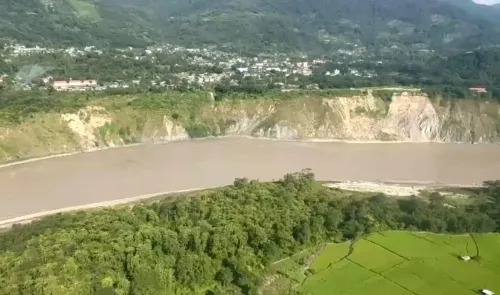
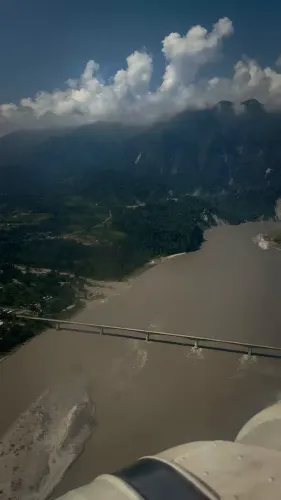
The SUMP is a proposed hydropower project in Arunachal Pradesh with a planned generation capacity of 11,200 MW, located in the Siang river valley. The state government says activities currently under way are limited to technical and environmental surveys for a pre-feasibility report, and no construction has been sanctioned yet.
Why did violence break out in Pasighat on 24 October?
Violence erupted after a 12-hour shutdown called by indigenous and community organisations to protest the proposed SUMP turned violent once the bandh period ended. Mobs set fire to an NHPC office and a police station, and ransacked the residences of two MLAs and the state BJP president, with clashes continuing until around 3.30 am on Saturday.
What are the protesting organisations demanding?
The four organisations that called the shutdown are demanding the release of 10 arrested activists, reinstatement of suspended village headmen (Gaon Buras), withdrawal of all pre-feasibility survey activities linked to the SUMP, and removal of paramilitary and central forces from the region.
What has Chief Minister Pema Khandu offered to do?
Khandu has condemned the violence and offered to hold dialogue with any organisation or association in Itanagar, Pasighat, or at a location of the stakeholders' choosing. He said he is willing to travel to a venue proposed by the communities, accompanied by the relevant government departments, to discuss the project's benefits, risks and community concerns.
What is the Arunachal Pradesh Congress's position on the protests?
The Arunachal Pradesh Congress has condemned the violence but simultaneously demanded an independent inquiry into the reported use of tear gas shells against protesters during the shutdown, reflecting concerns about the state's handling of the agitation.