CMFRI supplies one million mussel seeds to Maharashtra in six months
Synopsis
India's top marine fisheries institute, CMFRI, has quietly delivered one million hatchery-produced mussel seeds to Maharashtra in just six months — backed by government funding and hands-on training for 30 state officials. It is a rare case of scientific research converting directly into livelihood infrastructure for coastal and tribal communities, with oyster farming added to the mix.
Key Takeaways
CMFRI, Kochi has supplied one million hatchery-produced green mussel seeds to Maharashtra over six months under PMMSY .
The latest consignment was five lakh seeds ; an additional one lakh oyster seeds have also been supplied.
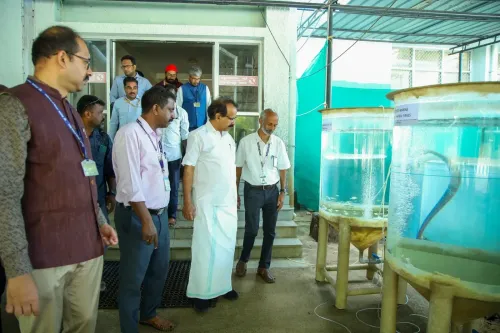
Seeds were produced at CMFRI's Vizhinjam Regional Centre in Thiruvananthapuram .
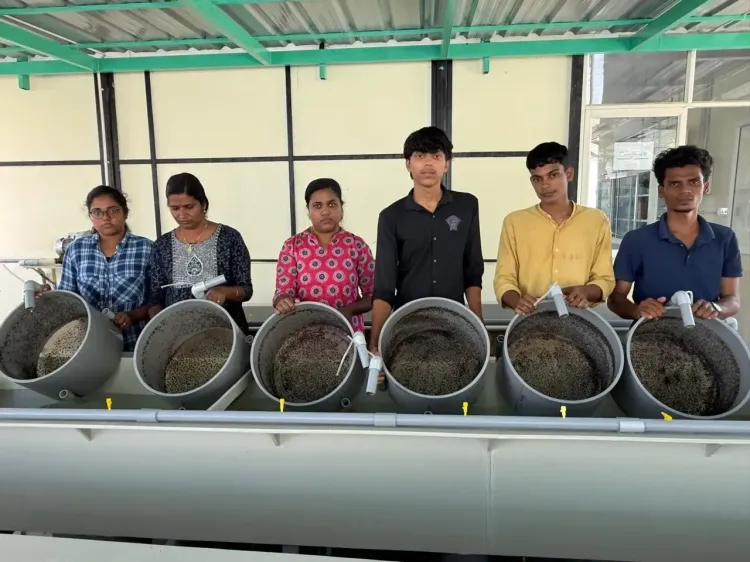
30 officials of Maharashtra's Mangrove Cell have been trained in nursery rearing and bivalve farming techniques.
The project is supported by the Union government's Department of Fisheries and partnered with Maharashtra's Mangrove and Marine Biodiversity Conservation Foundation .
Actual livelihood gains will depend on seed survival, farmer adoption, and market development for harvested produce.
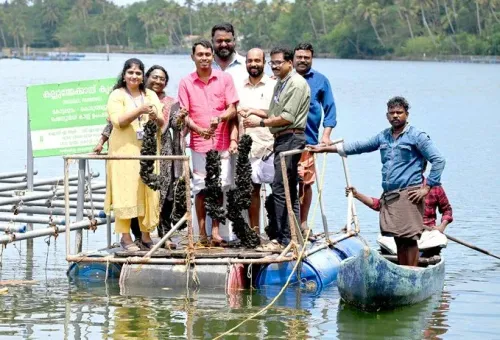
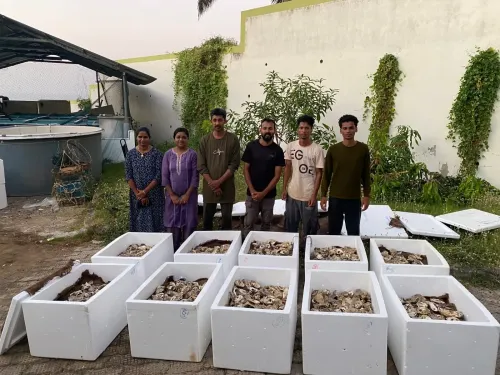
ICAR-Central Marine Fisheries Research Institute (CMFRI), India's national marine fisheries research body based in Kochi, Kerala, has supplied one million hatchery-produced green mussel seeds to Maharashtra over the past six months, in a bid to promote sustainable coastal farming and open alternative livelihood channels for fishing and tribal communities along the state's coastline. The latest consignment comprised five lakh seeds, taking the cumulative total to one million.
In addition, CMFRI has supplied one lakh oyster seeds to the state, further expanding the scope of the bivalve farming initiative.
Source of the Seeds
The seeds were produced at CMFRI's bivalve hatchery located at its Vizhinjam Regional Centre in Thiruvananthapuram, under the Union government's flagship aquaculture scheme, the Pradhan Mantri Matsya Sampada Yojana (PMMSY). The green mussel seeds measure between 2 and 4 millimetres at the time of supply.
What the Initiative Aims to Achieve
'The initiative is aimed at translating marine fisheries research into livelihood opportunities by promoting sustainable bivalve farming along the Maharashtra coast,' said CMFRI Director Dr Grinson George. The programme intends to shift coastal communities away from total dependence on naturally available shellfish stocks by providing a consistent, scientifically produced seed supply.
The supplied seeds will be used to develop farming activities with the support of Maharashtra's Mangrove and Marine Biodiversity Conservation Foundation. The project is backed by the Union government's Department of Fisheries, and also seeks to explore the integration of shellfish farming with mangrove conservation efforts.
Training and Capacity Building
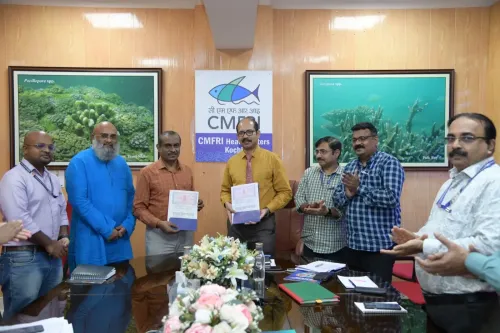
CMFRI has trained 30 officials of Maharashtra's Mangrove Cell in nursery rearing and farming techniques for both mussels and oysters. The training programme was led by a scientific team headed by Principal Scientist Dr M.K. Anil. According to Anil, the trained officials are expected to facilitate technology transfer to local communities and provide hands-on guidance to prospective farmers.
Why Bivalve Farming Matters
Bivalves — which include mussels and oysters — are filter-feeding shellfish that can be cultivated in suitable coastal waters with relatively limited external inputs once farms are established, provided water quality and environmental conditions remain favourable. CMFRI's hatchery technology directly addresses a longstanding constraint in shellfish farming: the seasonal and location-dependent availability of natural seeds. A dependable hatchery-produced supply allows farmers to plan cultivation more consistently and reduces the risk of seasonal shortfalls.
The institute noted that combining mussel and oyster farming could diversify income sources for coastal fishers and tribal communities. However, actual livelihood benefits will depend on the adoption rate of farming practices, seed survival rates, and the development of viable markets for harvested produce.
With Maharashtra's coastline stretching over 720 kilometres, the initiative positions the state as a potential growth hub for marine bivalve aquaculture — an industry that has remained largely underdeveloped compared to India's southeastern coast.
Point of View
But because it closes a gap that has long stifled Indian shellfish aquaculture: unreliable seed supply. By anchoring the supply chain in a government hatchery and embedding capacity through official training, CMFRI is attempting a model that outlasts the project cycle. The harder question — whether Maharashtra's coastal and tribal communities will actually adopt bivalve farming at commercially viable scale — depends on market linkages and post-harvest support that the current announcement does not yet address. India's aquaculture growth story has repeatedly stalled at the last mile.
NationPress
24 Oct 2026
Frequently Asked Questions
What has CMFRI supplied to Maharashtra and why?
CMFRI has supplied one million hatchery-produced green mussel seeds and one lakh oyster seeds to Maharashtra over the past six months to promote coastal bivalve farming and create livelihood opportunities for fishing and tribal communities. The initiative is funded under the Pradhan Mantri Matsya Sampada Yojana.
Where are the mussel seeds produced?
The seeds are produced at CMFRI's bivalve hatchery at its Vizhinjam Regional Centre in Thiruvananthapuram, Kerala. The hatchery technology ensures a consistent supply independent of seasonal natural seed availability.
Who will use these seeds and how?
The seeds will be used to develop mussel and oyster farming activities along the Maharashtra coast, with support from Maharashtra's Mangrove and Marine Biodiversity Conservation Foundation. Thirty officials of Maharashtra's Mangrove Cell have been trained to guide local farmers in nursery rearing and cultivation techniques.
What is the Pradhan Mantri Matsya Sampada Yojana and how does it relate to this project?
The Pradhan Mantri Matsya Sampada Yojana (PMMSY) is the Union government's flagship fisheries development scheme aimed at boosting aquaculture, fish production, and fisher livelihoods. The CMFRI mussel and oyster seed supply programme is funded under PMMSY and supported by the Department of Fisheries.
What are the challenges to the success of this bivalve farming initiative?
According to CMFRI, actual livelihood benefits will depend on farmer adoption of the new techniques, survival rates of the supplied seeds, and the availability of viable markets for harvested mussels and oysters. Suitable farming sites, consistent water quality monitoring, and good farming practices are also essential for successful cultivation.