CMFRI drafts India's first marine ecolabelling guidelines for seafood exports
Synopsis
India is moving to regulate who certifies its seafood — and on whose terms. CMFRI's draft National Guidelines for Marine Ecolabelling would assert sovereign oversight over international certification bodies, mandate inclusion of artisanal fishers, and potentially birth an indigenous Indian ecolabel. For a nation that exports billions in seafood, this framework could reshape market access and fisher livelihoods simultaneously.
Key Takeaways
CMFRI is drafting India's first National Guidelines for Marine Ecolabelling , based in Kochi .
The framework will regulate all marine ecolabelling certification activities within India, including those by international agencies.
Traditional and small-scale fishing communities must have an equitable role in certification and must benefit from sustainability initiatives under the draft.
All certification activities must comply with Indian fisheries laws , biodiversity norms, seafood safety standards, and coastal aquaculture rules.
The guidelines explore developing an indigenous Indian marine ecolabel to complement international certification systems.
The initiative aims to balance environmental sustainability , export growth , and livelihood security for millions dependent on marine fisheries.
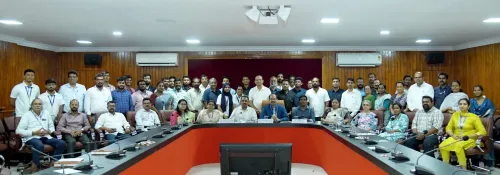
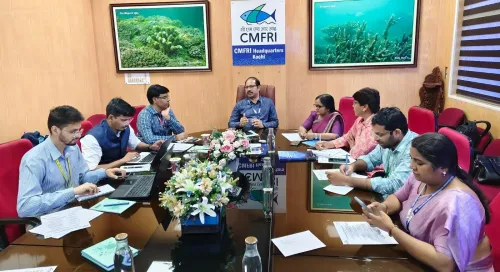
ICAR-Central Marine Fisheries Research Institute (CMFRI) is drafting India's first National Guidelines for Marine Ecolabelling, a landmark step toward certifying sustainable seafood and strengthening the country's position in premium global markets. The draft discussion paper, developed at Kochi, proposes a national mechanism to regulate and oversee marine ecolabelling programmes operating in India, at a time when international demand for sustainability-certified seafood is rising sharply.
What the Guidelines Propose
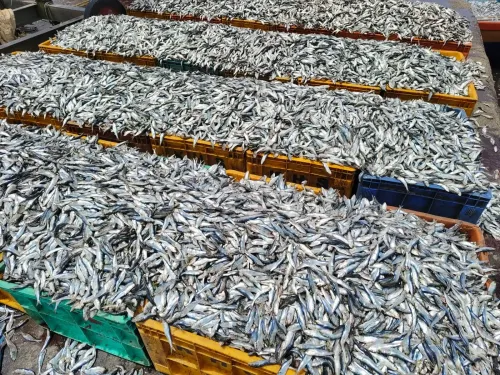
The draft framework calls for a centralised oversight mechanism that will govern all marine ecolabelling certification activities within India. It mandates compliance with Indian fisheries laws, state-level regulations, biodiversity conservation norms, seafood safety standards, and coastal aquaculture rules. A strong emphasis on traceability across the seafood value chain is built into the proposal, ensuring that products reaching global markets can be verifiably linked to responsible harvesting practices.
The guidelines also explore the possibility of developing an indigenous Indian marine ecolabel that can complement internationally recognised certification systems — a move that could reduce dependence on foreign certification bodies whose presence in the Indian seafood sector is reportedly expanding.
Protecting Small-Scale and Artisanal Fishers
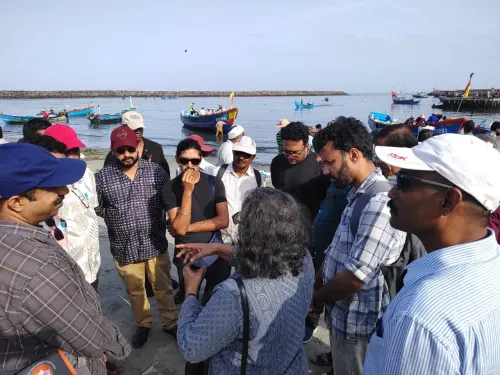
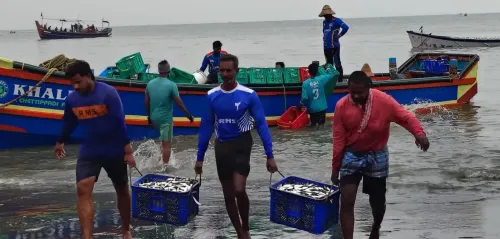
A defining feature of the proposed guidelines is their focus on traditional and small-scale fishing communities. CMFRI has flagged that certification systems driven purely by market forces risk unintentionally excluding artisanal fishers who lack the institutional capacity to navigate complex compliance processes. The draft mandates that coastal and traditional fishing communities must have an equitable role in certification processes and must benefit from sustainability initiatives — not merely be subject to them.
This is a significant safeguard. Globally, ecolabelling has often favoured large-scale industrial fisheries that can absorb compliance costs, while smaller operators have been edged out of premium markets. The CMFRI framework attempts to pre-empt that outcome in the Indian context.
Sovereign Rights and the EEZ Dimension
The proposed guidelines explicitly affirm India's sovereign rights over marine resources within its Exclusive Economic Zone (EEZ). All certification activities — including those run by international agencies — will be required to operate within India's domestic legal framework. This assertion of regulatory authority is notable as several global certification bodies are looking to expand operations in the Indian seafood sector.
This comes amid growing scrutiny of foreign-led sustainability standards in developing economies, where critics argue that certification frameworks designed in the Global North can embed trade barriers rather than genuine environmental safeguards.
Why It Matters for India's Seafood Trade
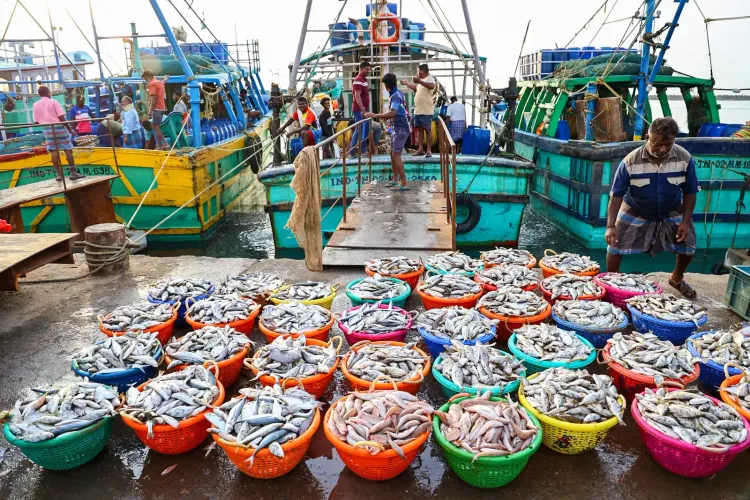
India is one of the world's largest seafood exporters, and access to premium markets in the European Union, United States, and Japan increasingly hinges on sustainability credentials. Without a national ecolabelling framework, Indian exporters have had to rely on individual international certifications, adding cost and complexity. A nationally recognised standard could streamline this process and improve the competitiveness of Indian seafood at scale.
The initiative is expected to create a balance between environmental sustainability, export growth, and livelihood security for the millions of people dependent on marine fisheries across India's coastline. The draft guidelines are currently at the discussion stage, with broader stakeholder consultation anticipated before finalisation.
Point of View
But the real test is implementation. Globally, sustainability certification has a troubling track record of functioning as a market-access filter that favours large industrial operators over small-scale fishers — the very communities CMFRI says it wants to protect. The inclusion of artisanal fisher equity as a mandatory condition, not an aspiration, is the most consequential clause in this draft. Whether that survives contact with industry lobbying and international certification bodies will determine if this framework is genuinely transformative or just regulatory scaffolding around the status quo.
NationPress
15 Sept 2026
Frequently Asked Questions
What are India's National Guidelines for Marine Ecolabelling?
They are a proposed national framework being drafted by CMFRI to regulate and oversee marine ecolabelling certification programmes in India. The guidelines aim to ensure that seafood certified as sustainable meets Indian legal, environmental, and social standards, while also protecting the interests of small-scale fishing communities.
Why is CMFRI developing these ecolabelling guidelines?
Global demand for sustainability-certified seafood is rising sharply, and several international certification agencies are expanding into the Indian seafood sector. CMFRI is developing the guidelines to assert India's sovereign oversight over these processes, improve export competitiveness, and prevent artisanal fishers from being excluded by market-driven certification systems.
How will the guidelines protect small-scale and artisanal fishers?
The draft mandates that traditional and coastal fishing communities must have an equitable role in certification processes and must benefit from sustainability initiatives. This is designed to prevent certification systems from inadvertently favouring large industrial fisheries over smaller operators.
What is the significance of the proposed indigenous Indian marine ecolabel?
An indigenous Indian ecolabel would reduce reliance on foreign certification bodies and could provide a nationally recognised sustainability credential for Indian seafood exporters. It would complement existing international certifications while operating within India's own regulatory framework.
What rules must ecolabelling certification activities follow under the proposed framework?
All certification activities must comply with Indian fisheries laws, state-level regulations, biodiversity conservation norms, seafood safety standards, and coastal aquaculture rules. Traceability across the seafood value chain is also a core requirement, ensuring products can be linked to responsible harvesting practices.