Should Fishers Adhere to CMFRI's Warning on Juvenile Sardine Fishing?
Synopsis
Discover why the CMFRI is urging fishers to protect juvenile sardines and adhere to legal size regulations. This crucial advisory not only impacts the sustainability of sardine fisheries but also safeguards the livelihoods of coastal communities in Kerala.
Key Takeaways
Adhere to Minimum Legal Size (MLS) of 10 cm for Indian Oil Sardine.
Protecting juvenile sardines is essential for sustainable fishery practices.
Recent studies show a surge in sardine recruitment due to favorable environmental conditions.
Regulated harvesting of sardines should target fish above the MLS.
Compliance with MLS supports long-term resilience of coastal livelihoods.
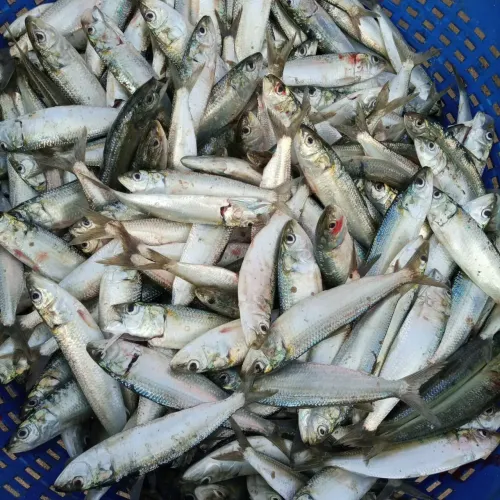
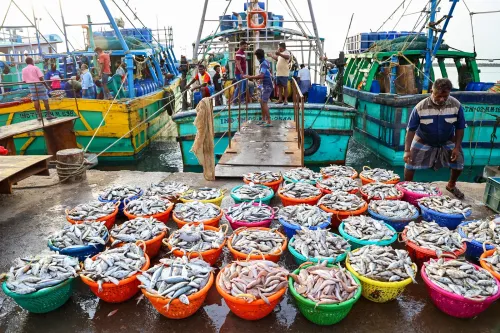
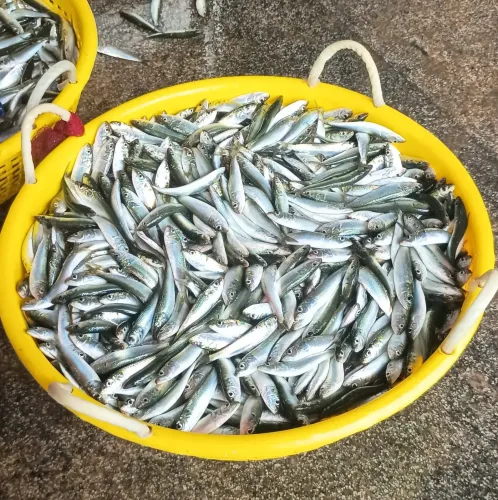
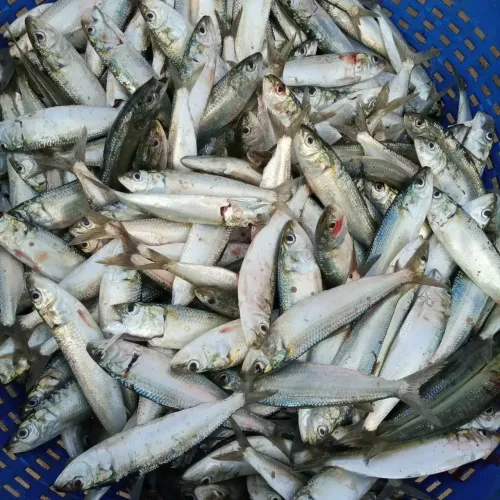
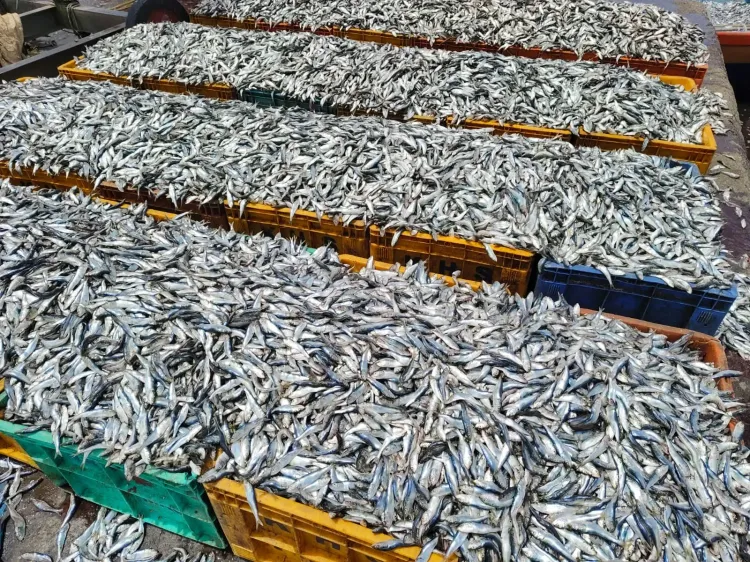
Kochi, Oct 13 (NationPress) The ICAR-Central Marine Fisheries Research Institute (CMFRI) has urged fishers to follow sustainable harvesting practices and respect the Minimum Legal Size (MLS) of 10 cm for the Indian Oil Sardine, especially after a remarkable increase in juvenile sardine populations along the Kerala coast.
The CMFRI stressed that adherence to MLS is vital for protecting both the livelihoods of coastal communities and the long-term viability of the sardine fishery, which serves as a crucial source of protein and income.
According to a recent CMFRI study, there was an astonishing rise in sardine recruitment in 2024, marking the highest level since 2020.
This growth has been bolstered by favorable rainfall patterns and monsoon-driven upwelling, which have enriched coastal waters with nutrients and increased microplankton availability, providing abundant food for young sardines.
However, this increase has also intensified competition among recruits, leading to reduced weight gain for zero-year-class fish.
In response to common misconceptions about the study, CMFRI Director Dr. Grinson George clarified: "Our findings do not suggest that juvenile sardines will not mature further. Fishing for juveniles should be avoided at all costs. Protecting young fish is crucial for ensuring the long-term sustainability of the sardine fishery and the livelihood security of fishing communities."
The institute recommends a regulated harvest that targets only fish above the MLS.
Dr. George stated: "While coastal waters continue to be productive and recruitment remains high, effective exploitation should be confined to fish above the MLS to ensure sustainability."
CMFRI Principal Scientist Dr. U. Ganga added: "The sardine fishery is particularly sensitive to environmental changes, leading to typical ‘boom and bust’ cycles. Preventing juvenile fishing and adhering to sustainable practices are essential to reduce the risk of future downturns in this critical coastal resource."
CMFRI’s advisory highlights the significance of sustainable fishing practices in maintaining the economic and ecological value of the Indian Oil Sardine, which is a cornerstone of Kerala’s small-scale fisheries sector.
Compliance with the MLS not only aids in the recovery of sardine populations but also ensures the long-term resilience of coastal livelihoods and food security in the region.
Point of View
It's imperative to highlight the importance of sustainable fishing practices advocated by the CMFRI. With the increasing juvenile sardine populations, adherence to the Minimum Legal Size is not merely a recommendation; it is essential for preserving the economic stability and ecological balance of our coastal regions.
NationPress
24 Sept 2026
Frequently Asked Questions
What is the Minimum Legal Size for Indian Oil Sardine?
The Minimum Legal Size (MLS) for Indian Oil Sardine is 10 cm , as emphasized by the CMFRI to promote sustainable fishing practices.
Why is it important to protect juvenile sardines?
Protecting juvenile sardines is crucial for ensuring their growth and the long-term sustainability of the sardine fishery, which supports coastal livelihoods.
What factors contributed to the surge in sardine populations?
Favorable rainfall patterns and monsoon-driven upwelling enriched coastal waters, leading to increased nutrient availability and supporting young sardine populations.
How does juvenile fishing affect sardine populations?
Juvenile fishing can hinder the recovery of sardine populations, as young fish need to mature to contribute to sustainable fisheries.
What recommendations does CMFRI provide to fishers?
CMFRI recommends targeting only fish above the Minimum Legal Size (MLS) to maintain the sustainability of sardine fisheries.