Can India Become a Global Leader in Quantum Technology?

Synopsis
With NITI Aayog's new roadmap, India sets its sights on becoming a leader in quantum technology. This ambitious plan aims to harness quantum advancements to transform various sectors, ensuring India is at the forefront of this revolutionary field. Discover how this initiative can redefine India's global standing and influence the future of technology.
Key Takeaways
NITI Aayog's roadmap aims to transform India into a quantum-powered economy.
Quantum technologies will impact multiple sectors, including healthcare and national security.
The initiative emphasizes collective ownership among various stakeholders.
India seeks to redefine its global position in the emerging quantum landscape.
Developing specialized talent is vital for future success in quantum technology.
New Delhi, Dec 4 (NationPress) — The Frontier Tech Hub of NITI Aayog unveiled a strategic roadmap aimed at propelling India into the forefront of a quantum-powered economy on Thursday. The report emphasizes that quantum technologies are on the verge of becoming a major transformative influence in various sectors such as healthcare, finance, logistics, materials, energy, and national security.
NITI Aayog highlighted that nations which take decisive actions today will not only grasp the next generation of computing, communication, and sensing capabilities, but will also influence the global landscape of innovation and trust.
For India, the potential of quantum extends beyond mere technological advancements. It embodies an opportunity to redefine its global standing—leading in this pioneering area instead of trailing behind established players.
Quantum is not just another innovation sector; it serves as the cornerstone for the forthcoming age of artificial intelligence, biotechnology, advanced materials, and secure digital infrastructure.
The roadmap set forth by NITI Aayog delineates specific imperatives and actionable strategies for achieving this vision by capitalizing on the existing National Quantum Mission.
It offers an extensive evaluation of India’s current standing, strategic assets, and critical deficiencies while pinpointing essential interventions to expedite R&D, commercialization, and ecosystem growth.
This roadmap stresses the importance of collective responsibility among policymakers, scientists, entrepreneurs, investors, and states to establish a globally trusted and competitive quantum economy.
“Quantum computing signifies a pivotal moment where technology transcends mere speed and scale, tackling challenges once deemed insurmountable—from drug discovery and climate modeling to national security and advanced materials,” remarked D. Sridhar Babu, Minister of Information Technology, Electronics & Communications in Telangana.
In recent years, global investment in quantum technology has surged more than tenfold, indicating that this field is no longer experimental but an unavoidable reality. Telangana is entering this phase with purpose and readiness.
“We are establishing robust research capabilities, cultivating skilled personnel, and paving the way for industry innovation and deployment. Our ambition extends beyond mere adoption; we strive for active participation and leadership in shaping the quantum landscape,” he added.
“Quantum technologies are swiftly evolving into a fundamental driver of economic growth, national security, and scientific inquiry. For India to attain developed nation status by 2047, we must assimilate quantum computing, secure communication, precision sensing, and advanced materials into vital national missions and industrial sectors,” stated Dr. V.K. Saraswat, NITI Aayog Member.
The National Quantum Mission has already facilitated significant early advancements, and this roadmap outlines the milestones essential for expanding capabilities, developing specialized talent, and establishing globally competitive platforms.
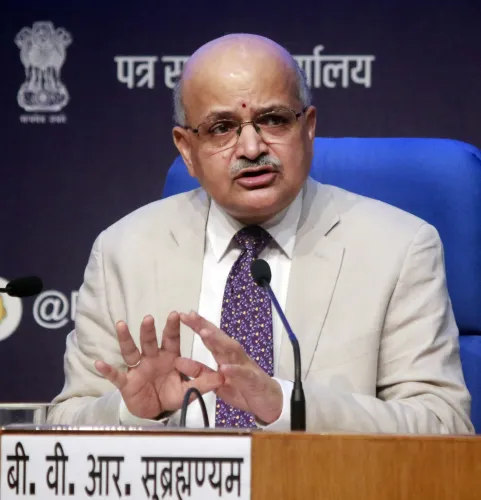
Meanwhile, B.V.R. Subrahmanyam, CEO of NITI Aayog, emphasized that the upcoming five years will determine whether India will emerge as a global supplier of quantum technologies or remain reliant on others.
“We must harness our unparalleled talent pool, engineering prowess, and digital public infrastructure to forge a quantum-powered India: a nation that is globally trusted, economically competitive, and strategically secure,” he concluded.
Point of View
I firmly believe that India's aspiration to lead in quantum technology is not just an ambitious dream but a necessary step towards global competitiveness. The roadmap by NITI Aayog is a pivotal move that could redefine our economic landscape, provided we foster collaboration among all stakeholders. It's essential for the nation to unify efforts to harness this transformative technology for a robust future.
NationPress
20 Sept 2026
Frequently Asked Questions
What is the National Quantum Mission?
The National Quantum Mission is an initiative aimed at advancing quantum technology in India, facilitating research, development, and commercialization.
How will quantum technology impact various sectors?
Quantum technology is expected to revolutionize sectors such as healthcare, finance, logistics, materials, energy, and national security.
Why is India focusing on quantum technology now?
India aims to lead in quantum technology to redefine its global standing and ensure economic growth by leveraging this transformative field.
What are the key components of the roadmap released by NITI Aayog?
The roadmap outlines imperatives for R&D, commercialization, and ecosystem development while emphasizing collective ownership among stakeholders.
What role does talent development play in this initiative?
Developing specialized talent is crucial for India to build capabilities and remain competitive in the global quantum economy.