CMFRI's STI Hub builds 84 women-led enterprises across coastal Kerala
Synopsis
India's premier marine fisheries research body has quietly built an entrepreneurship pipeline along Kerala's coast — 84 micro-businesses, 141 training sessions, and a 30–35% income lift for vulnerable coastal families, many from Scheduled Caste communities. The CMFRI model, backed by DST funding, is now being positioned as a national template for inclusive fisheries growth.
Key Takeaways
CMFRI has established 84 micro-enterprises across 8 districts in Kerala under its STI Hub initiative.
The programme has directly benefited 469 people , including 220 women and 6 transgender persons ; around 2,500 more are expected to benefit indirectly.
Household incomes among beneficiaries rose by 30–35 per cent , according to project lead Dr Vipinkumar V.P.
141 training programmes were conducted covering cage fish farming, seafood value addition, aquarium technology, and more.
The initiative is funded by the Department of Science and Technology (DST) and facilitated market access through CMFRI's Krishi Vigyan Kendra .
Women Farmers' Day will be observed at entrepreneur Dr Akhilamol's farm in Kodungallur on Thursday.
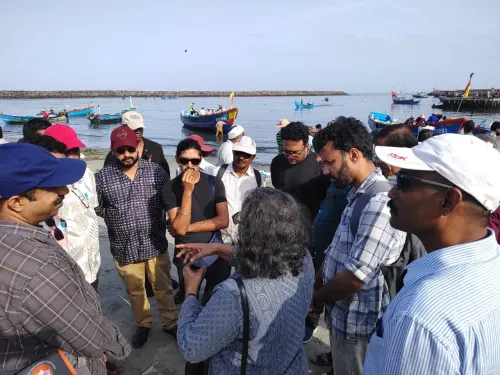
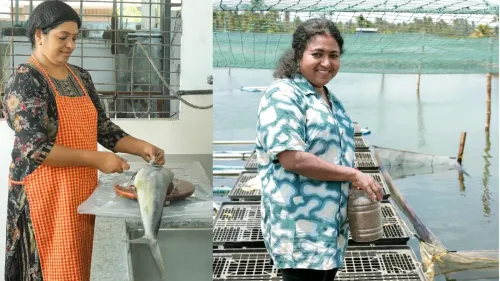
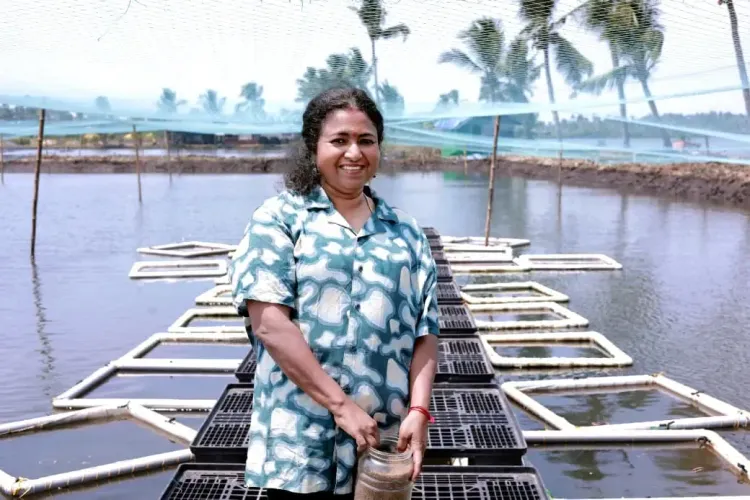
The ICAR-Central Marine Fisheries Research Institute (CMFRI) has established 84 micro-enterprises across eight districts in Kerala under its Science, Technology and Innovation (STI) Hub initiative, transforming women from coastal fishing communities into entrepreneurs, skilled producers, and business owners in the fisheries value chain.
The programme, funded by the Department of Science and Technology (DST), has directly benefited 469 people — including 220 women and six transgender persons — with approximately 2,500 others expected to gain indirectly.
Income gains and community reach
An impact assessment found that household incomes among direct beneficiaries rose by 30–35 per cent, according to Dr Vipinkumar V.P., Principal Scientist at CMFRI and the project's lead researcher. Many beneficiaries come from Scheduled Caste families in coastal communities, for whom the programme has opened a pathway toward sustained economic independence.
The CMFRI conducted 141 training programmes to equip participants with both technical knowledge and business skills required to establish and manage their enterprises.
What the enterprises cover
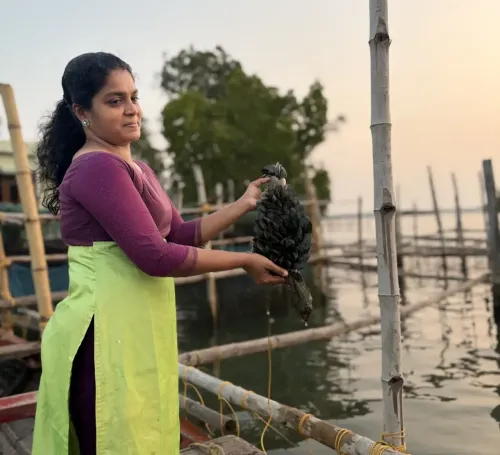
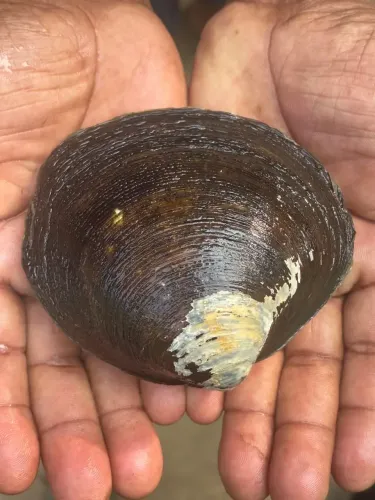
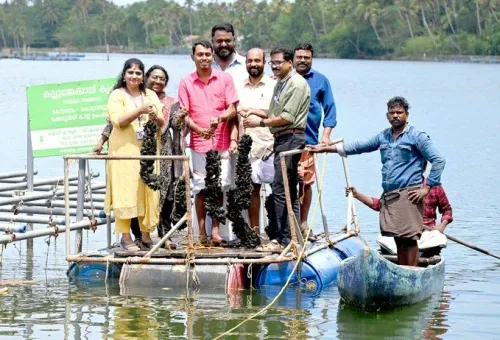
The range of ventures is notably diverse. Beneficiaries have taken up cage fish farming, pearl spot seed production, ornamental fish culture, and the cultivation of mussels, oysters, and clams. Others have moved into integrated fish farming, seafood value addition, fish vending, and dry fish production.
Specialised skills developed through the initiative include cage fabrication, aquarium technology, integrated farming, and the distribution of fish seed and broodstock — areas that go well beyond conventional livelihood roles.
Technology transfer and market access
CMFRI supported the enterprises through technology transfer, practical training, and entrepreneurial guidance. Market linkages were facilitated via its Agricultural Technology Information Centre and Krishi Vigyan Kendra.
'The initiative helped women move beyond traditional livelihood roles to become producers, skilled service providers and business owners in the fisheries value chain,' said Dr Vipinkumar.
CMFRI Director Dr Grinson George described the STI Hub as a replicable model for driving inclusive growth in the fisheries sector nationwide. He noted that the project demonstrated how scientific knowledge could be channelled into tangible economic opportunities for coastal communities.
Women Farmers' Day event in Kodungallur
CMFRI will mark Women Farmers' Day on Thursday at the farm of Dr Akhilamol in Kodungallur, a national award-winning entrepreneur and beneficiary of the STI Hub. The event will spotlight the achievements of women who have built sustainable livelihoods through fisheries-based enterprises. The Kodungallur gathering is being seen as an opportunity to document and publicise replicable success stories from the initiative.
Point of View
But the harder question is sustainability once institutional support recedes. India's fisheries sector remains chronically under-capitalised at the micro-enterprise level, and market access without long-term cold-chain infrastructure tends to plateau quickly. If CMFRI is serious about replication, the next phase needs documented exit data — how many of these 84 enterprises are self-sustaining two years on — not just beneficiary counts.
NationPress
14 Oct 2026
Frequently Asked Questions
What is the CMFRI STI Hub initiative in Kerala?
The CMFRI STI Hub is a Department of Science and Technology-funded programme that helps women and marginalised communities in coastal Kerala set up fisheries-based micro-enterprises. It has established 84 such enterprises across eight districts, directly benefiting 469 people.
How much have incomes increased for beneficiaries?
An impact assessment found that household incomes among direct beneficiaries rose by 30–35 per cent, according to project lead Dr Vipinkumar V.P. of CMFRI. This improvement is attributed to new enterprise income from fish farming, seafood processing, and related activities.
Who are the beneficiaries of the CMFRI programme?
The programme has directly benefited 469 people, including 220 women and 6 transgender persons, many of them from Scheduled Caste families in coastal communities. Around 2,500 others are expected to benefit indirectly through the wider economic activity created.
What kinds of businesses have been set up under the initiative?
Enterprises range from cage fish farming, pearl spot seed production, and ornamental fish culture to mussel, oyster, and clam cultivation, as well as seafood value addition, dry fish production, and aquarium technology services. Beneficiaries have also been trained in cage fabrication and fish seed distribution.
Can this model be replicated in other states?
CMFRI Director Dr Grinson George has described the STI Hub as a replicable model for inclusive growth in the fisheries sector. The institute's use of its Krishi Vigyan Kendra and Agricultural Technology Information Centre for market linkages provides an institutional framework that other coastal states could potentially adopt.