Bhupender Yadav: Vocal for Local now reaching world markets
Synopsis
Union Environment Minister Bhupender Yadav declared on October 25, 2026, that the 'Vocal for Local' spirit is now pushing Indian products into world markets, amplifying a Mann Ki Baat theme rooted in the 2020 Atmanirbhar Bharat framework.
Key Takeaways
Union Environment Minister Bhupender Yadav posted on October 25, 2026 linking 'Vocal for Local' to India's expanding global export reach.
The post was explicitly tied to #MannKiBaat , PM Modi's monthly radio address, indicating the theme featured in that episode. 'Vocal for Local' was first promoted by PM Narendra Modi as part of the Atmanirbhar Bharat package announced in May 2020 .
The initiative sits within a longer Make in India policy arc linking domestic production incentives to export competitiveness.
Local manufacturers and exporters are the primary stakeholders; the commerce ministry's monthly export data will test the narrative against real numbers.
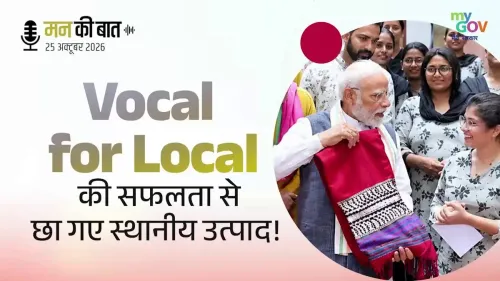
A slogan born in the pandemic is now being measured in export terminals. Union Environment Minister Bhupender Yadav underlined on Sunday, October 25, 2026, that the 'Vocal for Local' spirit has crossed domestic borders and is actively pushing Indian products into global markets — sharing the message in the context of Prime Minister Narendra Modi's monthly radio programme Mann Ki Baat.
From a pandemic slogan to an export push
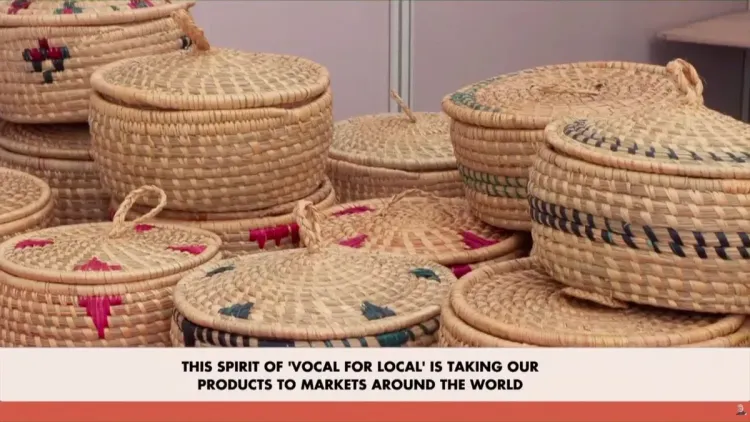
Yadav's post, in Hindi, reads: 'Vocal for Local' ki bhavna ab hamare utpadon ko duniya ke baazaron tak pahuncha rahi hai — 'The spirit of Vocal for Local is now taking our products to the markets of the world.' The framing is deliberate: what began as a call for domestic consumption has, in the government's telling, evolved into an outward-looking trade message.
The phrase 'Vocal for Local' entered India's economic vocabulary in May 2020, when Prime Minister Narendra Modi announced the Atmanirbhar Bharat package. The twin goals were always intertwined — reduce import dependence at home, and build enough manufacturing muscle to compete abroad. Modi has returned to the theme repeatedly in Mann Ki Baat broadcasts, making it one of the programme's most recognisable economic refrains.
Where Vocal for Local fits inside the Make in India arc
The broader policy lineage stretches back further. Make in India, launched in 2014, set the original template: position India as a global manufacturing destination by linking domestic production incentives to export ambitions. Vocal for Local added a cultural dimension — asking ordinary consumers to prefer Indian-made goods — while Atmanirbhar Bharat gave the framework its post-Covid urgency.
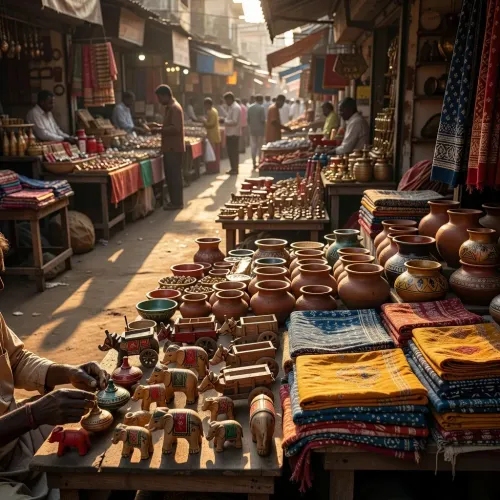
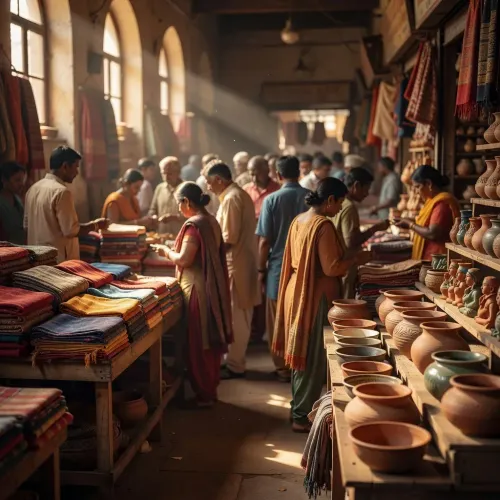
Local manufacturers and exporters are the two constituencies that benefit most directly from this messaging. For manufacturers, official promotion of Indian goods creates demand; for exporters, a government narrative that frames Indian products as globally competitive helps with branding and market-entry confidence. The commerce ministry's monthly export data will be the clearest measure of whether the sentiment is translating into hard numbers.
Mann Ki Baat as a policy amplifier
Yadav's post is explicitly tagged to #MannKiBaat, signalling that the month's episode featured this theme prominently. The radio address has long functioned as a soft-power policy tool — a regular slot in which the Prime Minister spotlights grassroots success stories, artisans, start-ups, and exporters whose work embodies government priorities. Senior ministers amplifying its themes on social media extend the broadcast's reach well beyond its radio audience.
The fact that an environment minister — rather than a commerce or industry minister — is amplifying an export-growth message reflects how broadly 'Vocal for Local' has been adopted across the Cabinet as a cross-cutting brand, not a departmental brief.
If the numbers match the narrative, India's export report card will be the real verdict on whether Vocal for Local has grown from a rallying cry into a measurable trade strategy.
Point of View
A harder claim that will be tested against actual commerce data. Watching whether future Mann Ki Baat episodes quantify this with specific export success stories will reveal how much policy substance backs the sentiment.
NationPress
25 Oct 2026
Frequently Asked Questions
What is 'Vocal for Local' in India?
'Vocal for Local' is a slogan and initiative promoted by Prime Minister Narendra Modi to encourage Indians to buy and produce domestic goods, first prominently linked to the Atmanirbhar Bharat economic package in May 2020.
What did Bhupender Yadav say about Vocal for Local?
On October 25, 2026, Union Environment Minister Bhupender Yadav said the spirit of 'Vocal for Local' is now taking Indian products to markets around the world, posting the message in connection with Mann Ki Baat.
What is Mann Ki Baat?
Mann Ki Baat is a monthly radio address by Prime Minister Narendra Modi in which he discusses public issues, government priorities, and grassroots success stories; it serves as a key platform for amplifying economic and social initiatives.
How does Vocal for Local connect to Atmanirbhar Bharat?
Atmanirbhar Bharat, announced in May 2020, was the overarching self-reliance economic framework under which Vocal for Local was explicitly promoted — aiming to reduce import dependence while building manufacturing capacity for export.
How will the success of Vocal for Local's export push be measured?
The most direct measure will be the commerce ministry's monthly export data, which will show whether domestic production gains are translating into increased shipments of Indian goods to global markets.