CM Pema Khandu Convenes All-Party Meet on Siang Dam PFR
Synopsis
CM Pema Khandu convened an all-party legislators' meeting on 25 October 2026 to discuss the Pre-Feasibility Report of the Siang Upper Multipurpose Project, balancing national security imperatives with environmental concerns and the rights of Siang Valley communities.
Key Takeaways
CM Pema Khandu chaired an all-party legislators' meeting on 25 October 2026 focused on the Pre-Feasibility Report (PFR) of the Siang Upper Multipurpose Project .
Three themes defined the deliberations: national security , environmental concerns , and the rights and aspirations of Siang Valley residents.
The Siang River is the Indian stretch of the Tsangpo; upstream Chinese infrastructure activity has given the project a strategic dimension alongside its hydropower purpose.
Indigenous communities, including the Adi tribes , have historically opposed large-scale dam proposals in the valley, citing risks of submergence and displacement.
The all-party format is a deliberate political choice to build cross-partisan accountability at an early, pre-investment stage of the project.
Next steps include central government review of the PFR, environmental impact assessments, and public hearings in the Siang districts .
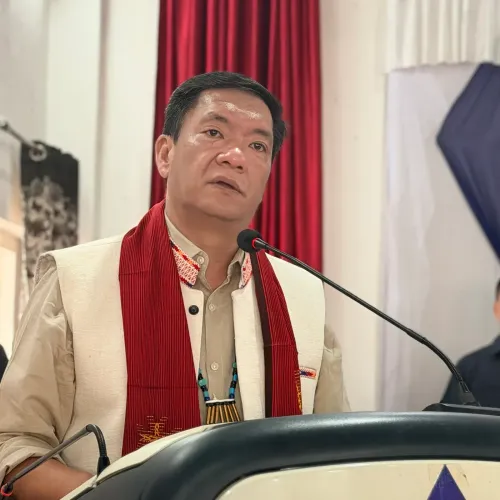
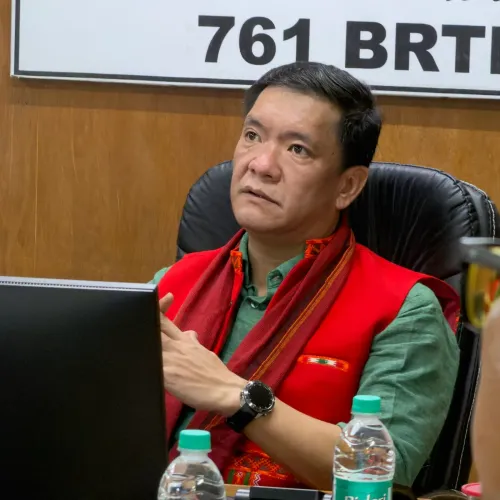
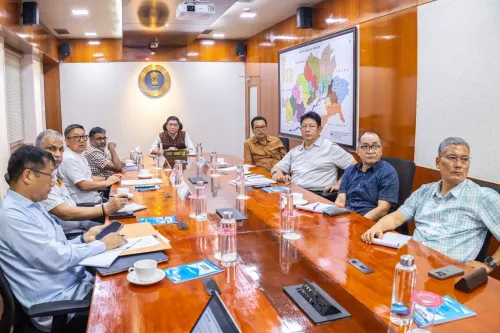
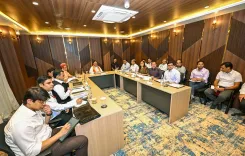
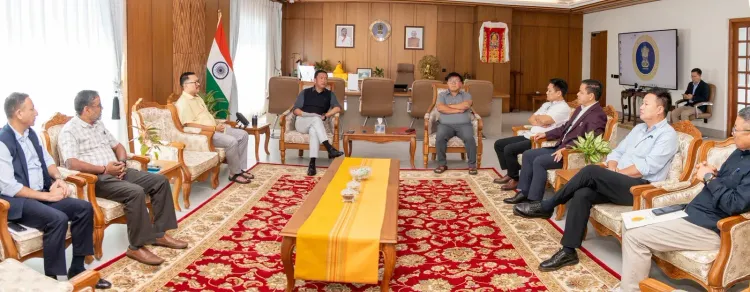
A dam that could reshape the eastern Himalayas — strategically, ecologically, and for the tens of thousands who call its valley home — moved to the centre of Arunachal Pradesh's political conversation on Sunday, 25 October 2026. Arunachal Pradesh Chief Minister Pema Khandu chaired an all-party legislators' meeting to deliberate on the Pre-Feasibility Report (PFR) of the Siang Upper Multipurpose Project, bringing together lawmakers across party lines to weigh national security imperatives, environmental risks, and the rights of communities in the Siang Valley.
What the all-party meeting put on the table
CM Khandu confirmed three distinct threads ran through the deliberations: national security, environmental concerns, and the aspirations of local people — a triad that has defined the debate around large river infrastructure in Arunachal Pradesh for decades. 'Our priority is to protect national interests while respecting the rights and aspirations of the people of Siang Valley,' Khandu stated, signalling that no single consideration would override the others.
The meeting focussed specifically on the PFR — the Pre-Feasibility Report stage — which precedes detailed project reports and environmental impact assessments. By convening legislators from all parties at this early stage, Khandu's government is building a consultative record before the project advances to central government review, a move that reflects the political sensitivity of large dam proposals in the Northeast.
The Siang River and decades of strategic stakes
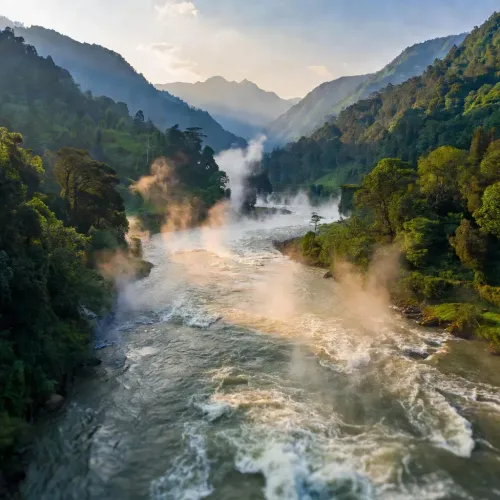
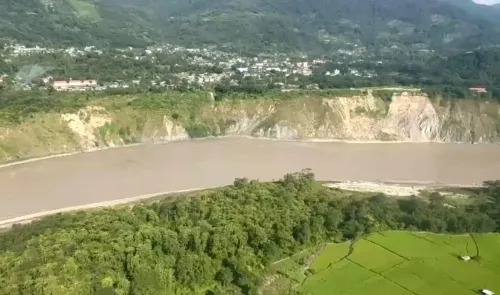
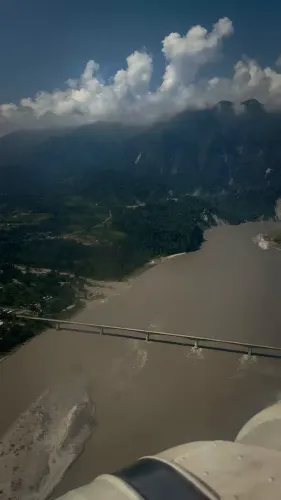
The Siang River is the Indian stretch of the Tsangpo, which originates in Tibet and thunders through one of the world's deepest gorges before entering Arunachal Pradesh. That geography alone explains the national security dimension: China's infrastructure activity upstream has long made India anxious about both water flows and the broader strategic balance in the eastern Himalayas. The Siang Upper Multipurpose Project has been positioned partly as India's structural answer to that upstream vulnerability — a storage reservoir large enough to buffer sudden hydrological disruptions.
India's push to harness the Brahmaputra river system for hydropower dates to the early 2000s, with Arunachal Pradesh identified as the centrepiece of a massive northeastern hydropower programme. Yet project after project in the Siang basin has stalled at the intersection of environmental clearance requirements and fierce resistance from the Adi tribes and other indigenous communities of the valley, who fear submergence of ancestral lands, loss of livelihoods, and irreversible ecological damage.
Cross-party consensus — a deliberate political choice
Arunachal Pradesh governments have historically reached across the aisle when major river projects come up for discussion, precisely because the stakes transcend party loyalty. An all-party format insulates the ruling dispensation from accusations of unilateral decision-making and creates shared accountability — useful when a project is as contested as this one. The Siang Upper project has drawn sustained opposition from local organisations who argue that the scale of proposed infrastructure would devastate the valley's ecology and displace communities without adequate redress.
By holding the meeting at the PFR stage — well before a final investment decision — CM Khandu is signalling that legislators, not just technocrats, will have early visibility into what is being proposed. The next pressure points will be central government scrutiny of the PFR, the environmental impact assessment process, and public hearings mandated in the Siang districts.
What Siang Valley communities are watching
For the Adi and other indigenous communities living along the river's banks, the all-party meeting is a moment to assess whether their concerns will receive structural weight or ceremonial acknowledgement. Past large dam projects across the Northeast have left a legacy of displacement, delayed rehabilitation, and broken promises — a history that local voices invoke whenever a new feasibility report surfaces. CM Khandu's explicit framing of 'rights and aspirations of the people of Siang Valley' as a co-equal priority — alongside national security and environment — will be judged not by the words of Sunday's meeting but by the shape of whatever emerges from the PFR review.
The Siang Upper Multipurpose Project is not yet a dam. It is still, formally, a question. But the all-party meeting signals that Arunachal Pradesh's political establishment has decided this question is too large to answer quietly.
Point of View
Convening cross-party deliberations at the pre-feasibility stage is both a procedural safeguard and a political hedge — it distributes ownership of the decision and pre-empts charges of bypassing local voices. The explicit pairing of 'national interests' with 'rights and aspirations of the people of Siang Valley' signals awareness that the project's biggest risk is not technical but political: the Northeast's long memory of dam-era displacement. How robustly the PFR process incorporates the concerns aired on Sunday will determine whether this meeting becomes a genuine inflection point or simply a consultation on paper.
NationPress
25 Oct 2026
Frequently Asked Questions
What is the Siang Upper Multipurpose Project?
The Siang Upper Multipurpose Project is a proposed large dam on the Siang River in Arunachal Pradesh, designed for hydropower generation and flood moderation. It also has a strategic dimension given China's infrastructure activity on the same river upstream in Tibet.
What is a Pre-Feasibility Report (PFR) in the context of a dam project?
A Pre-Feasibility Report is an early-stage technical document that assesses whether a proposed infrastructure project is viable before a full Detailed Project Report and environmental impact assessment are commissioned. The PFR stage precedes major investment commitments.
Why did CM Pema Khandu call an all-party meeting for this project?
CM Khandu convened the all-party meeting to ensure legislators from all parties have early visibility into the project's scope, building cross-partisan accountability on a proposal that involves national security, ecological risk, and indigenous land rights simultaneously.
Who are the local communities affected by the Siang Upper Multipurpose Project?
The Siang Valley is home to indigenous communities including the Adi tribes, who have historically raised concerns about submergence of ancestral lands, displacement, and ecological damage from large dam proposals in the region.
What are the next steps after the all-party meeting on the Siang dam PFR?
The PFR will likely undergo central government review, followed by a formal environmental impact assessment process and public hearings in the Siang districts — the key stages at which community objections can be formally recorded.