CM Nayab Saini joins Mann Ki Baat session in Panchkula
Synopsis
Haryana Chief Minister Nayab Singh Saini listened to PM Narendra Modi's Mann Ki Baat in Panchkula on 25 October 2026, publicly amplifying the episode's themes of organic farming, eSanjeevani, Shri Anna millets, organ donation, Run for Unity and Maharishi Valmiki's Ramayana as markers of India's heritage and people's participation.
Key Takeaways
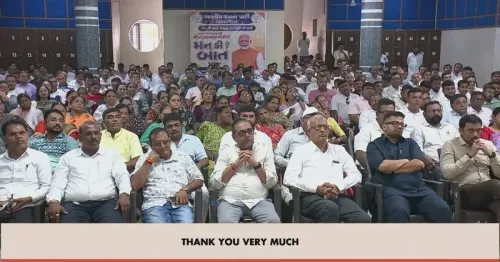
Nayab Singh Saini attended a group listening session for Mann Ki Baat with family members in Panchkula on 25 October 2026 .
PM Modi's episode covered organic farming, Khadi, local artisans, eSanjeevani, organ donation, Run for Unity, northeast culture, Shri Anna and Maharishi Valmiki's Ramayana .
Mann Ki Baat has run as a monthly radio programme since October 2014 , functioning as a direct citizen-communication channel for the Prime Minister. eSanjeevani , launched in 2019 , provides free telemedicine to rural India; Shri Anna promotes millets aligned with the UN's 2023 International Year of Millets .
The Valmiki Ramayana discussion aligns with Valmiki Jayanti in October, reflecting the programme's practice of linking policy themes to cultural calendars.
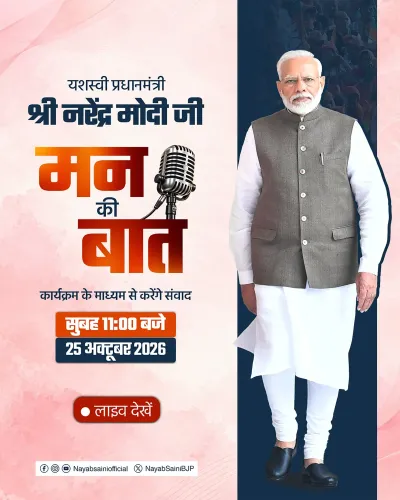
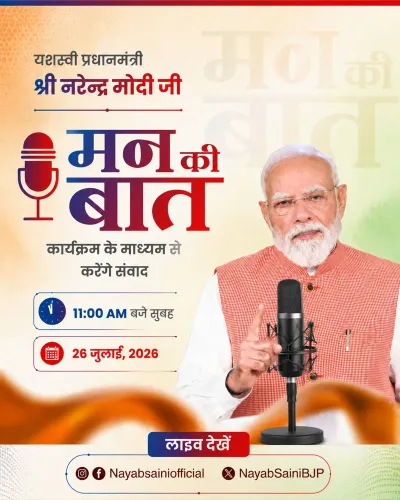
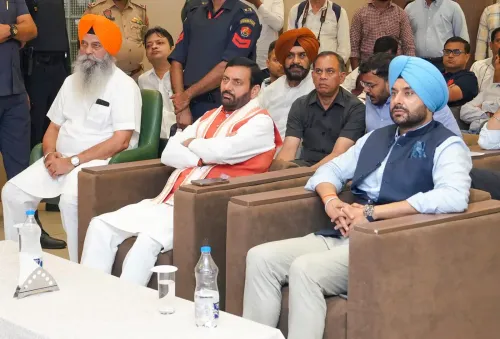
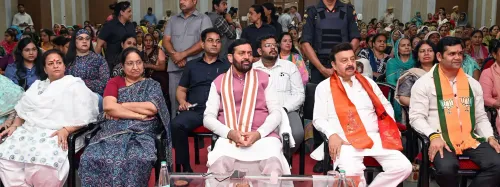
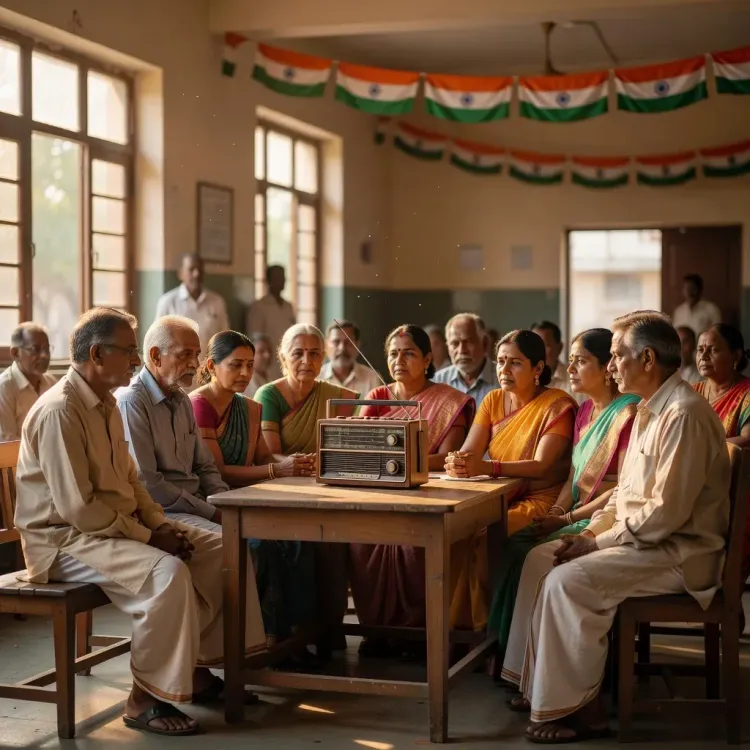
Haryana Chief Minister Nayab Singh Saini gathered with family members in Panchkula on Sunday, 25 October 2026, to listen to Prime Minister Narendra Modi's monthly radio address, Mann Ki Baat, a ritual of civic listening that the BJP leadership has consistently turned into a public moment.
Saini shared that the episode ranged widely — touching on organic farming, indigenous products, Khadi, local artisans, the government's telemedicine platform eSanjeevani, organ donation, the Run for Unity marathon, the culture of India's northeast, the Shri Anna (millets) tradition, and a discussion on Maharishi Valmiki's Ramayana. 'These subjects underline India's rich heritage, people's participation and the positive contribution of society,' Saini wrote, capturing the episode's through-line.
What Mann Ki Baat has built since 2014
Launched by Prime Minister Modi in October 2014, Mann Ki Baat airs monthly on All India Radio and has become one of the most consistent direct-communication channels between a sitting Indian prime minister and the public. It regularly weaves contemporary government schemes — Atmanirbhar Bharat, digital health, natural farming — with references to Indian epics, regional folk traditions and citizen achievement stories, deliberately blurring the line between policy communication and cultural pride.
Shri Anna, eSanjeevani and the episode's policy threads
Two schemes mentioned in this episode carry real policy weight in Haryana. eSanjeevani, the Ministry of Health and Family Welfare's free telemedicine service launched in 2019, has been steadily expanding rural reach; its mention in a national broadcast typically boosts awareness and local uptake. Shri Anna — the government's campaign to revive millets as a mainstream food — gained global momentum when the United Nations declared 2023 the International Year of Millets, and Modi's continued promotion keeps the crop politically and nutritionally visible for Haryana's farming communities.
Valmiki Ramayana and the northeast — culture as policy
The inclusion of Maharishi Valmiki's Ramayana in this episode is notable timing: Valmiki Jayanti falls in October, making the reference both culturally resonant and calendrically deliberate. The spotlight on northeast India's culture fits a sustained BJP effort to integrate the region's identity into the national mainstream narrative — a pattern visible across multiple Mann Ki Baat episodes over recent years. Saini framed these as 'inspirational for future generations,' signalling the state government's alignment with that cultural messaging.
For a chief minister who governs a predominantly agrarian state where organic farming uptake and rural digital health access are live policy questions, attending — and publicly amplifying — a Mann Ki Baat episode that hits both themes is less ceremony than it looks.
Point of View
A constituency BJP has worked hard to consolidate in Haryana. Mann Ki Baat's durability since 2014 as a soft-power instrument means each public listening event by a state leader doubles as earned media for the Centre's agenda. The convergence of health tech, agrarian economics and cultural heritage in a single episode illustrates how the programme bundles ideologically diverse audiences into one broadcast moment.
NationPress
25 Oct 2026
Frequently Asked Questions
What is Mann Ki Baat and when does it air?
Mann Ki Baat is a monthly radio address by Prime Minister Narendra Modi, launched in October 2014, in which he discusses government schemes, cultural heritage and citizen participation; it airs on All India Radio every last Sunday of the month.
What topics did PM Modi discuss in the October 2026 Mann Ki Baat?
According to CM Nayab Singh Saini's post, the episode covered organic farming, indigenous products, Khadi, local artisans, eSanjeevani telemedicine, organ donation, Run for Unity, northeast India's culture, Shri Anna millets and Maharishi Valmiki's Ramayana.
What is eSanjeevani?
eSanjeevani is a free government telemedicine platform launched by the Ministry of Health and Family Welfare in 2019 to provide online doctor consultations to citizens, especially in rural and remote areas.
Why did CM Nayab Saini attend the Mann Ki Baat session in Panchkula?
CM Saini attended a group listening session with family members in Panchkula and subsequently shared the episode's key themes publicly to align Haryana's governance priorities — particularly organic farming and rural digital health — with the Prime Minister's national messaging.