Mann Ki Baat: Haryana CM Saini Calls PM Modi's Show a Powerful Communication Tool
Synopsis
Haryana CM Nayab Singh Saini called PM Modi's 'Mann Ki Baat' a powerful communication bridge between the government and citizens. Meanwhile, Minister Anil Vij revealed a Rs 700 crore 'Shaheed Smarak' at Ambala Cantonment will honour unsung heroes of the 1857 uprising, with PM Modi expected to inaugurate it soon.
Key Takeaways
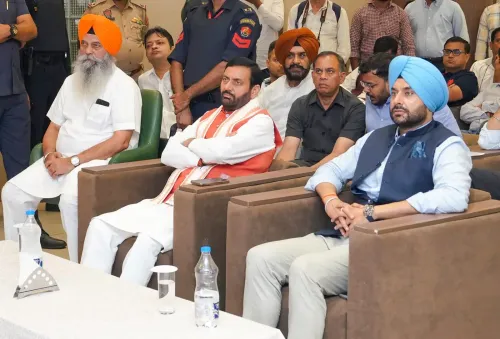
Haryana CM Nayab Singh Saini attended a 'Mann Ki Baat' listening session in Gurugram on April 26, 2025 , calling it a powerful communication medium.
CM Saini paid floral tributes to Syama Prasad Mukherjee and Pandit Deendayal Upadhyaya before the broadcast began.
Haryana Energy Minister Anil Vij highlighted PM Modi's reference to the 1857 uprising in the episode as highly significant.
A Rs 700 crore 'Shaheed Smarak' is under construction at Ambala Cantonment , featuring tributes to warriors like Rani Lakshmibai and Tatya Tope .
The memorial includes a special 'tribute zone' dedicated to unsung martyrs of the 1857 freedom struggle who were historically overlooked.
PM Modi is expected to inaugurate the Shaheed Smarak in the near future, with no official date yet announced.
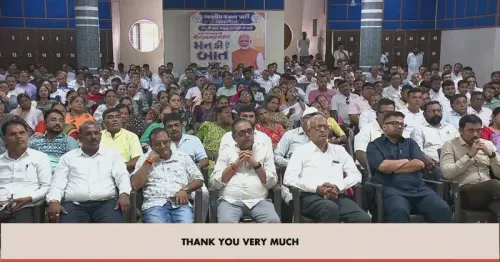
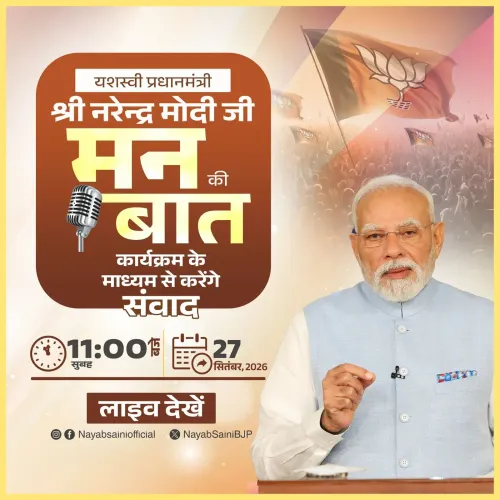
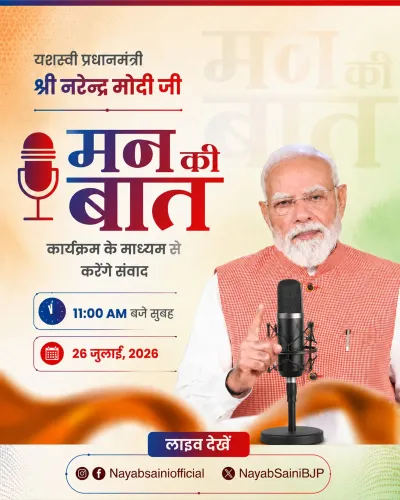
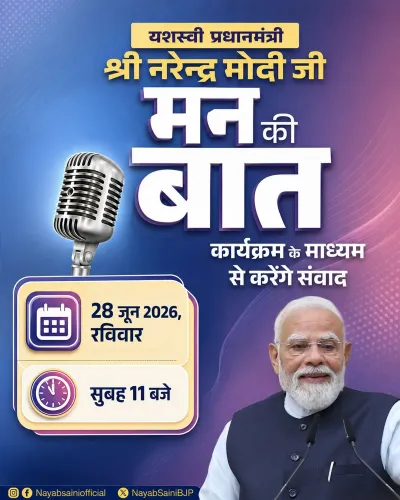
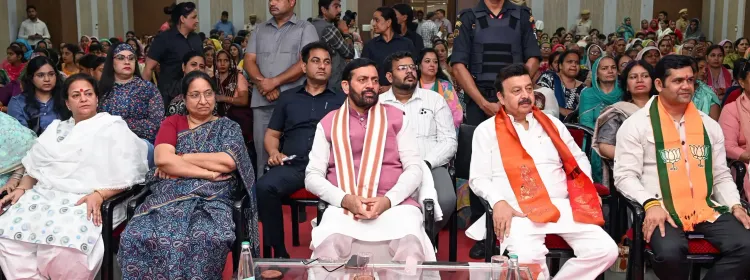
Haryana Chief Minister Nayab Singh Saini on Sunday, April 26, joined citizens in Gurugram to listen to Prime Minister Narendra Modi's monthly radio programme 'Mann Ki Baat', describing it as a powerful and transformative medium of communication between the government and the people of India. The event drew senior state ministers and underscored the BJP-led Haryana government's alignment with the Centre's public outreach agenda.
CM Saini Pays Tribute Before Tuning In
Before the broadcast commenced, Chief Minister Saini paid floral tributes to Syama Prasad Mukherjee and Pandit Deendayal Upadhyaya, two ideological pillars of the Bharatiya Janata Party's political philosophy. The gesture was symbolic, linking the spirit of 'Mann Ki Baat' to the broader RSS-BJP ideological tradition of grassroots public engagement.
Haryana Industries and Commerce Minister Rao Narbir Singh was also present during the listening session, reflecting the state cabinet's collective participation in the national programme.
Following the broadcast, CM Saini also attended the 'Jan Aakrosh Mahila Sammelan', reinforcing his government's outreach to women voters — a politically significant constituency ahead of future electoral cycles in Haryana.
What CM Saini Said About Mann Ki Baat
Chief Minister Saini emphasized that the primary objective of 'Mann Ki Baat' is to establish a direct and meaningful line of communication between the Prime Minister and ordinary citizens. He noted that PM Modi uses the monthly platform to discuss issues of social, economic, and cultural importance, making governance more transparent and participatory.
"'Mann Ki Baat' is a powerful medium of communication between the Prime Minister and the general public. Through this programme, inspiring stories of positive efforts, social innovations, and public participation from across the country are highlighted, which spread positive energy in society and promote a spirit of harmony," Saini stated.
He further noted that the programme plays a crucial role in conveying government policies and initiatives to citizens while also gathering public feedback — a two-way communication model that distinguishes it from conventional political broadcasts.
CM Saini specifically highlighted the programme's impact on youth, saying it inspires young Indians towards innovation, self-reliance, and nation-building — themes central to the Modi government's flagship initiatives such as Atmanirbhar Bharat and Startup India.
Minister Anil Vij Highlights 1857 Reference and Rs 700 Crore Shaheed Smarak
Haryana's State Energy and Transport Minister Anil Vij joined the conversation by highlighting PM Modi's reference to the 1857 uprising during the episode, calling it highly significant. He noted that to commemorate this historic freedom movement, a grand 'Shaheed Smarak' is being constructed at Ambala Cantonment at a cost of approximately Rs 700 crore.
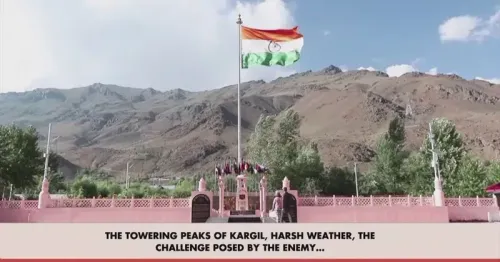
The memorial is designed to vividly depict the first war of independence that began on May 10, 1857, along with the struggles and sacrifices made by freedom fighters across the country. Key locations such as Ambala, Meerut, Jhansi, and Kashmiri Gate are showcased within the memorial, along with the contributions of iconic warriors like Rani Lakshmibai and Tatya Tope.
Minister Vij pointed out that many heroes of 1857 did not receive adequate recognition in mainstream historical narratives. To address this, a special 'tribute zone' has been created within the Smarak where visitors can pay homage to long-overlooked martyrs of the independence struggle.
He expressed hope that the 'Shaheed Smarak' would be inaugurated by Prime Minister Modi in the near future, which would mark a significant cultural and political moment for Haryana and the nation.
Broader Significance of Mann Ki Baat as a Political and Social Tool
Launched in October 2014, 'Mann Ki Baat' has now completed over 100 episodes, making it one of the longest-running and most-listened-to radio programmes by any sitting head of government globally. The programme airs on All India Radio and reaches millions of listeners across urban and rural India every last Sunday of the month.
Critics and political analysts have noted that while 'Mann Ki Baat' serves as a genuine grassroots outreach tool, it also functions as a soft political branding exercise for the BJP — reinforcing PM Modi's image as an accessible, people-first leader. The programme has been particularly effective in reaching audiences in states like Haryana, where the BJP has a strong organizational base and where public sentiment towards central government schemes remains broadly positive.
The Haryana government's enthusiastic participation in the listening event, combined with the announcement around the Rs 700 crore Shaheed Smarak, signals a coordinated effort to blend cultural nationalism with governance messaging ahead of future political cycles in the state.
What to Expect Next
With the Shaheed Smarak in Ambala Cantonment nearing completion, all eyes will be on when Prime Minister Modi formally inaugurates the memorial — an event expected to be a high-profile national moment. Meanwhile, 'Mann Ki Baat' will continue its monthly broadcast, with the next episode anticipated on the last Sunday of May 2025, potentially addressing themes of national development, youth empowerment, and India's cultural heritage.
Point of View
Used systematically by the BJP to reinforce PM Modi's brand as a people's leader while keeping state governments visually aligned with the Centre. Haryana CM Saini's enthusiastic participation, paired with the announcement of a Rs 700 crore memorial, reflects a calculated fusion of cultural nationalism and electoral optics. What's worth scrutinizing is whether the Rs 700 crore earmarked for the Shaheed Smarak in Ambala is matched by equivalent investment in Haryana's public health infrastructure, education, and farmer welfare — the issues that most directly affect the citizens 'Mann Ki Baat' claims to serve.
NationPress
17 Oct 2026
Frequently Asked Questions
What did Haryana CM Nayab Singh Saini say about Mann Ki Baat?
Haryana CM Nayab Singh Saini described 'Mann Ki Baat' as a powerful medium of communication between PM Modi and the general public. He said the programme highlights inspiring stories of social innovation and public participation, spreading positive energy and promoting national harmony.
What is the Shaheed Smarak being built in Ambala Cantonment?
The Shaheed Smarak is a Rs 700 crore memorial being constructed at Ambala Cantonment to commemorate the first war of independence that began on May 10, 1857. It features key locations like Meerut, Jhansi, and Kashmiri Gate, and includes a special tribute zone for unrecognised martyrs.
Who attended the Mann Ki Baat listening event in Gurugram on April 26?
Haryana CM Nayab Singh Saini attended the Mann Ki Baat listening event in Gurugram on April 26, 2025. Industries Minister Rao Narbir Singh was also present, and Energy Minister Anil Vij separately commented on the episode's content.
How many episodes of Mann Ki Baat have been broadcast so far?
PM Modi's 'Mann Ki Baat' has completed over 100 episodes since its launch in October 2014. It airs on All India Radio every last Sunday of the month and reaches millions of listeners across India.
When will the Shaheed Smarak in Ambala be inaugurated?
Haryana Minister Anil Vij expressed hope that PM Narendra Modi will inaugurate the Shaheed Smarak at Ambala Cantonment soon, though no official date has been announced. The memorial is expected to be a major national event when it opens.