CM Dhami: Tourism strengthens local economy in Uttarakhand
Synopsis
Chief Minister Pushkar Singh Dhami has highlighted religious tourism as a key driver of Uttarakhand's local economy, stating that large pilgrim numbers benefit regional communities both directly and indirectly — underscoring the state's strategy of linking spiritual heritage with economic development.
Key Takeaways
CM Pushkar Singh Dhami stated that tourism strengthens the local economy and that pilgrim footfall benefits regional people directly and indirectly.
The statement was shared by the Chief Minister's Office of Uttarakhand on 21 July 2026 .
Uttarakhand's pilgrimage circuits — including the Char Dham Yatra — are among India's most visited, drawing millions of devotees annually.
Key beneficiaries include traders, transport operators, homestay hosts, and agricultural communities in districts such as Rudraprayag, Chamoli , and Uttarkashi .
The government frames religious tourism as central to reversing reverse migration from hill districts.
The remarks signal continued policy focus on pilgrim infrastructure and local livelihood schemes during the 2026 yatra season .
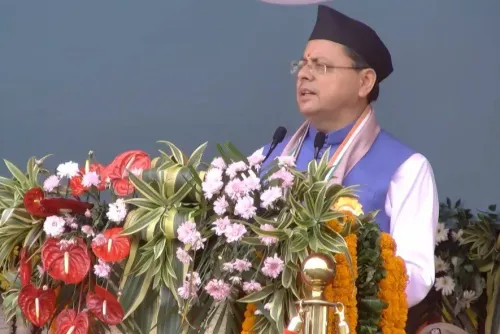
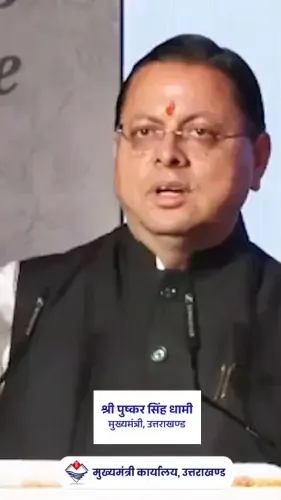
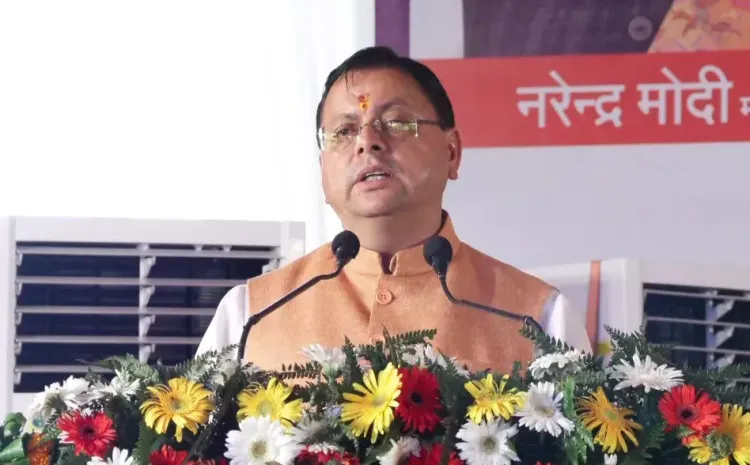
The Chief Minister's Office of Uttarakhand on Tuesday, 21 July 2026 shared a statement by Chief Minister Pushkar Singh Dhami underlining the economic role of religious tourism in the state, noting that pilgrims visiting in large numbers deliver both direct and indirect benefits to local communities.
Context
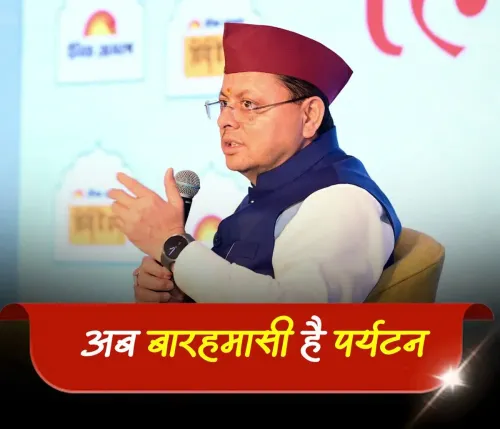
Speaking on the link between pilgrimage and local livelihoods, CM Dhami said: 'Paryatan sthaniya arthvyavastha ko bhi mazbooti pradan karta hai' — 'Tourism also strengthens the local economy. When devotees come here in large numbers, the people of the region benefit both directly and indirectly.' The remark reflects the state government's consistent framing of religious tourism as an economic engine, not merely a cultural or spiritual activity.
Uttarakhand is home to some of India's most visited pilgrimage circuits, including the Char Dham Yatra — covering Badrinath, Kedarnath, Gangotri, and Yamunotri — as well as Hemkund Sahib and Haridwar. These destinations collectively draw millions of pilgrims annually, making religious tourism the backbone of the mountain state's economy.
Policy Backdrop
The Dhami government has repeatedly positioned Uttarakhand as India's foremost spiritual tourism destination, aligning state infrastructure spending — roads, ropeways, helipad expansion, and accommodation — with pilgrim footfall projections. The Char Dham All-Weather Road project, a central government initiative, has been central to this push, aimed at ensuring year-round accessibility to the shrines.
Religious tourism in Uttarakhand generates employment across a wide chain: priests, porters (kaandis), mule owners, dhaba operators, homestay hosts, and local artisans all depend on the seasonal influx of pilgrims. State estimates have consistently shown that peak yatra months account for a disproportionately large share of rural household incomes in districts such as Rudraprayag, Chamoli, Uttarkashi, and Pithoragarh.
Stakeholders and Impact
The beneficiaries of pilgrim-driven tourism are spread across the economic spectrum. Small traders, transport operators, and hotel owners in gateway towns such as Rishikesh and Haridwar see direct revenue, while agricultural communities in higher-altitude villages benefit indirectly through increased demand for local produce and labour.
The state government has also linked tourism growth to its broader goal of reversing reverse migration — a long-standing challenge in Uttarakhand where youth leave hill districts for plains cities. By expanding tourism infrastructure and creating local employment, the administration argues that pilgrimage economy can anchor younger residents to their home regions.
What's Next
With the 2026 Char Dham Yatra season under way, the government's emphasis on the economic multiplier effect of pilgrimage signals continued policy priority for tourism infrastructure investment. CM Dhami's statement is likely to precede further announcements on pilgrim facilities, connectivity projects, or local entrepreneurship schemes tied to the yatra corridor — reinforcing Uttarakhand's identity as a state where spiritual heritage and economic development are treated as inseparable goals.
Point of View
And it reassures hill communities that the state's development model has not bypassed them. Uttarakhand's dependence on seasonal religious tourism is a structural vulnerability — one bad season due to weather or disaster can devastate local incomes — so the government's emphasis on 'direct and indirect' benefits also implicitly builds the case for year-round connectivity investment. The statement fits a broader pattern among hill-state governments of anchoring identity politics to spiritual geography, making tourism policy simultaneously an economic and cultural assertion.
NationPress
20 Oct 2026
Frequently Asked Questions
How does religious tourism help Uttarakhand's local economy?
Religious tourism generates income for a wide range of local stakeholders including traders, transport operators, priests, porters, and homestay owners. CM Dhami has noted that pilgrim footfall benefits regional communities both directly — through spending — and indirectly through increased demand for local goods and labour.
What did CM Pushkar Singh Dhami say about tourism on 21 July 2026?
CM Dhami stated that tourism strengthens the local economy and that when large numbers of devotees visit, the people of the region benefit both directly and indirectly. The statement was shared by the Chief Minister's Office of Uttarakhand on X.
Which pilgrimage sites drive tourism in Uttarakhand?
The Char Dham circuit — Badrinath, Kedarnath, Gangotri, and Yamunotri — is the primary driver, along with Hemkund Sahib and Haridwar. These sites collectively attract millions of pilgrims each year.
How does pilgrimage tourism address reverse migration in Uttarakhand?
The Dhami government argues that expanding tourism infrastructure and creating local employment in hill districts can anchor younger residents to their home regions, reducing the outflow of youth to plains cities.
Which districts in Uttarakhand benefit most from yatra tourism?
Districts along the yatra corridors — particularly Rudraprayag, Chamoli, Uttarkashi, and Pithoragarh — see the highest economic impact, as peak pilgrimage months account for a large share of rural household incomes in these areas.