CM Dhami Bets on Year-Round Tourism for Uttarakhand Growth
Synopsis
Chief Minister Pushkar Singh Dhami has credited year-round tourism with giving new wings to Uttarakhand's development, signalling a strategic push beyond the state's traditional seasonal pilgrimage economy toward a sustained twelve-month tourism model built on adventure, wellness and eco-tourism.
Key Takeaways
CM Pushkar Singh Dhami on 13 June 2026 publicly championed year-round tourism as a driver of Uttarakhand 's economic growth.
The state's tourism economy has historically been concentrated in the Char Dham Yatra season running from May to November .
The Uttarakhand Tourism Policy 2018 laid the foundation for off-season products including winter sports at Auli , wellness retreats and eco-tourism circuits.
All-weather roads and ropeway projects funded in the 2021-22 state budget are central to reducing seasonal inaccessibility of mountain destinations.
Key beneficiaries include the hospitality sector , adventure tourism operators, rural homestay owners and local communities in districts like Rudraprayag, Chamoli and Nainital .
Upcoming tourist-arrival data from the Uttarakhand Tourism Development Board and budget-session infrastructure announcements will be the next key indicators of progress.
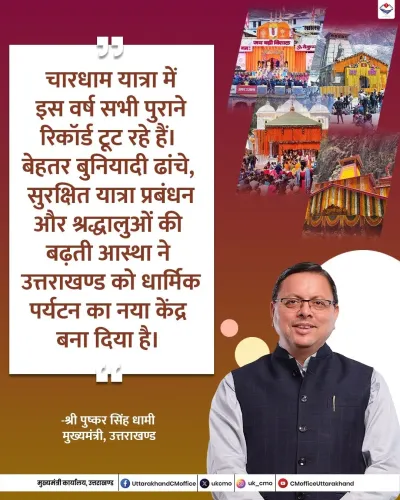
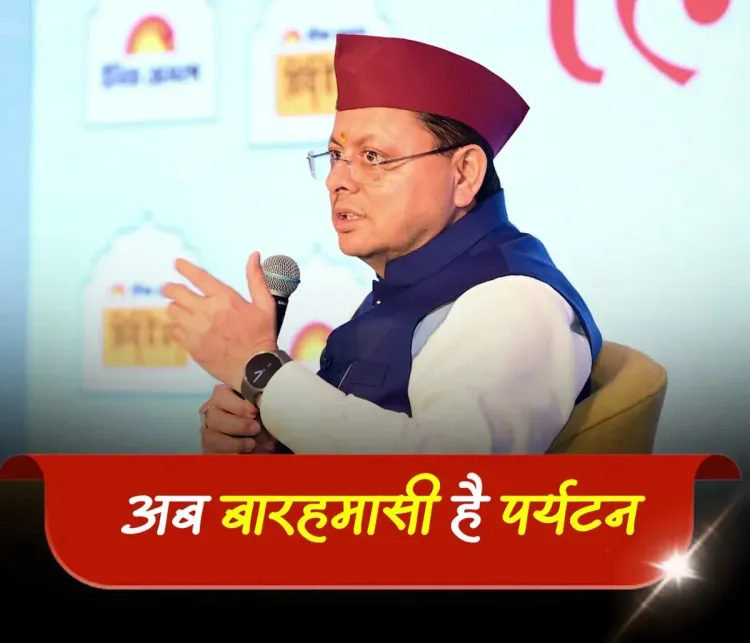
Uttarakhand Chief Minister Pushkar Singh Dhami on Saturday, 13 June 2026, highlighted year-round tourism as a key engine of the state's development, sharing a video on X that underscores his government's push to move beyond the traditional seasonal tourism model that has long defined the Himalayan state's economy.
In his post, CM Dhami wrote: 'बारहमासी पर्यटन ने दिए उत्तराखंड के विकास को नए पंख!' — translated as 'Year-round tourism has given new wings to Uttarakhand's development!' — signalling the state's strategic pivot from a tourism calendar dominated by a few peak months to a sustained, multi-season model.
Context
Uttarakhand's economy has historically been hostage to seasonal cycles. The Char Dham Yatra — the annual pilgrimage circuit covering Yamunotri, Gangotri, Kedarnath and Badrinath — draws millions of visitors between May and November, but the state's hospitality and transport sectors have long struggled during the off-season months when pilgrim and tourist footfall drops sharply.
Districts such as Rudraprayag, Chamoli and Nainital bear the brunt of this seasonality, with local communities and small businesses facing lean periods that undercut annual incomes. The Dhami government's emphasis on 'barahmasi' — or twelve-month — tourism is a direct response to this structural vulnerability.
Policy Backdrop
The groundwork for year-round tourism was laid by the Uttarakhand Tourism Policy 2018, which identified winter sports, wellness retreats and eco-tourism clusters as pillars of an extended tourism season. Subsequent state budgets, particularly in 2021-22, allocated funds for all-weather road connectivity and ropeway projects designed to keep remote destinations accessible even during harsh winters.
The Uttarakhand Tourism Development Board has been the nodal agency driving destination development and off-season marketing, promoting products such as skiing at Auli, extended river-rafting seasons and homestay circuits in lesser-visited valleys. This approach mirrors the central government's broader post-pandemic strategy to raise tourism's contribution to state GDP through infrastructure upgrades and targeted promotion of off-season destinations.
Stakeholders and Impact
The beneficiaries of a successful year-round tourism push span a wide ecosystem: the hospitality sector, adventure tourism operators, local artisans, transport providers and rural homestay owners all stand to gain from a more evenly distributed visitor calendar. For Uttarakhand's mountain communities, steadier tourist income across all twelve months could meaningfully reduce economic migration to the plains.
Adventure tourism operators running rafting, trekking and skiing packages have already begun tailoring offerings to attract visitors in months that were once considered dead seasons. The state's growing wellness and yoga tourism segment — centred on destinations like Rishikesh — is also inherently less season-dependent, providing a natural anchor for the year-round model.
What's Next
Observers will watch for the release of the next tourist-arrival data by the Uttarakhand Tourism Development Board, which would provide the first quantitative measure of whether the year-round strategy is translating into actual footfall gains outside peak season. Fresh announcements on ropeway capacity and airport infrastructure — likely to surface in the next budget session — will also signal how aggressively the state plans to invest in sustaining the momentum.
If the year-round tourism model takes firm root, it could provide Uttarakhand with a more resilient economic base, reducing the state's dependence on a narrow pilgrimage window and positioning it as a benchmark for other Himalayan states seeking to diversify their tourism calendars.
Point of View
Not merely a pilgrim corridor. The emphasis on 'barahmasi' tourism is as much an economic diversification argument as it is a political one — the BJP-led state government has staked significant credibility on infrastructure-led growth in a state where out-migration remains a live electoral concern. The framing also aligns with the central government's push to raise tourism's share of state GDPs, giving Dehradun a ready narrative for seeking additional central funds. Whether the strategy delivers measurable gains in off-season footfall and local incomes will ultimately determine its political and economic legacy.
NationPress
13 Sept 2026
Frequently Asked Questions
What is barahmasi paryatan in Uttarakhand?
'Barahmasi paryatan' means year-round tourism in Hindi. It refers to Uttarakhand's strategy to attract visitors across all twelve months rather than only during the peak Char Dham Yatra season from May to November, by promoting winter sports, wellness retreats, eco-tourism and adventure activities.
What did CM Dhami say about Uttarakhand tourism?
On 13 June 2026, CM Pushkar Singh Dhami posted on X that year-round tourism has given new wings to Uttarakhand's development, sharing a video that highlights the state's push to move beyond seasonal dependence.
Which tourist destinations in Uttarakhand are open year-round?
Destinations like Rishikesh are active year-round due to wellness and yoga tourism. Auli is promoted for winter skiing, while several trekking and river-rafting circuits have been extended beyond traditional seasons as part of the state's off-season tourism push.
What is the Uttarakhand Tourism Policy?
The Uttarakhand Tourism Policy 2018 set out a framework to diversify the state's tourism beyond pilgrimage, targeting winter sports, wellness clusters and eco-tourism to reduce seasonal income volatility for local communities and businesses.
How is Uttarakhand reducing tourism seasonality?
The state has invested in all-weather road connectivity and ropeway projects — budgeted from 2021-22 onwards — to keep mountain destinations accessible in winter. The Uttarakhand Tourism Development Board also markets off-season products such as skiing at Auli and homestay circuits in lesser-visited valleys.