CM Dhami Wishes Uttarakhand on Vijayadashami 2026
Synopsis
Uttarakhand Chief Minister Pushkar Singh Dhami marked Vijayadashami with a public message calling on citizens to conquer inner vices — ego, anger, and evil — and pledge purity of conduct, faithful action, and devotion to the nation.
Key Takeaways
CM Pushkar Singh Dhami posted Vijayadashami greetings on Tuesday, October 20, 2026 .
He described the festival as the victory of truth over falsehood, righteousness over unrighteousness, and justice over injustice.
He urged citizens to burn the 'Ravana of ego, anger, and evil' within themselves.
His message called for a three-part pledge: purity in conduct, devotion in action, and national dedication at heart.
The post is consistent with a broader pattern of BJP state leaders using major festivals to blend religious observance with civic and national messaging.
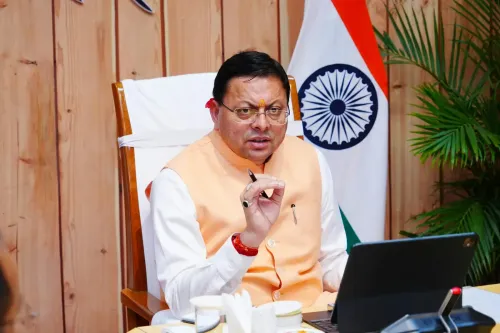
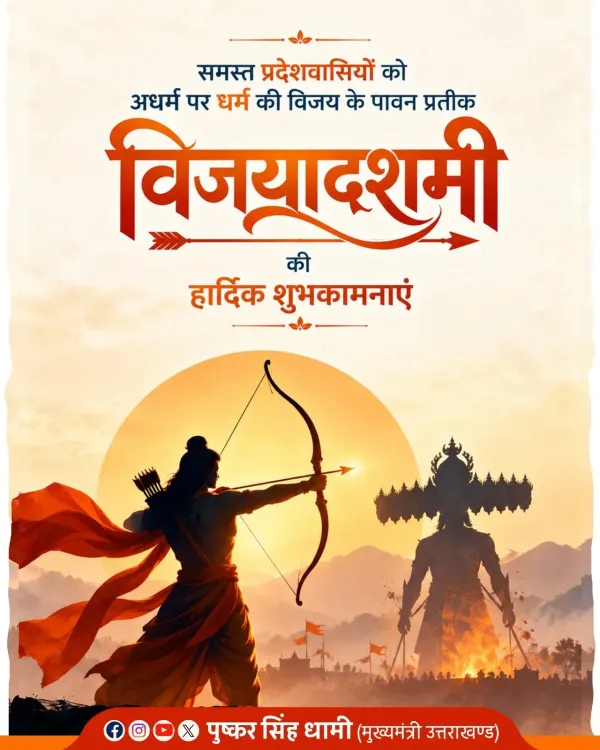
On the morning of Vijayadashami, Uttarakhand Chief Minister Pushkar Singh Dhami extended greetings to the people of the state, framing the festival not merely as a religious occasion but as an annual call to inner renewal and national dedication.
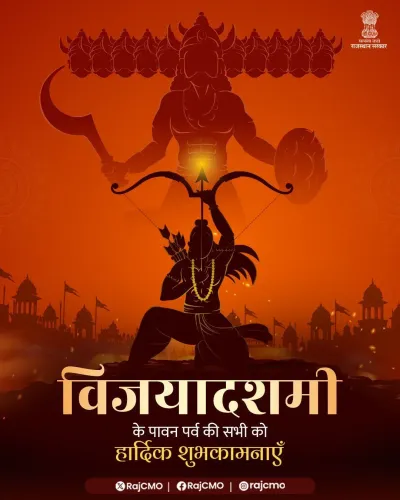
In his message, CM Dhami wrote: 'असत्य पर सत्य, अधर्म पर धर्म और अन्याय पर न्याय की विजय के पावन पर्व' — the sacred festival of the victory of truth over falsehood, righteousness over unrighteousness, and justice over injustice. He urged people to 'burn the Ravana of ego, anger, and evil within us, and light the lamp of love, harmony, and unity in society.'
The call beyond the celebration
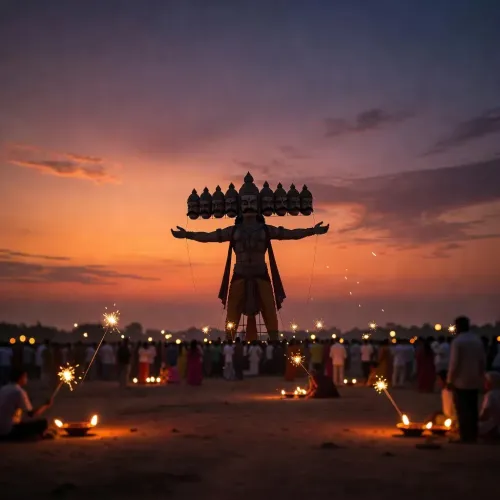
Dhami's message carried a three-part pledge: purity in conduct, devotion in action, and a spirit of dedication to the nation in one's heart. The framing is a familiar but deliberately chosen register — Vijayadashami as moral inventory, not just festivity. Across India, the festival marks the day Lord Rama defeated the demon king Ravana, celebrated through Ramlila performances and the burning of towering effigies.
Festival greetings as political ritual
Indian state chief ministers routinely use major festivals as moments of public communication, and Vijayadashami — one of the most widely observed Hindu festivals — draws messages from virtually every state government. What distinguishes Dhami's post is its inward turn: the emphasis on burning personal vices rather than simply celebrating a mythological victory. The blend of devotional language with civic virtues — unity, harmony, national dedication — reflects a consistent rhetorical pattern in BJP-governed states.
As effigies of Ravana burn across Uttarakhand and the rest of the country on this Tuesday, October 20, the Chief Minister's message lands on the side of resolve — the kind of Dussehra where the real victory is supposed to start from within.
Point of View
Channelling devotional sentiment toward civic virtues like unity and national dedication. Such messaging also serves a subtle consolidation function: it positions the ruling party as the custodian of mainstream Hindu festive culture ahead of any electoral cycle. The emphasis on purity of conduct and action, while universally applicable, carries a quiet normative weight in states where the ruling dispensation is also the moral referent.
NationPress
20 Oct 2026
Frequently Asked Questions
What did CM Pushkar Singh Dhami say on Vijayadashami 2026?
CM Dhami wished citizens a happy Vijayadashami, describing it as the festival of the victory of truth over falsehood and justice over injustice, and urged people to conquer inner vices like ego, anger, and evil.
What is Vijayadashami and why is it celebrated?
Vijayadashami, also called Dussehra, is a Hindu festival marking the victory of Lord Rama over the demon king Ravana. It is celebrated across India with Ramlila performances and the burning of Ravana effigies.
When is Vijayadashami in 2026?
Vijayadashami in 2026 falls on Tuesday, October 20, as confirmed by CM Dhami's morning post on that date.
What pledge did CM Dhami ask people to take on Dussehra?
He asked citizens to pledge purity in conduct, devotion in their actions, and a deep sense of dedication to the nation in their hearts.
Is it common for Indian chief ministers to post Vijayadashami greetings?
Yes, it is a well-established practice for chief ministers across India to issue public greetings on major festivals like Vijayadashami, often blending religious observance with calls for social harmony.