CM Sai Inaugurates Raoghat Rail Link, a Post-Independence First
Synopsis
On 20 October 2026, CM Vishnu Deo Sai inaugurated the Tadoki–Raoghat and Abhanpur–Kurud rail lines in Chhattisgarh, launching two new passenger services and laying the foundation for a Raipur electric engine maintenance facility — marking the first-ever rail connection to Raoghat since independence.
Key Takeaways
Raoghat receives its first railway connection since India's independence, inaugurated on 20 October 2026 .
CM Vishnu Deo Sai presided over the inauguration of two lines: Tadoki–Raoghat and Abhanpur–Kurud .
Union Railway Minister Ashwini Vaishnaw participated via video conferencing.
Two new passenger services — Raoghat–Raipur and Raipur–Kurud — were launched on the same day.
Foundation stone laid for an Electric Rail Engine Maintenance Facility in Raipur .
The project is framed as a Central Government connectivity push to integrate Bastar's tribal and remote communities into the development mainstream.
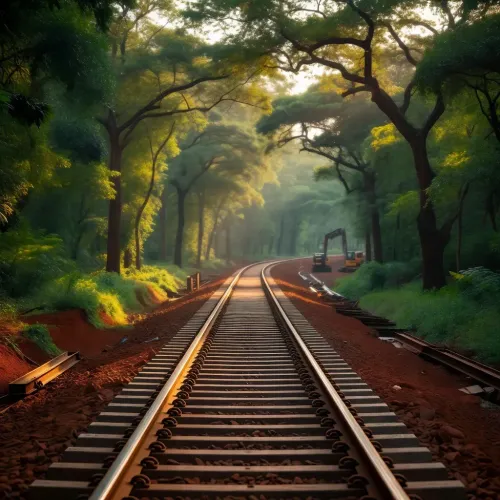
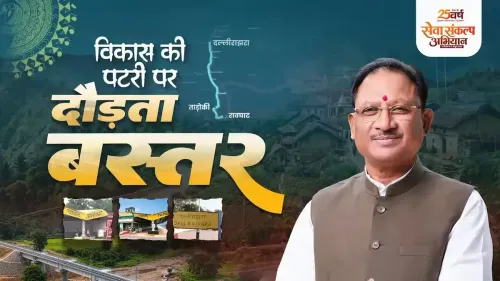
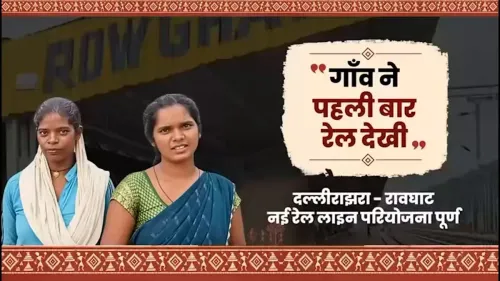
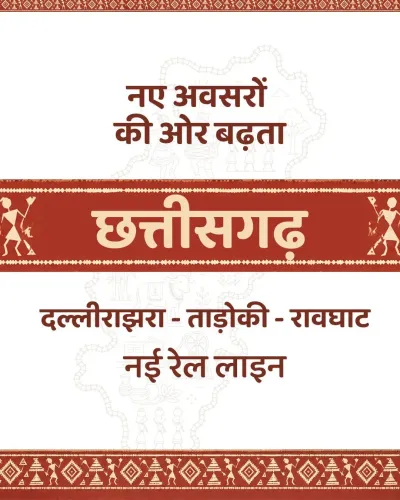
For the first time since India's independence, a railway line has reached Raoghat — and on 20 October 2026, Chhattisgarh Chief Minister Vishnu Deo Sai marked that milestone by inaugurating two new rail lines that rewrite the connectivity map of the state's most isolated south. The Chief Minister's Office of Chhattisgarh announced the event, calling it a historic day in the state's railway history.
Two lines, one transformative day for southern Chhattisgarh
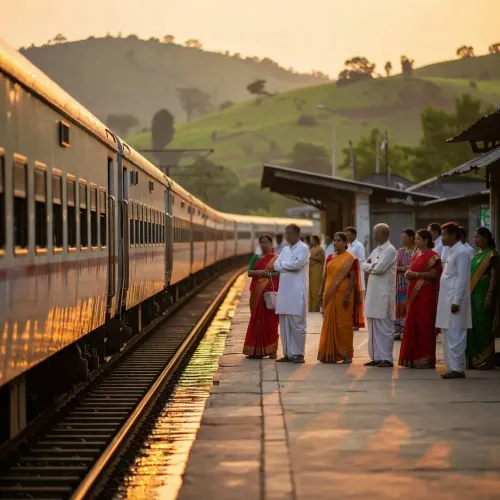
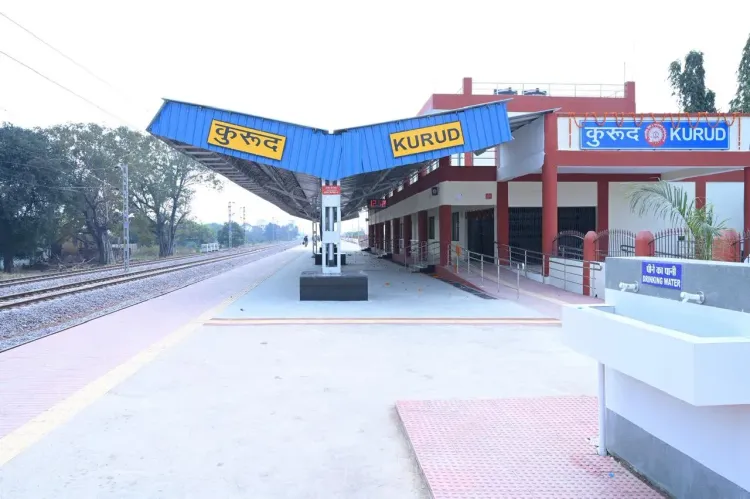
The Tadoki–Raoghat and Abhanpur–Kurud rail lines were inaugurated at a ceremony attended by CM Vishnu Deo Sai in person. Union Railway Minister Ashwini Vaishnaw joined via video conferencing — a signal of the Centre's direct stake in the project. Alongside the inaugurations, two new passenger rail services — Raoghat–Raipur and Raipur–Kurud — were launched, immediately putting the new tracks to work for ordinary commuters.
The day also saw the foundation stone laid for an Electric Rail Engine Maintenance Facility in Raipur, a piece of the infrastructure puzzle that will keep the expanded network operational for decades. One ceremony, four distinct milestones — the scale of the announcement underlines just how much connectivity debt southern Chhattisgarh has been carrying.
Why Raoghat arriving 'first time after independence' matters
Bastar, the tribal heartland of southern Chhattisgarh, has for decades been among the most underserved regions in Indian infrastructure terms — a gap compounded by difficult terrain and, for much of the post-independence era, the security challenges posed by left-wing extremism. Indian Railways has pursued new-line construction in the Bastar corridor as part of a post-2014 connectivity push specifically targeting districts affected by that instability.
The Raoghat line is the symbolic centrepiece of that push. Reaching a point that no train had touched in 79 years of independent India is not routine ribbon-cutting — it is the closing of a long-open gap in the national map. CM Sai described the achievement as 'Bastar aur Dakshin Chhattisgarh ke vikas ki disha mein mahatvapurna kadam' — 'an important step in the direction of development for Bastar and south Chhattisgarh' — and said it would open new opportunities in education, health, employment, and trade alongside improved movement of people.
Tribal communities and traders in the direct line of benefit
The stakeholders watching most closely are the tribal communities of Bastar and the traders and residents of south Chhattisgarh who have relied on road transport through terrain that makes logistics expensive and slow. A direct Raoghat–Raipur passenger service collapses travel time to the state capital and, with it, the cost of accessing hospitals, colleges, and markets. For small traders, rail freight potential — while not yet announced — is the obvious next step that analysts will track.
The broader pattern here fits a Central Government policy framework that has explicitly prioritised rail in states like Chhattisgarh and Jharkhand — historically low-coverage states where the network gap has functioned as a development gap. PM Narendra Modi was credited in the CMO post with driving the rail expansion that is 'connecting remote and tribal areas to the mainstream of development.'
Raipur's new maintenance hub and the long game
The Electric Rail Engine Maintenance Facility whose foundation was laid in Raipur today is the unglamorous but essential complement to the new lines. As electrification extends across the network, a dedicated maintenance base in the state capital means less dependence on distant yards and faster turnaround for the locomotives serving these new corridors. It also signals that the Centre and state are planning for scale — not just a ceremonial first train, but a sustainable, growing network.
Chhattisgarh's railway story just turned a page it has been trying to turn for generations. The question now is how fast the next chapters follow.
Point of View
Visible delivery in a region where the party has staked its development narrative. By framing it explicitly as a post-independence first and crediting PM Modi's leadership, the CMO is positioning the achievement within the national BJP arc of 'connecting the left-behind.' The simultaneous launch of passenger services — rather than a deferred rollout — suggests deliberate optics management: trains must actually run on inauguration day, not weeks later. Watch whether freight and industrial linkages follow, because that will determine whether the connectivity translates into the economic uplift the government is promising for Bastar's tribal economy.
NationPress
20 Oct 2026
Frequently Asked Questions
What is the Raoghat rail line and why is it significant?
The Raoghat rail line, specifically the Tadoki–Raoghat section, is the first railway connection to reach Raoghat in Bastar, Chhattisgarh, since India's independence in 1947. It is significant because it connects one of the country's most isolated tribal regions to the broader rail network for the first time in nearly eight decades.
When was the Raoghat rail line inaugurated?
The Tadoki–Raoghat and Abhanpur–Kurud rail lines were inaugurated on 20 October 2026 at a ceremony presided over by Chhattisgarh Chief Minister Vishnu Deo Sai.
Which new train services started with the Raoghat rail line inauguration?
Two new passenger rail services were launched: Raoghat–Raipur and Raipur–Kurud. Both began on 20 October 2026 alongside the formal inauguration of the two new lines.
What is the Electric Rail Engine Maintenance Facility announced in Raipur?
The Electric Rail Engine Maintenance Facility in Raipur had its foundation stone laid on 20 October 2026. It is designed to service and maintain electric locomotives operating on Chhattisgarh's expanding rail network, reducing dependence on maintenance yards outside the state.
How will the Raoghat rail line help Bastar's tribal communities?
The new rail connection is expected to improve access to education, healthcare, employment, and trade for tribal and remote communities in Bastar and south Chhattisgarh, which have historically lacked direct rail connectivity to the state capital Raipur and other major centres.