CM Dhami Champions Folk Culture at Cultural Event
Synopsis
Chief Minister Pushkar Singh Dhami praised cultural festivals on 12 November 2026 for preserving Uttarakhand's folk art, music, and heritage, while spotlighting their role in connecting youth to their roots and empowering local artists and craftsmen.
Key Takeaways
CM Pushkar Singh Dhami posted on 12 November 2026 emphasising the importance of cultural events for preserving folk traditions.
He highlighted the role of such events in promoting folk art, folk music, and traditional heritage of Uttarakhand.
Dhami stressed that cultural gatherings connect the new generation to its roots.
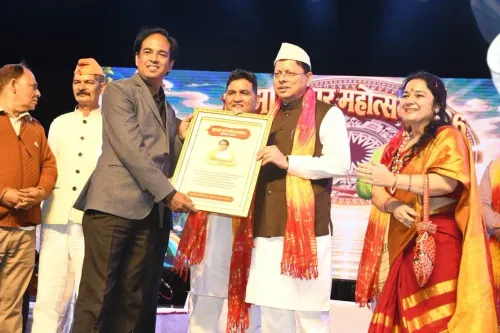
The post underlined recognition and economic encouragement for local artists, craftsmen, and traditional products .
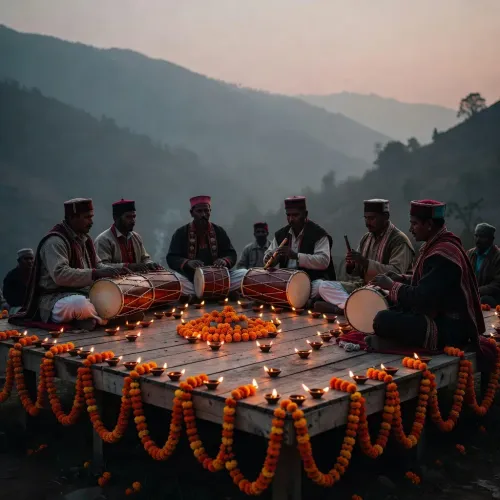
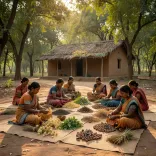
Uttarakhand's distinct Himalayan folk heritage — including Kumaoni-Garhwali music, aipan art, and ringal craft — forms the backdrop of the CM's remarks.
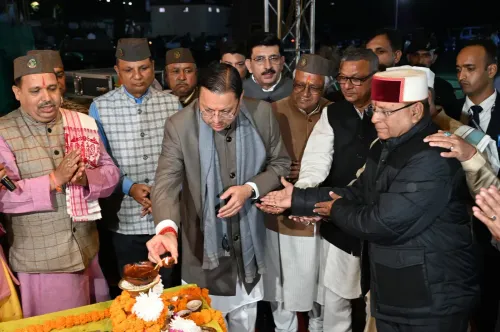
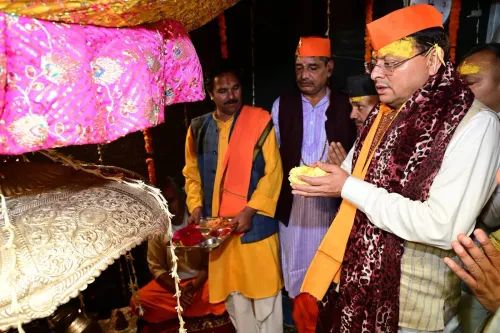
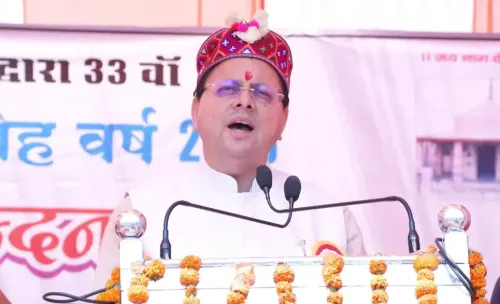
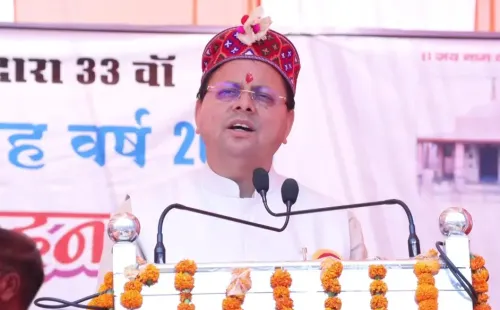
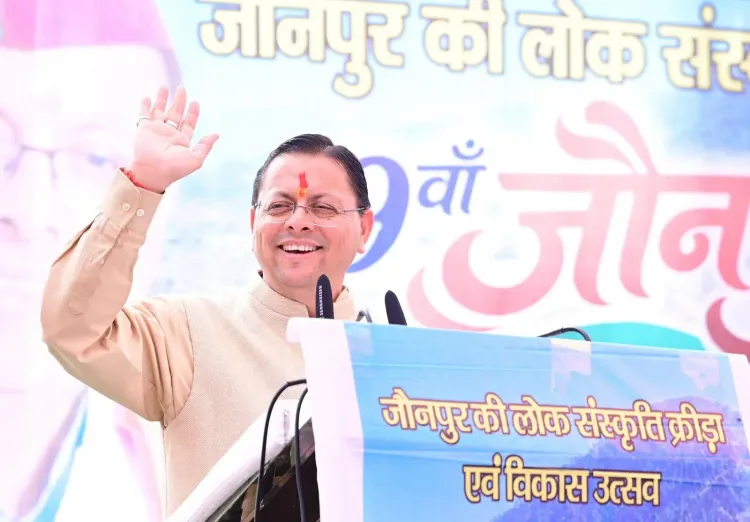
Uttarakhand's living heritage — its mountain songs, handwoven crafts, and centuries-old folk traditions — found a fresh advocate on Thursday, 12 November 2026, when Chief Minister Pushkar Singh Dhami took to X to underline why cultural gatherings are far more than festivity.
Replying to a post, CM Dhami wrote in Hindi: 'Aise aayojan hamari samridh lok sanskriti, lokkala, loksangeet aur paramparik virasat ke sanrakshan evam samvardhan mein mahatvapurna bhumika nibhate hain.' ('Such events play an important role in preserving and promoting our rich folk culture, folk art, folk music, and traditional heritage.') He added that these platforms connect the new generation to its cultural roots while giving recognition and encouragement to local artists, craftsmen, and products.
A Signal to Local Artists and Craftsmen
The Chief Minister's remarks carry practical weight for the thousands of artisans — weavers, woodcarvers, folk musicians, and traditional painters — who depend on state-backed events for visibility and income. Uttarakhand's Himalayan folk traditions, from Kumaoni and Garhwali music to ringal bamboo craft and aipan art, exist in a fragile equilibrium between living practice and gradual erosion. State-sponsored cultural melas and exhibitions have historically served as the most accessible marketplace and performance stage for rural creators who lack formal retail or digital reach.Bridging Generations Through Cultural Gatherings
Dhami specifically flagged the generational dimension — the risk that younger Uttarakhandis, pulled toward urban centres and digital culture, lose touch with the traditions their grandparents carried. Cultural festivals, in his framing, are not nostalgia exercises but active bridges. Across Indian states, this model has gained policy traction: governments treat folk festivals as a triple dividend — heritage preservation, youth engagement, and local-economy stimulus through craft and culinary tourism. Uttarakhand, with its pronounced out-migration challenge, has particular reason to invest in cultural identity as a retention and return incentive for its diaspora youth. The Chief Minister's post signals continued state attention to heritage programming — and sets an expectation for more structured support for the artists and craftsmen at the heart of these events.Point of View
Where out-migration hollows out rural communities, cultural patronage is also soft economic policy: festivals generate livelihoods for artisans and feed the experiential-tourism pipeline. The shout-out to 'recognition for local products' hints at a potential dovetailing with handicraft promotion and GI-tag drives. Watch for this rhetoric to precede concrete scheme announcements tied to heritage tourism or artisan welfare.
NationPress
12 Nov 2026
Frequently Asked Questions
What did CM Pushkar Singh Dhami say about cultural events?
CM Dhami said that such events play an important role in preserving and promoting folk culture, folk art, folk music, and traditional heritage, and also help connect the new generation to its cultural roots while supporting local artists and craftsmen.
Why are cultural festivals important for Uttarakhand?
Uttarakhand has a rich Himalayan folk heritage including Kumaoni and Garhwali music, aipan art, and ringal craft. Cultural festivals serve as platforms for rural artisans to gain visibility and income, while also countering the erosion of traditions due to urbanisation and out-migration.
How does CM Dhami support local artists in Uttarakhand?
Through public statements and state-backed cultural events, CM Dhami has consistently advocated for giving local artists, craftsmen, and traditional product makers greater recognition and economic encouragement.
What is Uttarakhand's folk heritage?
Uttarakhand's folk heritage includes Kumaoni and Garhwali music and dance forms, aipan (a traditional floor and wall art), ringal bamboo craft, and various handloom weaving traditions unique to the Himalayan region.
What is the connection between cultural festivals and Uttarakhand's youth?
CM Dhami emphasised that cultural gatherings bridge the generational gap by linking younger Uttarakhandis — many of whom have migrated to cities — back to the folk traditions and cultural identity of their home region.