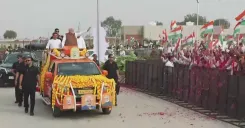
CM Dhami: Uttarakhand govt working to preserve literature and culture
Synopsis
Chief Minister Pushkar Singh Dhami reaffirmed on October 30, 2026 that the Uttarakhand government is actively working to preserve the state's literary and cultural heritage, including Garhwali, Kumaoni, and Jaunsari traditions.
Key Takeaways
CM Pushkar Singh Dhami publicly reaffirmed his government's commitment to the preservation of literature and culture on October 30, 2026 .
Uttarakhand is home to three primary linguistic traditions — Garhwali, Kumaoni, and Jaunsari — all of which face pressures from urbanisation and out-migration.
Dhami has led the state's BJP government since March 2021 , weaving regional cultural identity into his administration's broader agenda.
Successive state governments have backed culture through festivals and departments; advocates call for more institutionalised support such as language academies.
Cultural preservation in Uttarakhand also carries economic implications, supporting the state's growing heritage and experiential tourism sector.
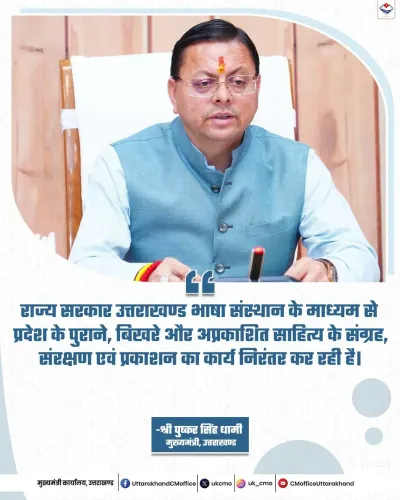
Uttarakhand's rich tapestry of Garhwali, Kumaoni, and Jaunsari traditions has a vocal champion in the state's top office. Chief Minister Pushkar Singh Dhami, on Friday, October 30, 2026, reaffirmed his government's commitment to safeguarding the state's literary and cultural heritage, declaring: 'Sahitya va sanskriti ke sanrakshan ke liye kaam kar rahi hai hamari sarkar' — 'Our government is working for the preservation of literature and culture.'
What CM Dhami's pledge means for Uttarakhand's folk traditions
Uttarakhand carries within its hills a living archive — folk songs passed down across generations, dialects that carry distinct identities, and literary traditions that predate modern statehood. Yet these languages and art forms have long faced the quiet erosion of migration and urbanisation. The Chief Minister's statement signals that the state administration intends to position cultural preservation as a governance priority, not merely a ceremonial gesture.
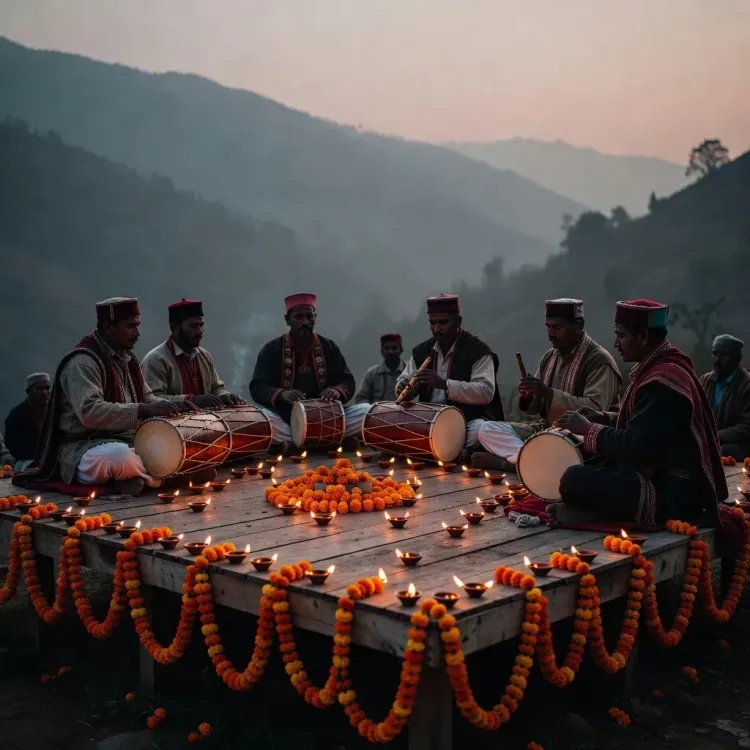
Garhwali, Kumaoni, and Jaunsari — the three primary linguistic streams of the state — have historically been supported through state cultural departments and seasonal festivals, but advocates for folk artists have long called for more institutionalised backing, including dedicated language academies and structured patronage programmes.
Dhami's broader identity agenda since 2021
Pushkar Singh Dhami has led the state's BJP government since March 2021, building a political brand that pairs infrastructure acceleration with a strong emphasis on regional identity. Cultural messaging fits squarely into that arc — previous Uttarakhand administrations have funded state-level literary festivals and folk-music competitions, and the current government has signalled an intent to deepen those commitments.
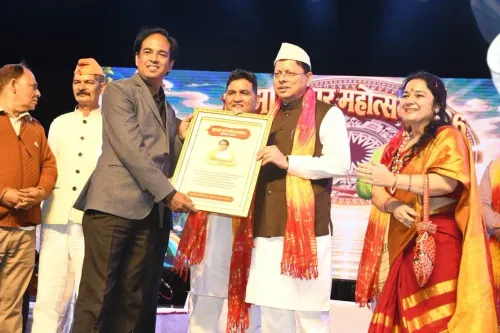
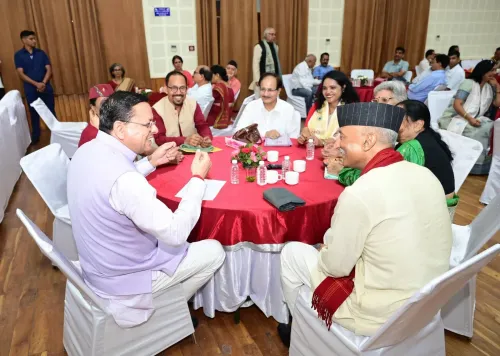
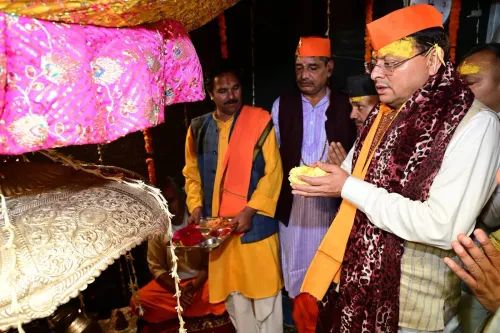
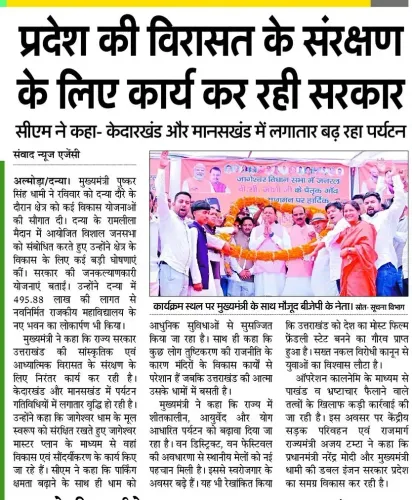
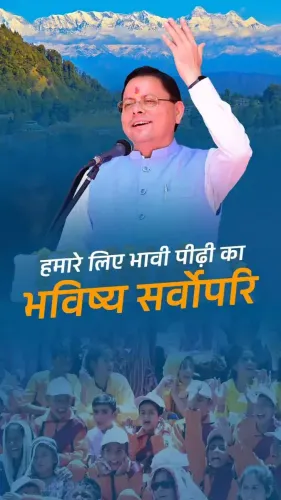
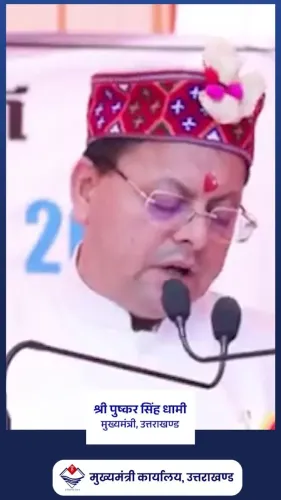
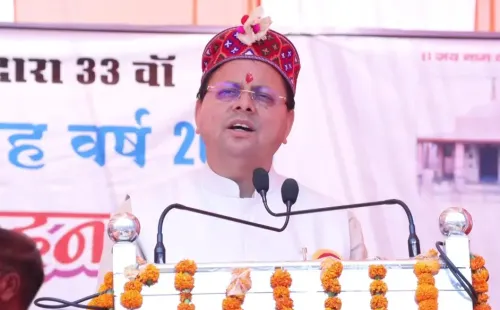
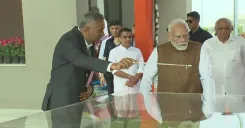
The statement, accompanied by three images in the post, suggests an event or interaction with cultural stakeholders — though specific details of the occasion were not disclosed in the announcement.
With Uttarakhand's tourism economy increasingly drawing visitors to experiential and heritage destinations, a robust cultural preservation framework serves a dual purpose: protecting identity and powering a distinct brand of cultural tourism that the Himalayan state is well-placed to offer.
The coming months may tell whether this reaffirmation translates into concrete announcements — new literature awards, language promotion schemes, or expanded artist support funds. For the folk artists and cultural organisations watching from the hills, the signal from Dehradun is clear. The question is what follows the words.
Point of View
Fragmented across distinct linguistic communities, represents both a political and policy challenge: sustaining momentum requires institutional delivery, not just declaration. If the government follows up with structured programmes — academies, awards, or artist welfare funds — it could set a replicable model for other smaller Indian states grappling with minority language erosion. The real test will be the budget line, not the headline.
NationPress
30 Oct 2026
Frequently Asked Questions
What did CM Pushkar Singh Dhami say about culture preservation?
CM Dhami stated that 'our government is working for the preservation of literature and culture,' reaffirming his administration's focus on safeguarding Uttarakhand's literary and cultural heritage.
Which languages and cultures is Uttarakhand trying to preserve?
The primary linguistic and folk traditions targeted for preservation include Garhwali, Kumaoni, and Jaunsari — the three main cultural streams of the state.
How long has Pushkar Singh Dhami been Chief Minister of Uttarakhand?
Pushkar Singh Dhami has been Chief Minister of Uttarakhand since March 2021 , heading the state BJP government.
What programmes does the Uttarakhand government run for folk artists?
Uttarakhand has historically supported folk artists and cultural organisations through state cultural departments and festivals; the current government has signalled intent to expand this support, though specific new schemes have not yet been announced.
Why is cultural preservation important for Uttarakhand's economy?
Cultural preservation in Uttarakhand supports the state's growing heritage and experiential tourism sector, helping attract visitors to the Himalayan region's distinct folk traditions and literary heritage.