CM Dhami: Jaunsar-Bawar festival bridges cultural generations
Synopsis
Chief Minister Pushkar Singh Dhami has described the Jaunsar-Bawar Folk Cultural Festival and Sports Event-2026 as a vital bridge for transmitting Uttarakhand's tribal folk culture and civilisation from one generation to the next.
Key Takeaways
CM Pushkar Singh Dhami publicly endorsed the Jaunsar-Bawar Lok Sanskriti Mahotsav evam Kreeda Samaroh-2026 as a generational cultural bridge.
Jaunsar-Bawar is a tribal region spanning Dehradun and Uttarkashi districts, home to the distinct Jaunsari community.
The festival combines folk dance, music and crafts with competitive sports to engage younger generations.
Uttarakhand has supported district-level cultural festivals since statehood in 2000 to counter erosion from out-migration.
The event also serves as a domestic tourism driver for a lesser-known tribal corridor near Dehradun .
Venue, performer and budget details for the 2026 edition are yet to be officially notified by the Culture Department .
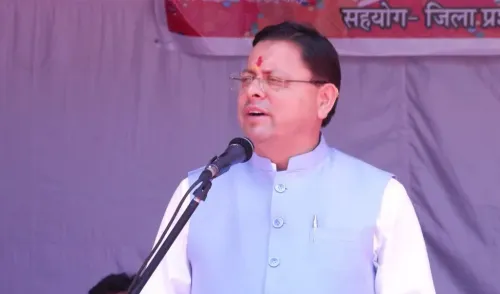
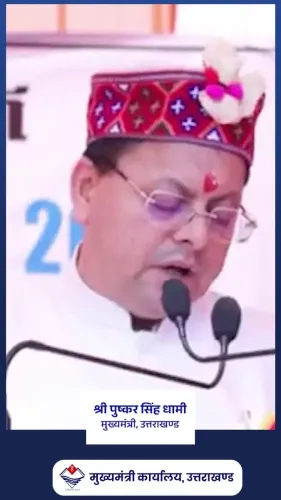
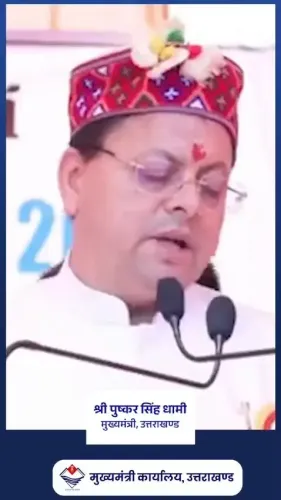
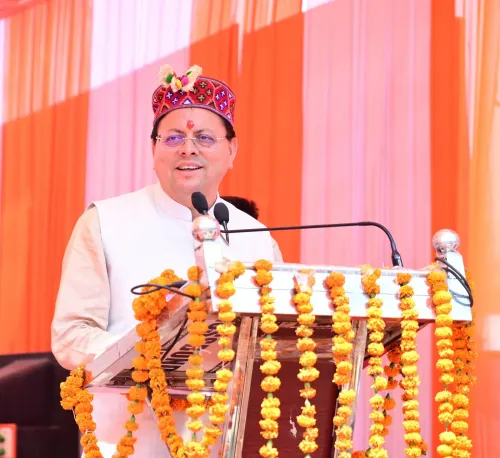
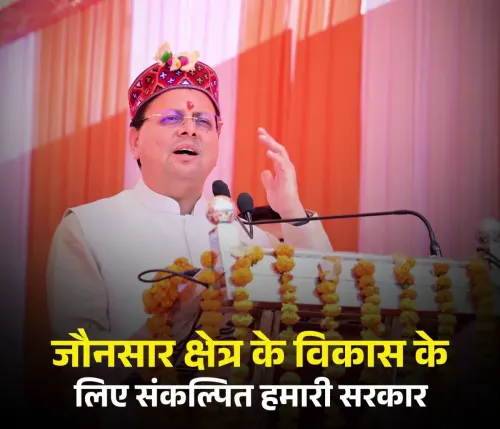
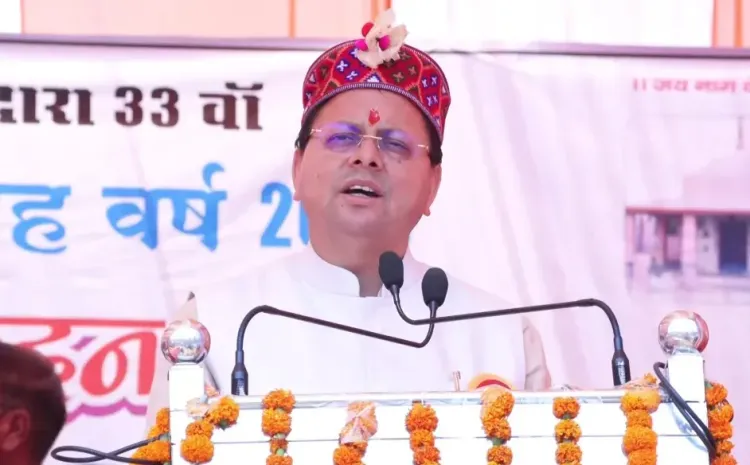
The Chief Minister's Office of Uttarakhand on Monday, 8 June 2026 quoted Chief Minister Pushkar Singh Dhami underscoring the role of the Jaunsar-Bawar Lok Sanskriti Mahotsav evam Kreeda Samaroh-2026 in transmitting the state's folk heritage across generations.
Speaking about the event, CM Dhami said: 'Jaunsar-Bawar Lok Sanskriti Mahotsav evam Kreeda Samaroh-2026 jaise karyakram hamari lok sanskriti aur sabhyata ko ek peedhi se doosri peedhi tak pahunchane ka mahatvapurna madhyam bante hain' — ['Events like the Jaunsar-Bawar Folk Cultural Festival and Sports Event-2026 become an important medium for passing our folk culture and civilisation from one generation to the next.']
Context
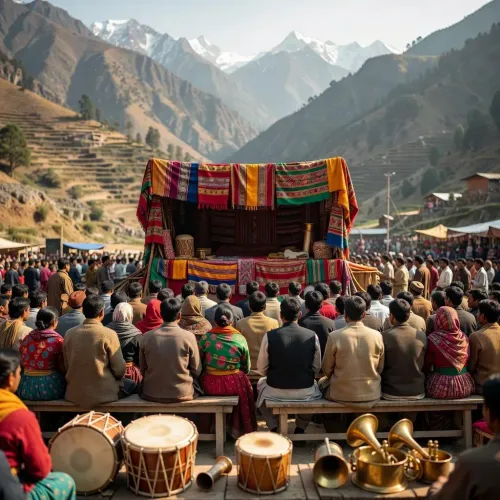
Jaunsar-Bawar is a tribal belt straddling parts of Dehradun and Uttarkashi districts in the hills of Uttarakhand. The Jaunsari community inhabiting this region speaks a distinct Indo-Aryan language and maintains customs — including polyandrous traditions and vibrant folk music — that set it apart from the broader Garhwali cultural mainstream. The annual folk festival and sports event is a recurring platform that brings together folk dancers, musicians, artisans and athletes from across the tribal pocket.Policy Backdrop
Since Uttarakhand attained statehood in 2000, successive state governments have supported district-level cultural festivals as instruments for documenting and reviving Himalayan tribal traditions under threat from rapid out-migration and urbanisation. CM Dhami, who has represented the BJP and led the state since July 2021, has consistently positioned cultural continuity alongside infrastructure and development as twin pillars of governance. The pairing of folk culture showcasing with competitive sports in the Jaunsar-Bawar festival reflects a deliberate strategy to draw younger participants who might otherwise disengage from traditional practices. This approach aligns with the national emphasis on safeguarding intangible heritage championed by the Union Ministry of Culture.Stakeholders and Impact
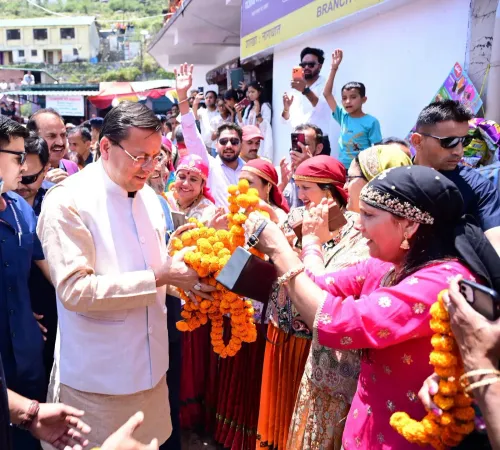
The primary beneficiaries of the festival are the Jaunsari tribal communities themselves — particularly local youth, folk artisans, and traditional performers whose livelihoods and identities are intertwined with the region's cultural calendar. Beyond community benefit, the event functions as a soft-power instrument for Uttarakhand's domestic tourism sector, drawing visitors to a lesser-known tribal corridor that sits within driving distance of Dehradun. State governments across India's Himalayan arc have increasingly recognised that such festivals generate economic activity for artisans and homestay operators while simultaneously building a living archive of intangible heritage.What's Next
Detailed logistics for the 2026 edition — including confirmed venues, invited performers, and any integration with central tribal development or cultural schemes — are expected to be notified by the Uttarakhand Culture Department. Observers will watch whether the state budget earmarks enhanced allocations for the event and whether the 2026 edition expands its sports component to include more traditional Jaunsari athletic disciplines. The Chief Minister's public endorsement signals official momentum behind the festival and is likely to encourage broader community participation ahead of the formal programme announcement.Point of View
Dhami reinforces outreach to communities that have historically felt peripheral to Dehradun-centric politics. The pairing of sports with folk culture is a calculated move to retain younger demographics who might otherwise see traditional festivals as irrelevant. Broader still, this fits a national pattern where state governments use intangible heritage events to assert regional identity while simultaneously feeding into central cultural diplomacy and tourism narratives.
NationPress
22 Oct 2026
Frequently Asked Questions
What is the Jaunsar-Bawar Folk Cultural Festival?
The Jaunsar-Bawar Folk Cultural Festival and Sports Event is a recurring regional programme in Uttarakhand that showcases the folk dances, music, crafts and traditional sports of the Jaunsari tribal community to promote cultural continuity across generations.
Where is Jaunsar-Bawar located?
Jaunsar-Bawar is a tribal belt spanning parts of Dehradun and Uttarkashi districts in the state of Uttarakhand, known for its distinct Jaunsari language, customs and traditions.
What did CM Pushkar Singh Dhami say about the 2026 festival?
CM Dhami said that events like the Jaunsar-Bawar Lok Sanskriti Mahotsav evam Kreeda Samaroh-2026 serve as an important medium for passing folk culture and civilisation from one generation to the next.
Why does Uttarakhand organise tribal folk festivals?
Uttarakhand has supported district-level folk festivals since statehood in 2000 to document and revive Himalayan tribal traditions facing erosion due to out-migration and modernisation, while also boosting domestic tourism in lesser-known regions.
When is the Jaunsar-Bawar festival 2026 scheduled?
Specific dates, venue and programme details for the 2026 edition have not yet been officially notified by the Uttarakhand Culture Department as of the Chief Minister's statement on 8 June 2026.