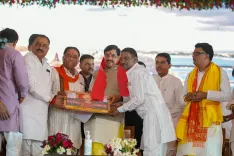
CM Dhami pledges platform for tribal culture via annual Mahotsav
Synopsis
Chief Minister Pushkar Singh Dhami has reaffirmed the Uttarakhand government's commitment to providing a 'strong platform' for tribal culture and heritage through the annual Uttarakhand Janjatiya Mahotsav, highlighting the state's ongoing cultural preservation efforts for Scheduled Tribe communities.
Key Takeaways
CM Pushkar Singh Dhami stated the annual Uttarakhand Janjatiya Mahotsav is designed to give tribal communities a strong platform for cultural expression.
Uttarakhand is home to four recognised Scheduled Tribe groups: Bhotia, Jaunsari, Tharu and Buksa .
The Mahotsav has been held annually since statehood, fitting a broader pattern of state-backed tribal cultural festivals across India.
The festival serves a dual purpose: cultural preservation and promotion of cultural tourism in the Himalayan state.
The statement was shared by the Chief Minister's Office of Uttarakhand on 9 June 2026 .
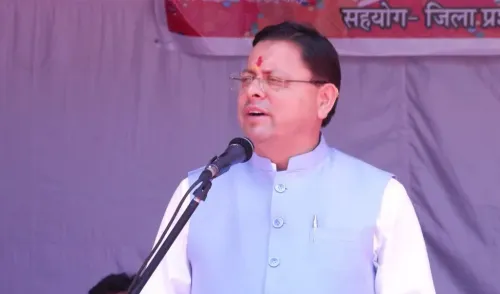
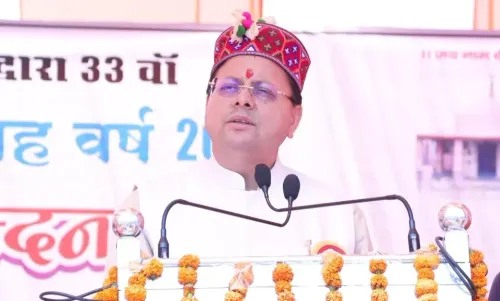
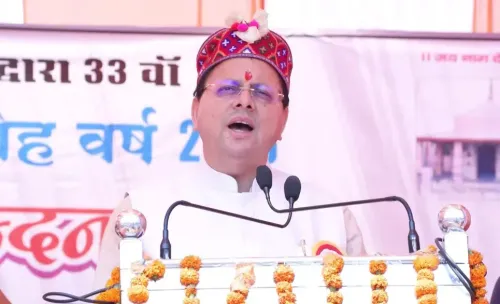
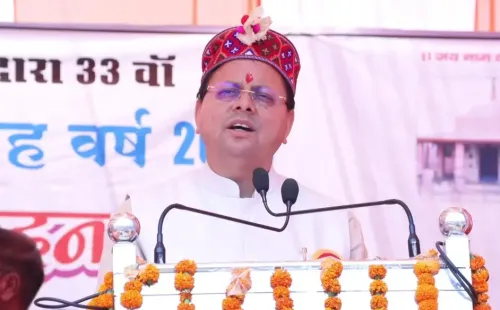
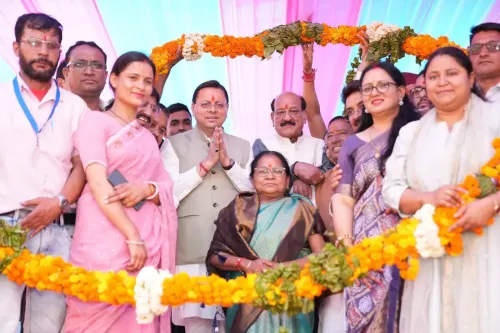
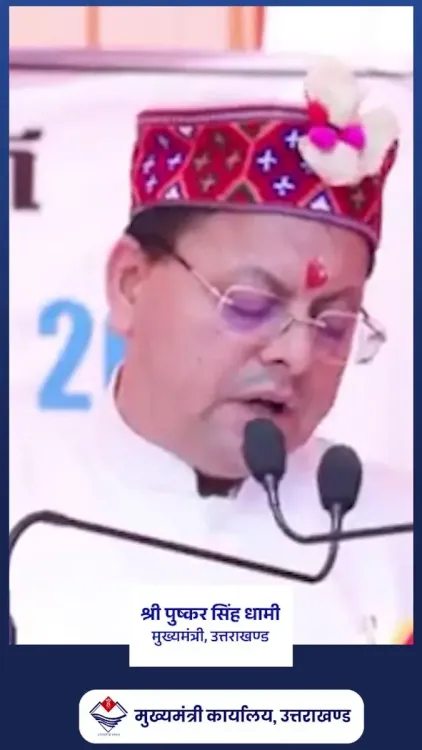
The Chief Minister's Office of Uttarakhand on Tuesday, 9 June 2026 shared a statement from Chief Minister Pushkar Singh Dhami reaffirming the state government's commitment to preserving and celebrating the culture and heritage of Uttarakhand's tribal communities through the annual Uttarakhand Janjatiya Mahotsav.
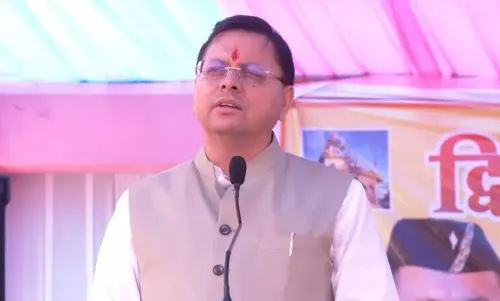
Speaking on the occasion, CM Dhami said: 'Humne prativarsh Uttarakhand Janjatiya Mahotsav ke madhyam se aapki sanskriti aur virasat ko ek sashakt manch dene ka prayas kiya hai' ['We have endeavoured, through the annual Uttarakhand Janjatiya Mahotsav, to provide a strong platform for your culture and heritage']. The statement signals the government's intent to continue the festival as a flagship vehicle for tribal cultural expression in the state.
Context
Uttarakhand, the Himalayan state carved out of Uttar Pradesh in November 2000, is home to several Scheduled Tribe communities including the Bhotia, Jaunsari, Tharu and Buksa groups. Each community carries distinct linguistic traditions, folk arts, and customary practices that have historically received limited mainstream visibility. The Janjatiya Mahotsav was conceived as a corrective — an annual occasion on which these traditions are brought to a public stage with state backing.
CM Dhami, who has led the state since March 2021, has consistently positioned cultural preservation alongside infrastructure development as twin pillars of his administration's identity agenda for Uttarakhand.
Policy Backdrop
Since statehood, successive governments in Dehradun have supported tribal cultural events as part of a broader heritage-preservation mandate. The annual Mahotsav sits within this continuum, complementing central-government initiatives run by the Ministry of Tribal Affairs under schemes designed to document and promote indigenous knowledge and art forms across India.
State-level tribal festivals have increasingly been linked to cultural tourism — a revenue stream that Uttarakhand, with its Himalayan geography and pilgrimage circuits, is well positioned to develop. The Janjatiya Mahotsav aligns with this sub-national policy pattern seen in states such as Jharkhand, Chhattisgarh and Odisha, where ethnic festivals double as tourism anchors.
Stakeholders and Impact
The primary beneficiaries of the Mahotsav are Uttarakhand's Scheduled Tribe communities, who gain a state-sponsored platform to perform, exhibit and transmit their traditions to younger generations and outside audiences. Artisans, folk musicians, weavers and oral historians from tribal belts across the state participate, giving the festival an economic as well as cultural dimension.
The cultural tourism sector also stands to gain: a well-publicised annual festival can attract domestic and international visitors to tribal regions, channelling spending into local economies. Civil-society organisations working on tribal rights and documentation have welcomed such festivals while also calling for year-round institutional support beyond a single annual event.
What's Next
The government's reaffirmation of the Mahotsav's role as a 'strong platform' suggests the event will continue to be organised annually, though the specific dates, venue and scale of the next edition are yet to be officially announced. Observers will watch for any expansion of tribal tourism circuits in Uttarakhand and for new budgetary provisions that could institutionalise support for tribal cultural preservation beyond the festival calendar. The statement by CM Dhami also arrives at a moment when states across India are sharpening their tribal-outreach credentials ahead of electoral cycles, making the political salience of such cultural commitments as significant as their policy content.
Point of View
Reinforcing the ruling party's tribal-outreach credentials in a state where Scheduled Tribe communities represent a meaningful electoral constituency. The statement fits a broader national pattern in which state governments use heritage festivals as low-cost, high-visibility instruments of identity politics. By anchoring the initiative in continuity — 'every year' — rather than announcing a new scheme, Dhami is consolidating existing goodwill rather than promising fresh resources, a distinction that tribal civil-society groups are likely to scrutinise. The move also dovetails with the central government's push to mainstream tribal culture through national initiatives, allowing the state government to align its messaging with Delhi without ceding credit.
NationPress
26 Oct 2026
Frequently Asked Questions
What is the Uttarakhand Janjatiya Mahotsav?
The Uttarakhand Janjatiya Mahotsav is an annual state-organised tribal festival that showcases the culture, heritage, folk arts and traditions of Uttarakhand's Scheduled Tribe communities, including the Bhotia, Jaunsari, Tharu and Buksa groups.
Which tribal communities live in Uttarakhand?
Uttarakhand has four main Scheduled Tribe communities: the Bhotia, Jaunsari, Tharu and Buksa, each with distinct languages, customs and artistic traditions spread across different regions of the Himalayan state.
What did CM Dhami say about tribal culture in Uttarakhand?
CM Pushkar Singh Dhami stated that through the annual Uttarakhand Janjatiya Mahotsav, the state government has endeavoured to provide a strong platform for tribal communities to showcase their culture and heritage.
When was Uttarakhand formed and why does it matter for tribal policy?
Uttarakhand was formed in November 2000 after being carved out of Uttar Pradesh. Since statehood, successive governments have supported tribal cultural events as part of a heritage-preservation mandate specific to the new state's identity.
How does the Janjatiya Mahotsav connect to tribal tourism in Uttarakhand?
The annual Mahotsav is increasingly linked to cultural tourism, attracting domestic and international visitors to tribal regions and channelling spending into local economies, complementing Uttarakhand's existing pilgrimage and Himalayan tourism circuits.