CM Dhami Pledges to Guard Uttarakhand's Folk Heritage
Synopsis
Uttarakhand CM Pushkar Singh Dhami on May 27, 2026 reaffirmed his government's commitment to preserving the state's folk culture, traditional attire, art, music, and cuisine, invoking PM Modi's guidance and pledging to protect Devbhoomi's identity for future generations.
Key Takeaways
CM Pushkar Singh Dhami posted on May 27, 2026 reaffirming the state government's commitment to cultural preservation.
The pledge covers folk culture, traditional attire, folk art, folk music, and traditional cuisine of Uttarakhand.
The post credits PM Narendra Modi's leadership as the guiding force behind this effort.
The government frames its goal as protecting Devbhoomi's original character alongside development.
The stated aim is to enable future generations to take pride in Uttarakhand's rich heritage.
The policy direction aligns with the national Ek Bharat Shreshtha Bharat framework launched in 2015.
Uttarakhand Chief Minister Pushkar Singh Dhami on Wednesday, May 27, 2026 reaffirmed his government's commitment to preserving the state's folk culture, traditional attire, folk art, music, and cuisine, crediting the leadership of Prime Minister Narendra Modi for guiding the effort.
Context
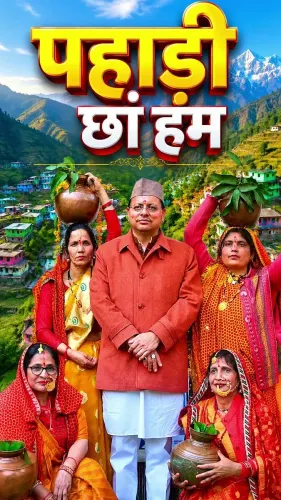
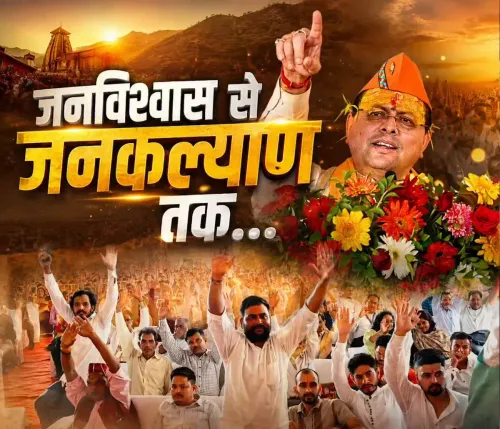
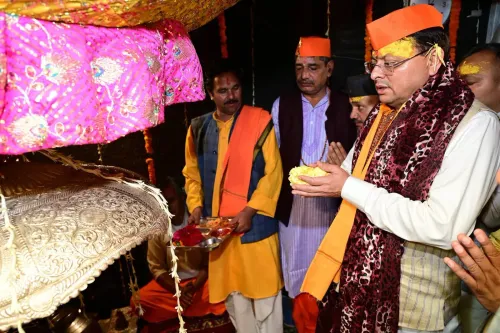
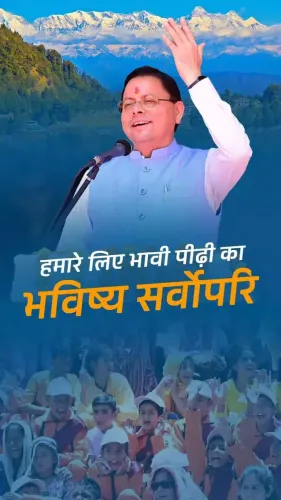
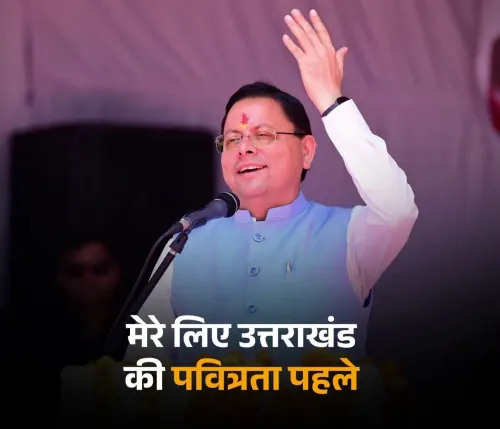
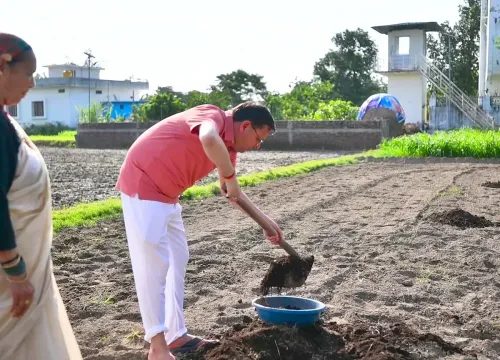
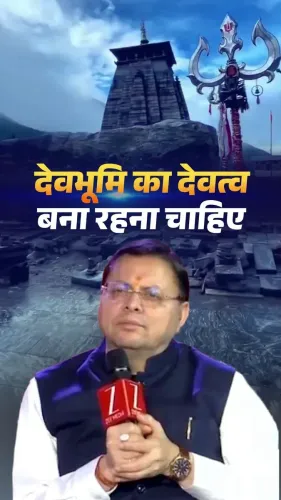
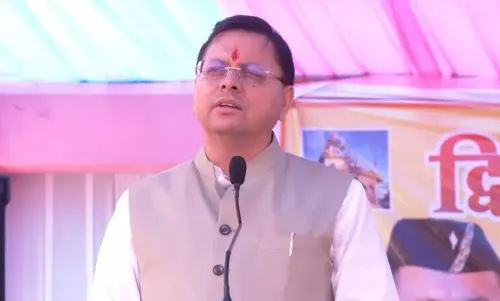
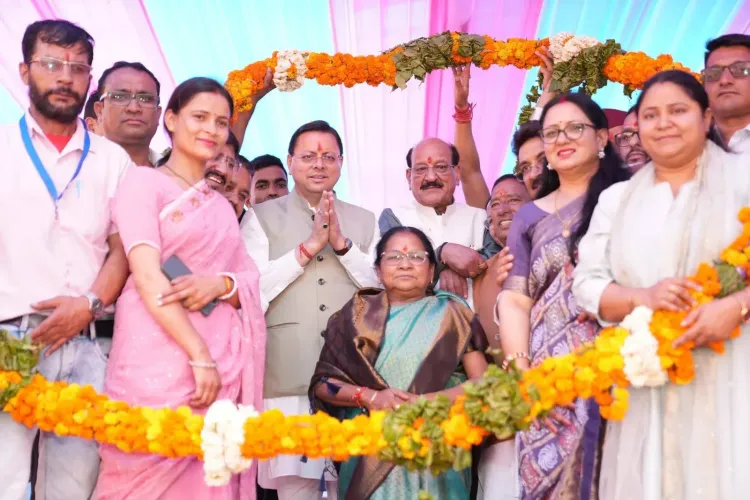
In a post on X, CM Dhami wrote — 'आदरणीय प्रधानमंत्री श्री नरेंद्र मोदी जी के कुशल नेतृत्व और मार्गदर्शन में हमारी सरकार उत्तराखंड की लोक संस्कृति, पारंपरिक वेशभूषा, लोक कला, लोक संगीत एवं पारंपरिक खान-पान के संरक्षण और संवर्धन हेतु निरंतर कार्य कर रही है' — translated: 'Under the able leadership and guidance of the respected Prime Minister, our government is continuously working for the preservation and promotion of Uttarakhand's folk culture, traditional attire, folk art, folk music, and traditional cuisine.' The post was accompanied by four images, underscoring the visual richness of the state's intangible heritage.
Dhami added that the government is advancing with a resolve to protect the original character of Devbhoomi — the sacred name by which Uttarakhand is widely known — so that future generations can take pride in their rich legacy.
Policy Backdrop
Uttarakhand was carved out as a separate state in 2000, and the protection of its distinct cultural and linguistic identity was a central justification for statehood. The Himalayan state is home to a variety of folk traditions unique to its hill communities, including Garhwali and Kumaoni music, handwoven textiles, and a cuisine shaped by high-altitude agriculture.
At the national level, the Ek Bharat Shreshtha Bharat initiative, launched in 2015, has encouraged states to document and promote regional folk arts, music, and cuisine through structured inter-state exchanges. BJP-led governments at both the Centre and in Uttarakhand have consistently paired infrastructure expansion with public messaging on safeguarding intangible heritage, a pattern visible across pilgrimage and tourism projects that highlight traditional practices while building connectivity.
Stakeholders and Impact
The communities most directly affected by such cultural policy commitments are Uttarakhand's folk artists, weavers, musicians, and hill farming households whose livelihoods are intertwined with the preservation of traditional practices. State-level recognition and promotion can translate into funding for cultural festivals, artisan support programmes, and inclusion in tourism circuits.
For younger residents of the hill state — many of whom migrate to plains cities for work — government messaging around heritage pride is also a political signal ahead of the 2027 Uttarakhand assembly elections. Cultural identity has historically been a mobilising theme in the state.
What's Next
Observers will watch for concrete policy announcements — such as state budget allocations for cultural preservation or new schemes for folk artists — that give operational substance to CM Dhami's stated resolve. Participation in national events showcasing Himalayan folk traditions could also follow. If the government's pledge translates into measurable institutional support, it could strengthen Uttarakhand's positioning as both a spiritual and cultural destination, reinforcing the 'Devbhoomi' identity at a time when heritage tourism is growing across the Himalayan region.
Point of View
Not competing, goals. By invoking PM Modi's guidance, Dhami ties state-level cultural policy to the broader national project of asserting civilisational pride, a framing that has proven electorally effective across Hindi-belt hill states. With the 2027 Uttarakhand assembly elections on the horizon, messaging around Devbhoomi identity serves both as a policy signal to folk artists and hill communities and as a reminder to voters of the party's cultural stewardship. The real test will be whether this commitment is backed by budget allocations and institutional mechanisms rather than remaining aspirational rhetoric.
NationPress
10 Oct 2026
Frequently Asked Questions
What did Uttarakhand CM Dhami say about folk culture preservation?
CM Pushkar Singh Dhami stated on May 27, 2026 that his government is continuously working to preserve and promote Uttarakhand's folk culture, traditional attire, folk art, folk music, and traditional cuisine under PM Modi's guidance.
What is Devbhoomi and why is it significant?
Devbhoomi, meaning 'Land of the Gods,' is the widely used name for Uttarakhand, reflecting its deep religious and cultural significance as home to major Hindu pilgrimage sites and a rich tradition of Garhwali and Kumaoni folk heritage.
What is the Ek Bharat Shreshtha Bharat initiative?
Ek Bharat Shreshtha Bharat is a national initiative launched in 2015 that encourages Indian states to document and promote their regional folk arts, music, and cuisine through structured inter-state cultural exchanges.
When was Uttarakhand formed and why?
Uttarakhand was formed as a separate state in 2000, with the protection of its distinct cultural and linguistic identity being a central reason for its creation from the larger state of Uttar Pradesh.
What can we expect from the Uttarakhand government on cultural policy?
Observers are watching for state budget allocations for cultural preservation, new schemes supporting folk artists, and possible participation in national events showcasing Himalayan traditions, particularly as the 2027 assembly elections approach.