CM Dhami hails Jaunsar Bawar as soul of Uttarakhand
Synopsis
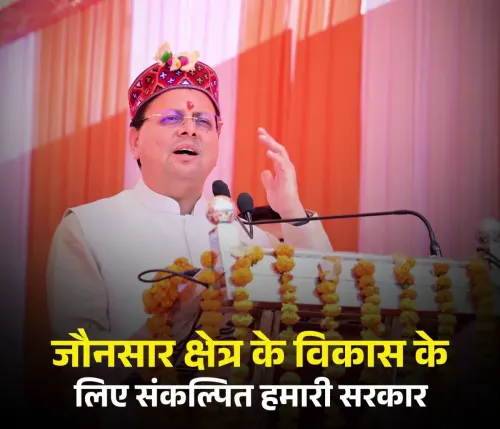
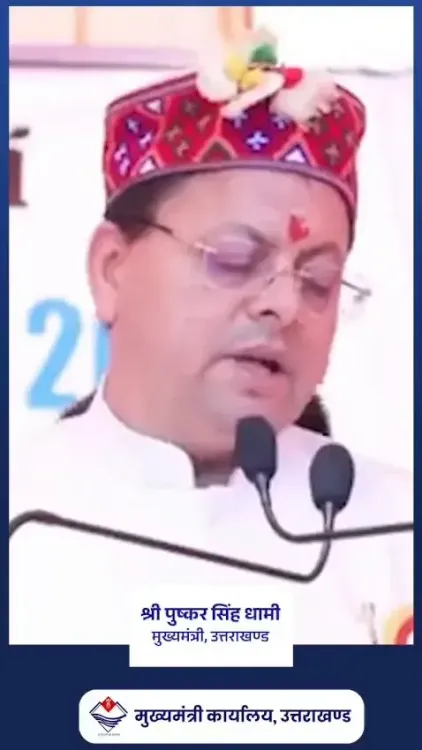
Chief Minister Pushkar Singh Dhami visited Jaunsar Bawar on 8 June 2026 and described the tribal Dehradun region as the living soul of Uttarakhand, in remarks released by the Chief Minister's Office on X.
Key Takeaways
CM Pushkar Singh Dhami visited Jaunsar Bawar in Dehradun district on 8 June 2026 .
He described the tribal region as 'the very soul of all of Uttarakhand.' Jaunsar Bawar is home to the Jaunsari community , a Scheduled Tribe with distinct language and customs.
The Chief Minister's Office shared the remarks via an official video post on X.
The visit follows a pattern of state-level outreach to tribal belts in Dehradun, Uttarkashi , and Chamoli districts.
Follow-up policy announcements on cultural tourism or tribal welfare are expected.
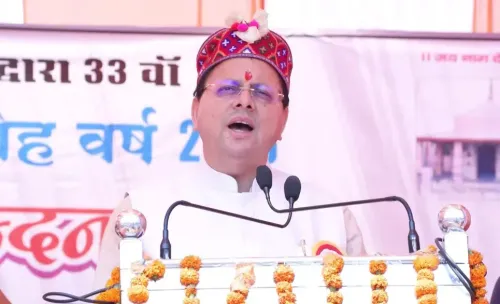
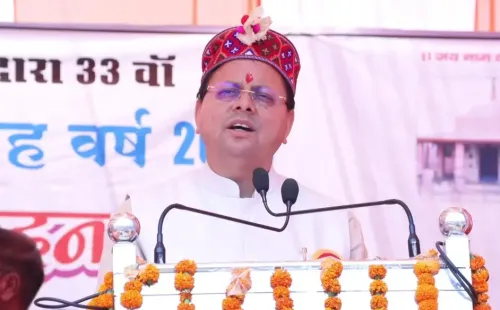
Chief Minister Pushkar Singh Dhami on Monday, 8 June 2026, described the tribal region of Jaunsar Bawar in Dehradun district as the living embodiment of Uttarakhand's core identity, in remarks shared by the Chief Minister's Office of Uttarakhand on its official X account.
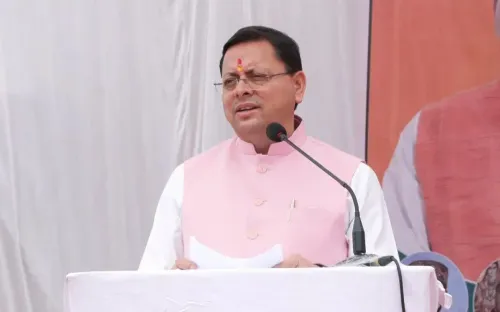
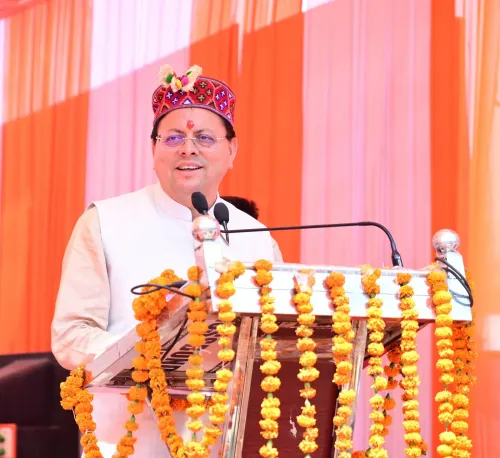
Speaking during a visit to the region, CM Dhami said: 'Jab bhi main Jaunsar Bawar ki dharti par aata hoon toh mujhe aisa anubhav hota hai ki maano main poore Uttarakhand ki mool aatma ke sakshat darshan kar raha hoon' — 'Every time I come to the land of Jaunsar Bawar, I feel as though I am witnessing the very soul of all of Uttarakhand in person.'
Context
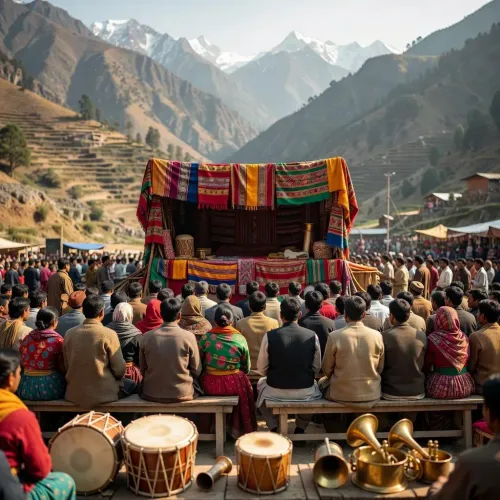
Jaunsar Bawar is a tribal belt nestled in the western Himalayan ranges of Dehradun district, home to the Jaunsari community — a Scheduled Tribe group with a distinct dialect, polyandrous marriage traditions, and festivals that predate the modern state. The region's relative geographic isolation has preserved customs that anthropologists regard as among the oldest surviving in the Garhwal hills.
The Chief Minister's Office released the statement alongside a video from the visit, signalling an official outreach to one of the state's more remote constituencies. Uttarakhand was carved out of Uttar Pradesh on 9 November 2000, and successive governments have periodically invoked its tribal and Himalayan heritage as a marker of distinct statehood.
Policy Backdrop
CM Dhami, who has led the state since 2021, has consistently framed cultural preservation as central to his government's agenda. Official visits to Scheduled Tribe areas in Dehradun, Uttarkashi, and Chamoli districts are typically accompanied by announcements on connectivity, tourism infrastructure, or welfare schemes targeting tribal populations.
The state government's outreach to Jaunsar Bawar fits a broader pattern of using cultural messaging to reinforce an inclusive narrative of Uttarakhand's Himalayan identity — one that foregrounds remote tribal communities alongside the more prominent pilgrimage and adventure-tourism economy. Such visits also carry electoral weight, as tribal constituencies in Dehradun district are closely contested.
Stakeholders and Impact
The Jaunsari community stands as the primary stakeholder in any policy attention directed at the region. Community leaders and cultural organisations in Jaunsar Bawar have long sought greater representation in state cultural bodies and improved road and digital connectivity to the tribal belt.
For the wider state, the Chief Minister's remarks reinforce a symbolic politics of belonging — positioning tribal Uttarakhand not as a peripheral concern but as the spiritual heartland of the state. Cultural tourism operators and heritage conservationists are likely to welcome the visibility such high-level visits bring to the region.
What's Next
Observers will watch for follow-up announcements from the Chief Minister's Office on cultural tourism schemes, tribal welfare allocations, or infrastructure projects tied to this visit. Subsequent official engagements with other tribal pockets — including communities in Uttarkashi and the Rawain belt — would indicate whether this outreach is part of a sustained campaign or a standalone gesture.
If the government converts this cultural messaging into concrete policy commitments for Jaunsar Bawar, it could set a precedent for how Uttarakhand integrates its tribal heritage into mainstream development planning ahead of the next state assembly cycle.
Point of View
Elevating a Scheduled Tribe region to symbolic primacy within the state's identity narrative. It reflects a wider pattern among Himalayan state governments of using tribal heritage as both a soft-power asset and an electoral signal in closely contested constituencies. The remarks also arrive at a moment when cultural tourism is being positioned as a pillar of Uttarakhand's economic strategy, lending the statement a policy dimension beyond ceremonial sentiment. Whether the visit translates into concrete tribal welfare commitments will determine its lasting political significance.
NationPress
29 Jul 2026
Frequently Asked Questions
Where is Jaunsar Bawar located?
Jaunsar Bawar is a tribal region in the western Himalayan ranges of Dehradun district, Uttarakhand, home to the Jaunsari Scheduled Tribe community.
What did CM Dhami say about Jaunsar Bawar?
CM Pushkar Singh Dhami said that every time he visits Jaunsar Bawar, he feels he is witnessing the very soul of all of Uttarakhand in person.
Who are the Jaunsari people?
The Jaunsari are a Scheduled Tribe community in Dehradun district known for a distinct dialect, ancient customs, and festivals considered among the oldest surviving traditions in the Garhwal hills.
Why does CM Dhami visit Jaunsar Bawar?
Official visits to Jaunsar Bawar are part of the Uttarakhand government's broader outreach to Scheduled Tribe regions, typically linked to cultural preservation, tourism promotion, and tribal welfare initiatives.
When did CM Dhami make the Jaunsar Bawar statement?
The Chief Minister's Office of Uttarakhand shared the statement on 8 June 2026 via its official X account, accompanied by a video from the visit.