CM Dhami Reaffirms Govt Focus on Jaunsar Bawar Tribal Development
Synopsis
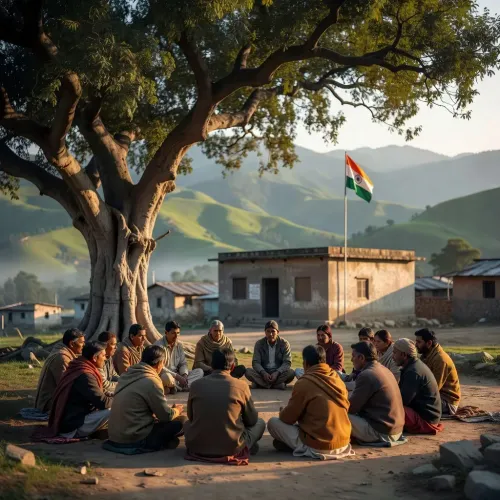
Uttarakhand Chief Minister Pushkar Singh Dhami on June 8, 2026, publicly reaffirmed his government's determined commitment to the holistic development of Jaunsar Bawar, a scheduled tribal region in Dehradun and Uttarkashi districts, signalling continued policy focus on one of the state's most remote communities.
Key Takeaways
CM Pushkar Singh Dhami posted on June 8, 2026 , reaffirming government resolve for development of Jaunsar Bawar .
Jaunsar Bawar is a scheduled tribal region spanning Dehradun and Uttarkashi districts, home to the Jaunsari Scheduled Tribe community.
The region has been a focus of state welfare policy since Uttarakhand's formation in November 2000 .
Constitutional provisions under Articles 46 and 275 and the Forest Rights Act, 2006 underpin tribal welfare frameworks applicable to the area.
Specific projects and budget allocations for the region are anticipated in upcoming state budget and tribal sub-plan disclosures.
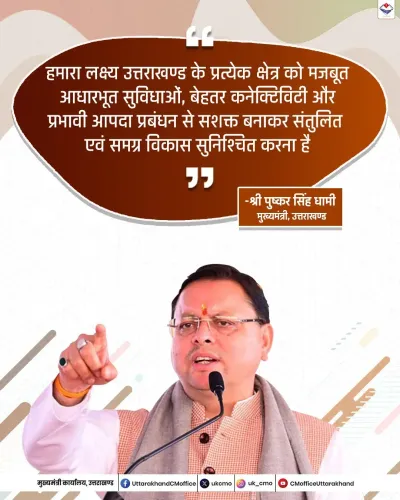
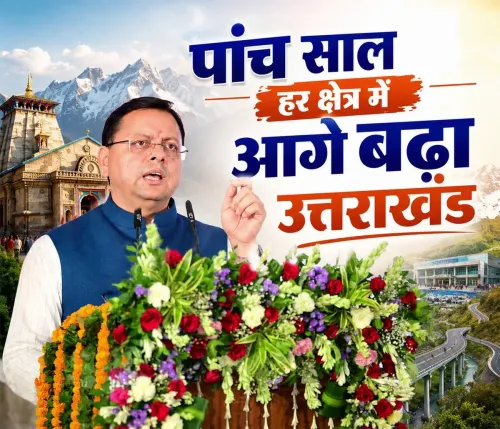
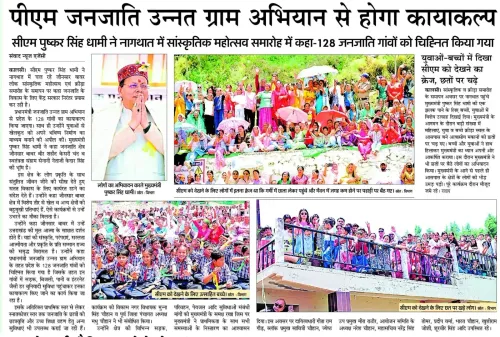
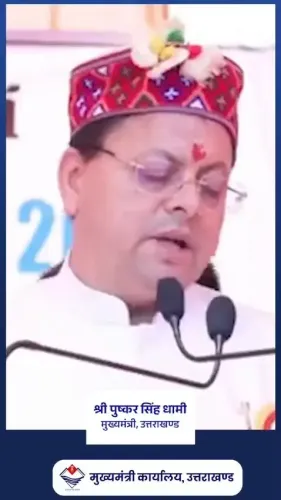
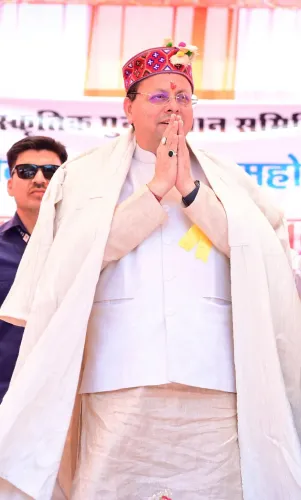
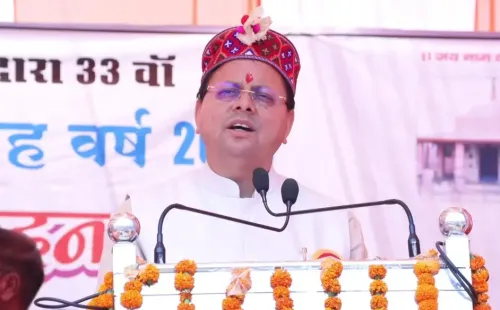
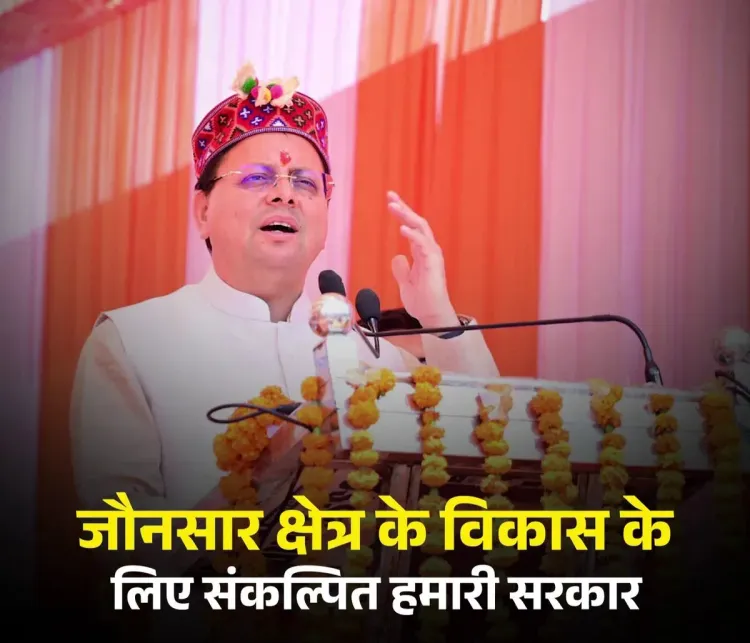
Uttarakhand Chief Minister Pushkar Singh Dhami on Monday, June 8, 2026, reaffirmed his government's commitment to the holistic development of Jaunsar Bawar, the scheduled tribal region spanning parts of Dehradun and Uttarkashi districts. Posting on X, the Chief Minister stated that the state government is working with unwavering resolve toward the comprehensive uplift of the tribal area.
In his post, CM Dhami wrote: 'जनजातीय क्षेत्र जौनसार बावर के समग्र विकास के लिए हमारी सरकार कृत संकल्पित भाव से कार्य कर रही है।' — translated: 'Our government is working with determined resolve for the overall development of the tribal area Jaunsar Bawar.'
Context
Jaunsar Bawar is home to the Jaunsari community, a Scheduled Tribe recognised under Indian law. The region's rugged, remote terrain has historically limited access to education, healthcare, and economic opportunity, making it a persistent focus of state welfare policy since Uttarakhand's formation in November 2000.
The region falls under constitutional provisions designed to protect and promote tribal welfare, including Articles 46 and 275 of the Constitution, which mandate state support for the educational and economic interests of Scheduled Tribes and provide grants for tribal sub-plans.
Policy Backdrop
The Scheduled Tribes and Other Traditional Forest Dwellers (Recognition of Forest Rights) Act, 2006 established a national legal framework recognising tribal communities' rights over land and forest resources — provisions directly applicable to areas such as Jaunsar Bawar. Successive Uttarakhand governments have built welfare and infrastructure programmes on this foundation.
The current BJP-led state government under CM Dhami, in office since July 2021, has aligned its tribal outreach with national frameworks that prioritise connectivity, education, and health delivery in geographically isolated pockets of the Himalayan state. The Chief Minister's statement signals continued policy attention to the region ahead of upcoming state budget cycles.
Stakeholders and Impact
The primary beneficiaries of any intensified development push in Jaunsar Bawar are the Jaunsari tribal communities and other residents of the area, who have long sought improved road connectivity, schools, health centres, and livelihood support. Civil society organisations working in tribal welfare have consistently highlighted the socio-economic gap between these hill communities and more accessible parts of the state.
The statement also carries political significance, as tribal constituencies in Uttarakhand remain important electoral segments for all major parties. A visible government focus on the region reflects both developmental intent and the broader national emphasis on Scheduled Tribe welfare under central government schemes.
What's Next
Concrete details of projects, timelines, and budget allocations for Jaunsar Bawar are expected to emerge through upcoming state budget presentations and tribal sub-plan disclosures. Observers will watch whether the Chief Minister's renewed public commitment translates into specific infrastructure or welfare announcements for the region in the months ahead.
Point of View
The absence of specific project details means its impact will be judged by subsequent budgetary action. The real test for the government will be whether tribal sub-plan allocations and on-ground delivery in this geographically isolated region keep pace with the political messaging.
NationPress
23 Oct 2026
Frequently Asked Questions
What is Jaunsar Bawar and why is it significant?
Jaunsar Bawar is a scheduled tribal region in Uttarakhand, spanning parts of Dehradun and Uttarkashi districts, and is home to the Jaunsari community recognised as a Scheduled Tribe. Its remote, hilly terrain has historically limited access to basic services, making it a priority area for state welfare policy.
What did CM Dhami say about Jaunsar Bawar?
CM Pushkar Singh Dhami stated on June 8, 2026, that his government is working with 'determined resolve' for the overall development of the tribal area Jaunsar Bawar, signalling continued policy attention to the region.
What government schemes apply to tribal areas like Jaunsar Bawar?
Constitutional provisions under Articles 46 and 275 mandate state support for Scheduled Tribe welfare, while the Scheduled Tribes and Other Traditional Forest Dwellers (Recognition of Forest Rights) Act, 2006, provides legal recognition of tribal land and resource rights applicable to areas like Jaunsar Bawar.
Who are the Jaunsari people?
The Jaunsari are an indigenous community inhabiting the Jaunsar Bawar region of Uttarakhand and are officially recognised as a Scheduled Tribe under Indian law, entitling them to specific constitutional protections and government welfare programmes.
What is Pushkar Singh Dhami's role in Uttarakhand?
Pushkar Singh Dhami has served as Chief Minister of Uttarakhand since July 2021, leading the BJP state government with a focus on development and welfare initiatives across the state, including its remote tribal regions.