CM Dhami Pushes New Sports Policy for Uttarakhand Tribal Youth
Synopsis
Uttarakhand CM Pushkar Singh Dhami on June 8, 2026 outlined a new state sports policy aimed at nurturing tribal youth talent, improving facilities, and connecting tribal communities to education, employment, and competitive sports at national and international levels.
Key Takeaways
Uttarakhand CM Pushkar Singh Dhami on June 8, 2026 highlighted the state's new sports policy at a local event.
The policy aims to sharpen sporting talent among youth and prepare them for national and international competition .
A specific focus is on tribal areas , including regions like Jaunsar-Bawar, to bring tribal youth into the development mainstream.
The initiative combines sports infrastructure with education, employment, and self-employment opportunities for tribal communities.
The event was attended by BJP MLA Munna Chauhan , party functionary Geetaram Gaud , and former district panchayat president Madhu Chauhan .
The policy aligns with the central government's Khelo India programme launched in 2017 for grassroots sports development.
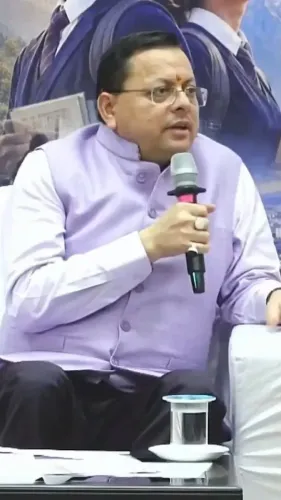
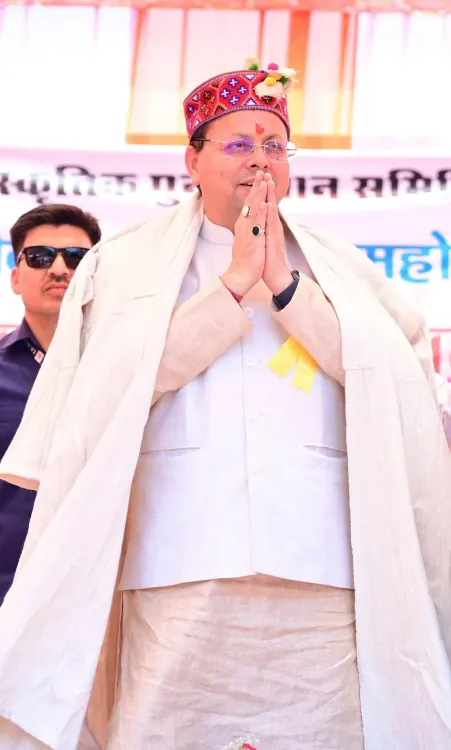
Uttarakhand Chief Minister Pushkar Singh Dhami on Monday, June 8, 2026, highlighted the state government's new sports policy as a vehicle for nurturing athletic talent among tribal youth and connecting them to the mainstream of development through education, sports, and employment opportunities.
Context
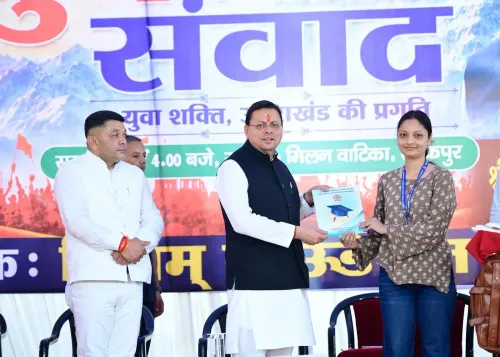
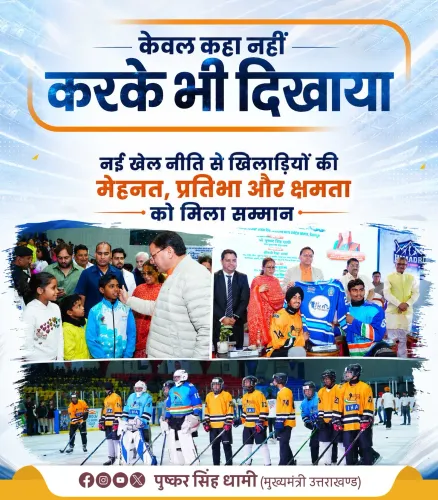
Addressing a local event attended by BJP MLA Munna Chauhan, party functionary Geetaram Gaud, and former district panchayat president Madhu Chauhan, the Chief Minister stated that an enabling environment was being created through the new sports policy to sharpen the sporting talents of young people and provide them better facilities. In his words, 'nai khel niti ke madhyam se yuvaon ki khel pratibhaon ko nikharne' ('through the new sports policy, the sporting talents of youth are being polished'), with a focus on performance at both national and international levels.
The Chief Minister specifically flagged tribal areas as a priority, saying the government's goal was to provide tribal youth better opportunities in education, sports, employment, and self-employment to bring them into the development mainstream.
Policy Backdrop
Uttarakhand's interest in sports infrastructure dates to the state's formation in 2000, with successive governments grappling with the logistical challenges posed by its hilly terrain. The state's latest sports policy initiative builds on the framework of the central government's Khelo India programme, launched in 2017, which channels funding and infrastructure support to states for grassroots-level sports development.
Tribal belts such as Jaunsar-Bawar and the Bhotia regions have historically had limited access to organised sports infrastructure. The current policy thrust seeks to address this gap by combining talent identification with broader socio-economic mainstreaming for Scheduled Tribe communities.
Stakeholders and Impact
The primary beneficiaries identified are tribal youth across Uttarakhand's designated tribal districts, who stand to gain access to improved training facilities, coaching, and pathways to competitive sports at the state, national, and international levels. Young athletes from non-tribal hilly areas are also expected to benefit from the broader infrastructure push.
Local elected representatives, including MLA Munna Chauhan, are positioned as ground-level facilitators for the policy's outreach, signalling the BJP's intent to embed the initiative within its grassroots network in the state. Employment and self-employment components suggest the policy is designed not merely as a sports programme but as a livelihood intervention for marginalised communities.
What's Next
The state government is expected to roll out phased construction of new training centres and talent-scouting programmes in tribal districts. A review of policy implementation is anticipated within the next assembly session, where specific allocations and timelines are likely to be placed on record.
The broader pattern across BJP-ruled Himalayan states of combining sports promotion with tribal development goals suggests Uttarakhand's approach may serve as a template for similar initiatives in other hill and northeastern states, particularly as the central government continues to emphasise sporting excellence alongside regional equity.
Point of View
The BJP attempts to address longstanding equity gaps in Uttarakhand's hill and tribal belts ahead of future electoral cycles. The dual emphasis on sporting excellence and socio-economic inclusion mirrors a broader central government template that has been deployed across BJP-ruled states to consolidate support among Scheduled Tribe communities. Grounding the announcement at a local event with constituency-level party figures signals that implementation is being routed through the party's grassroots machinery rather than purely bureaucratic channels. The test will be whether phased infrastructure rollouts in remote tribal districts actually materialise within the timelines the next assembly session is expected to establish.
NationPress
20 Sept 2026
Frequently Asked Questions
What is Uttarakhand's new sports policy about?
Uttarakhand's new sports policy is a state initiative to improve sports infrastructure, identify talent among youth, and create an environment for athletes to compete at national and international levels, with a specific focus on tribal areas.
How does the sports policy benefit tribal youth in Uttarakhand?
The policy targets tribal youth in regions such as Jaunsar-Bawar by providing better access to sports facilities alongside education, employment, and self-employment opportunities, aiming to bring them into the development mainstream.
What is the Khelo India programme and how is it related?
Khelo India is a central government programme launched in 2017 that funds grassroots sports development across states. Uttarakhand's new sports policy builds on this framework to address the specific challenges of its hilly and tribal terrain.
Who attended the event where CM Dhami spoke about the sports policy?
The event was attended by BJP MLA Munna Chauhan, party functionary Geetaram Gaud, and former district panchayat president Madhu Chauhan, along with other dignitaries.
What are the next steps for Uttarakhand's sports policy implementation?
The state government is expected to roll out new training centres and talent-scouting programmes in tribal districts in phases, with a policy review anticipated during the next assembly session.