CM Office: 16 Van Dhan Kendras Train 2,395 Tribals Under PM-JANMAN
Synopsis
Chhattisgarh's CMO reports 16 Van Dhan Vikas Kendras active under PM-JANMAN in PVTG areas, training 2,395 tribal members in entrepreneurship — converging TRIFED's forest-produce enterprise model with India's flagship PVTG development mission.
Key Takeaways
16 Van Dhan Vikas Kendras are active in Particularly Vulnerable Tribal Group areas of Chhattisgarh under the PM-JANMAN scheme.
2,395 tribal members have received entrepreneurship training through these centres.
PM-JANMAN was launched under the Union Budget 2023-24 to cover 75 identified PVTG communities nationwide.
Van Dhan Yojana was originally launched by TRIFED in 2018 to build minor forest produce processing clusters.
Chhattisgarh's forest cover spans roughly 44 percent of the state, making it a priority zone for forest-based tribal livelihood programmes.
The model targets self-reliance through local resource-based enterprise, aiming to reduce wage dependency and out-migration from PVTG villages.
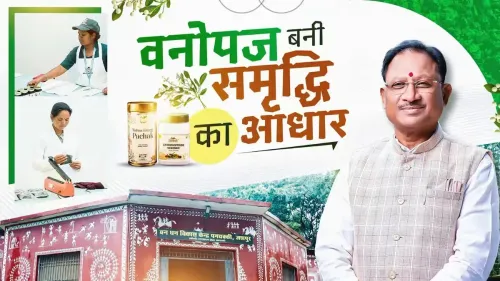
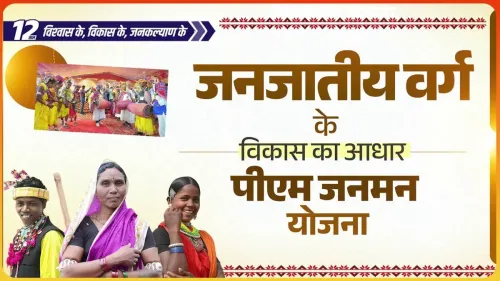
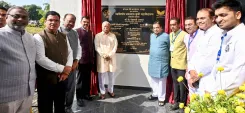
Forests that once offered only subsistence are now becoming launchpads for tribal entrepreneurship — and Chhattisgarh's Chief Minister's Office on Thursday, 12 November 2026, shared a milestone that puts hard numbers to that ambition: 16 Van Dhan Vikas Kendras are now active in the state's Particularly Vulnerable Tribal Group (PVTG) areas under the PM-JANMAN scheme, collectively training 2,395 tribal members in entrepreneurship skills.
The post, shared in Hindi, stated: 'PM-JANMAN योजना के तहत विशेष पिछड़ी जनजातीय क्षेत्रों में 16 वन धन विकास केंद्र सक्रिय हैं' — ('Under the PM-JANMAN scheme, 16 Van Dhan Vikas Kendras are active in Specially Backward Tribal Areas') — and described the initiative as building the foundation of aatmanirbharta (self-reliance) for tribal communities through the state's rich forest wealth.
What PM-JANMAN and Van Dhan Vikas Kendras actually do
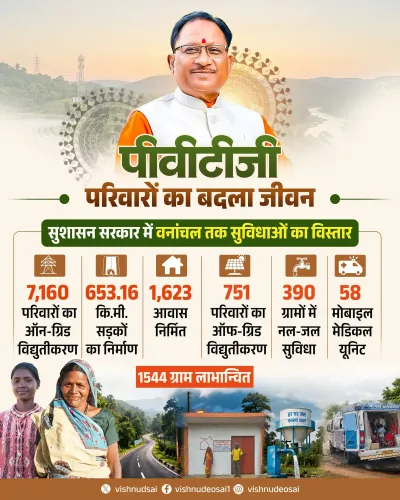
PM-JANMAN — the Pradhan Mantri PVTG Development Mission — was announced in the Union Budget 2023-24 to saturate the habitations of 75 identified Particularly Vulnerable Tribal Groups across India with basic infrastructure, services, and livelihood support. Chhattisgarh, home to one of the country's largest PVTG populations and vast forest tracts, became a priority geography for the mission from the outset.
The Van Dhan Vikas Kendra model predates PM-JANMAN by five years: TRIFED — the Tribal Cooperative Marketing Development Federation of India — launched Van Dhan Yojana in 2018 to build local processing and marketing clusters around minor forest produce (MFP). The convergence of that established network with the newer PM-JANMAN framework is precisely what the Chhattisgarh government is now highlighting — older infrastructure pressed into service for a newer, sharper mandate.
From forest floor to enterprise: the training model
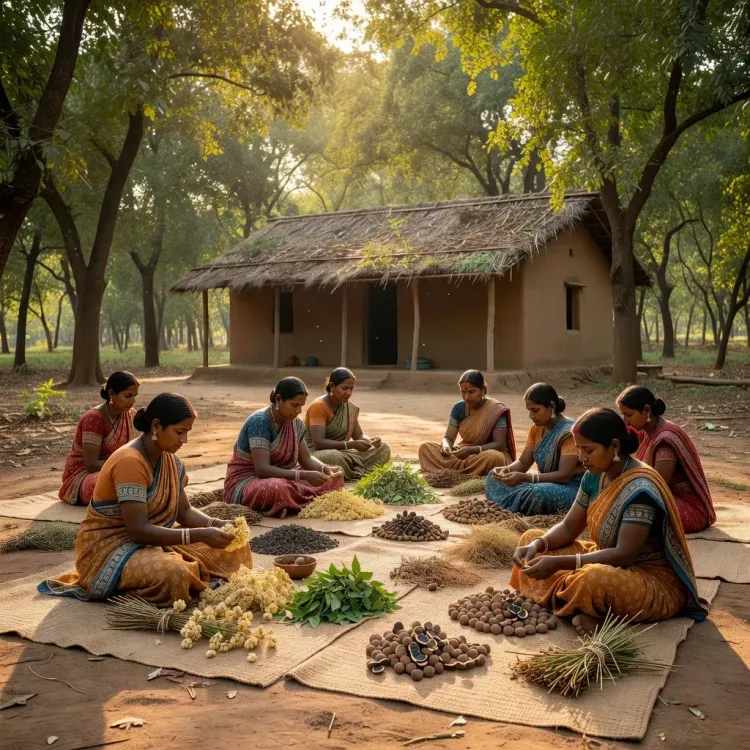
Each Van Dhan Kendra clusters tribal self-help groups to collectively collect, process, and sell MFP — think tamarind, mahua, tendu leaves, lac, and medicinal herbs — adding value before those products reach markets. The entrepreneurship training reported for 2,395 members is designed to move participants beyond daily wage dependency and curb the out-migration that hollows out PVTG villages.
The CMO framed this as 'sushasan sarkar ki pahal' ('a good-governance government's initiative'), tying the operational data explicitly to the state's governance pitch. The hashtags #GoodGovernance, #PMJANMAN, and #TribalEmpowerment underscore that the communication is as much about political positioning as programme delivery — but the underlying policy architecture is real and rooted in a decade of federal tribal livelihood investment.
Chhattisgarh's forest wealth as a development lever
Chhattisgarh's forests cover roughly 44 percent of the state's land area, one of the highest shares among major Indian states. That density of forest cover is both an economic resource and a governance challenge: the same zones that yield MFP also overlap with areas historically affected by Left-Wing Extremism, making livelihood programmes in PVTG belts doubly consequential for stability.
Scaling additional Kendras and publishing auditable income-gain data for trained members will be the next test of whether the numbers translate into durable livelihoods — or remain milestones on a press release.
Point of View
Publicising entrepreneurship numbers serves both a development narrative and an electoral one. The real policy test, however, lies beyond the training count: whether income data, enterprise survival rates, and market linkages are made public will determine if this is transformative investment or milestone management. Analysts watching tribal welfare in central India will look for auditable output metrics before treating these Kendra numbers as proof of structural change.
NationPress
12 Nov 2026
Frequently Asked Questions
What is a Van Dhan Vikas Kendra?
A Van Dhan Vikas Kendra is a cluster-based enterprise centre established under TRIFED's Van Dhan Yojana (launched 2018) to help tribal communities collect, process, and market minor forest produce — such as mahua, tamarind, and medicinal herbs — adding value before sale and building local livelihoods.
What is PM-JANMAN scheme?
PM-JANMAN, or the Pradhan Mantri PVTG Development Mission, was announced in the Union Budget 2023-24 to provide basic infrastructure, services, and livelihood support to habitations of 75 Particularly Vulnerable Tribal Groups (PVTGs) across India.
How many Van Dhan Kendras are active in Chhattisgarh under PM-JANMAN?
According to the Chhattisgarh Chief Minister's Office, 16 Van Dhan Vikas Kendras are currently active in the state's PVTG areas under the PM-JANMAN scheme.
What are Particularly Vulnerable Tribal Groups (PVTGs)?
PVTGs are among the most marginalised indigenous communities in India — 75 groups identified by the central government based on criteria such as pre-agricultural practices, low literacy, declining or stagnant population, and subsistence-level economies. Chhattisgarh hosts one of the largest PVTG populations in the country.
What is TRIFED's role in tribal livelihood programmes?
TRIFED — the Tribal Cooperative Marketing Development Federation of India — is the nodal agency responsible for Van Dhan Yojana and the Van Dhan Vikas Kendra network. It provides technical support, marketing linkages, and capacity-building to tribal producer groups working with minor forest produce.