CM Karnataka Acts on Hostel Neglect in Pandavapura
Synopsis
The Chief Minister's Office of Karnataka acted on a newspaper report about poor sanitation and infrastructure at Social Welfare Department hostels in Pandavapura, Mandya. Officials inspected all hostels, cleared drains, fitted wire mesh, and initiated PWD assessment and KRIDL-led renovation estimates.
Key Takeaways
The Chief Minister's Office of Karnataka took cognisance of a newspaper report about sanitation and infrastructure deficiencies at government welfare hostels in Pandavapura taluk, Mandya district .
Social Welfare Department officials personally visited all hostels in the taluk for on-site inspections.
The Purasabha (municipal body) cleared garbage and drains in front of the post-metric boys' hostel and wire mesh was installed to prevent pigeon infestation.
PWD is assessing cracked walls at the pre-metric boys' hostel for structural repairs.
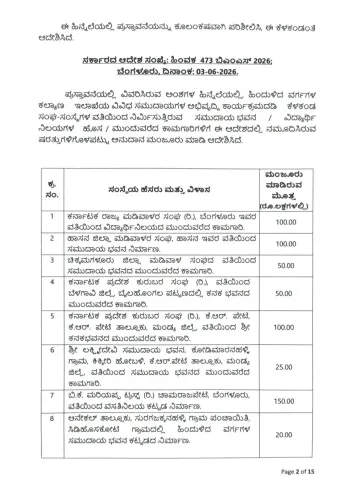
Comprehensive renovation estimates are being prepared through KRIDL and Nirmiti Kendra for all the taluk's hostels.
The hostels primarily serve SC, ST, and OBC students for whom residential facilities are essential to continuing education.
A newspaper report flagging poor sanitation and crumbling infrastructure at government welfare hostels in Pandavapura taluk, Mandya district, landed on the desk of the Chief Minister's Office of Karnataka — and within days, officials were on the ground. The CMO took the report seriously enough to dispatch Social Welfare Department officers for on-site inspections of every hostel in the taluk, signalling that media accountability can still move the machinery of government.
What officers found — and fixed on the spot
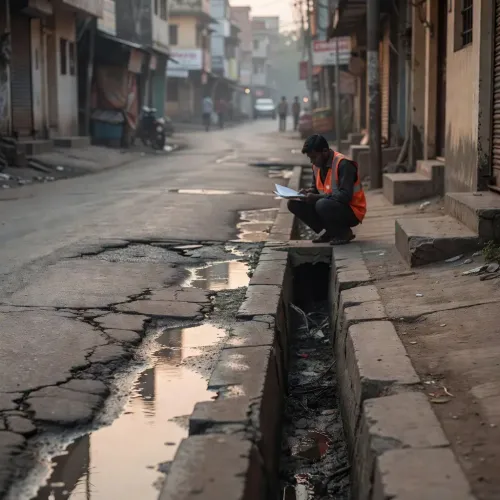
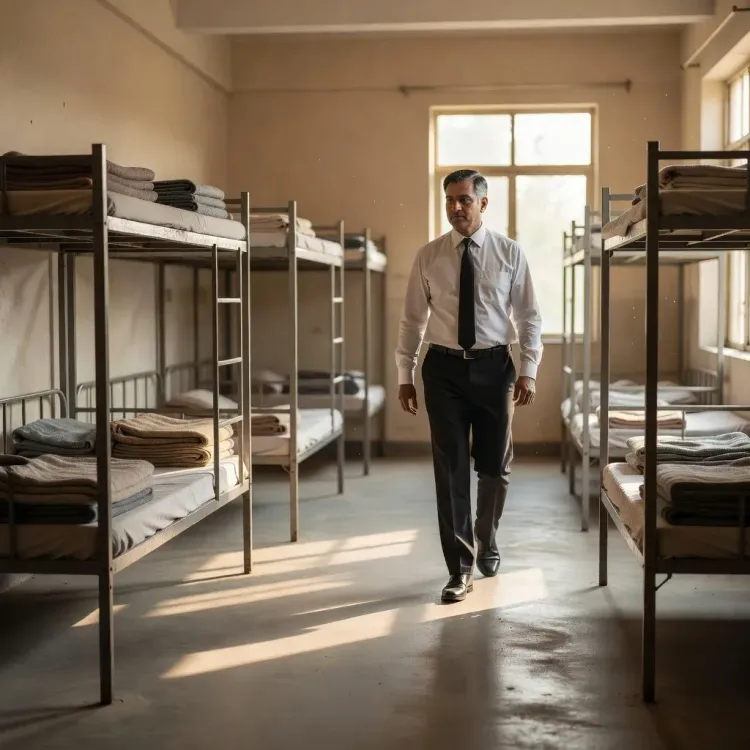
The post-metric boys' hostel was the most visible flashpoint. The municipal body (Purasabha) cleared garbage and unclogged drains in front of the building, restoring basic sanitation. To tackle a persistent pigeon menace — a common source of filth and disease in dormitories — wire mesh was fitted across vulnerable sections of the structure. Fast, concrete, zero-budget fixes: exactly what residents had long been waiting for.
Cracked walls and the renovation pipeline
The pre-metric boys' hostel presented a sturdier problem: cracked walls that need structural assessment before any repair begins. The Public Works Department (PWD) has been roped in to evaluate the damage. More ambitiously, the CMO's post confirms that comprehensive renovation estimates for the hostels are being drawn up through KRIDL (Karnataka Rural Infrastructure Development Limited) and the Nirmiti Kendra, both state agencies experienced in rural and social infrastructure works. That paperwork, once approved, will determine how deep and how fast the upgrade goes.
Why these hostels matter
Karnataka's network of pre-metric and post-metric government hostels is the backbone of the state's social welfare and education support framework, designed primarily to keep SC, ST, and Other Backward Class students in school and college. For many students from Mandya's agricultural hinterland, these dormitories are not a convenience — they are the condition under which education is possible at all. Neglect in this system is not an administrative inconvenience; it is a direct threat to student welfare and equitable access to education.
The CMO's prompt response under the #CMSolves banner underscores a broader pattern: the office has been using social media to demonstrate real-time accountability, turning citizen grievances and media reports into visible administrative action. Whether renovation estimates translate into funded, time-bound projects will be the real test of that accountability.
Point of View
Visible governance that the Karnataka administration has cultivated through its social-media accountability channels like #CMSolves. Routing the fix through multiple agencies (PWD, KRIDL, Nirmiti Kendra, Purasabha) simultaneously suggests institutional coordination, though the risk is that multi-agency processes become diffuse and slow without a single accountable officer. The deeper issue is structural: Karnataka's welfare hostel network, crucial for marginalised students, has historically struggled with chronic underfunding and irregular maintenance. Whether this episode in Pandavapura becomes a one-off media response or triggers a systematic audit of similar hostels statewide will define its real policy significance.
NationPress
12 Nov 2026
Frequently Asked Questions
What was wrong with the government hostels in Pandavapura?
A newspaper report flagged a lack of cleanliness and poor infrastructure — including garbage accumulation, blocked drains, pigeon infestations, and cracked walls — at Social Welfare Department hostels in Pandavapura taluk, Mandya district.
What action did the Karnataka government take after the newspaper report?
The Chief Minister's Office took the report seriously, prompting Social Welfare Department officials to personally inspect all hostels in the taluk. Drains were cleared, wire mesh installed, and PWD and KRIDL were tasked with repairs and renovation estimates.
Who will renovate the Pandavapura welfare hostels?
KRIDL (Karnataka Rural Infrastructure Development Limited) and Nirmiti Kendra are preparing comprehensive renovation estimates. PWD is assessing the structural wall cracks at the pre-metric boys' hostel.
Which students live in Karnataka's Social Welfare Department hostels?
These government-run hostels primarily house Scheduled Caste (SC), Scheduled Tribe (ST), and Other Backward Class (OBC) students who need residential support to access pre-metric and post-metric education.
What is the #CMSolves initiative on social media?
#CMSolves is a hashtag used by the Karnataka Chief Minister's Office to highlight instances where the CMO has intervened to resolve citizen and public grievances, often in response to media reports or social-media complaints.