CM Dhami launches ₹102.72 cr projects at Jauljibi Mela 2026
Synopsis
Uttarakhand CM Pushkar Singh Dhami inaugurated the historic Jauljibi Mela 2026 in Pithoragarh, launching 25 development projects worth ₹102.72 crore, announcing ₹10 lakh for the fair, and invoking the 'Ek Janpad, Do Utpad' and 'House of Himalayas' schemes to push local products into national markets.
Key Takeaways
25 development projects worth ₹102.72 crore were inaugurated and foundation-stoned at Jauljibi Mela 2026 in Pithoragarh on 14 November 2026 .
CM Dhami announced a ₹10 lakh grant for the organisation of the Jauljibi Mela.
The Jauljibi Mela is a historic annual fair at the Kali–Gori river confluence, symbolising India–Nepal cultural and trade ties.
The state's 'Ek Janpad, Do Utpad' scheme and 'House of Himalayas' brand are being used to market Munsiyari rajma, woollens, and carpets nationally and internationally.
Pithoragarh is a strategically sensitive Nepal-border district; the investment aligns with Uttarakhand's broader border-village development focus.
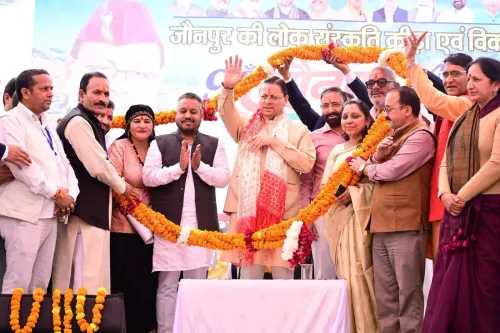
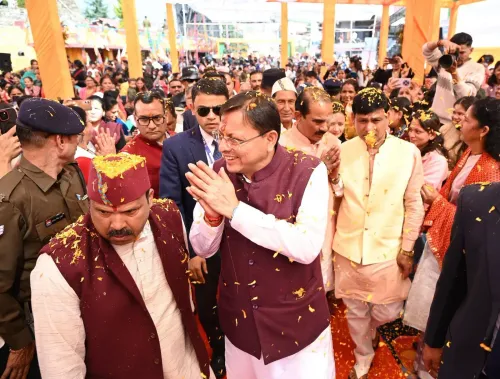
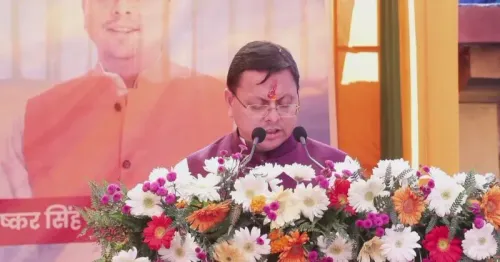
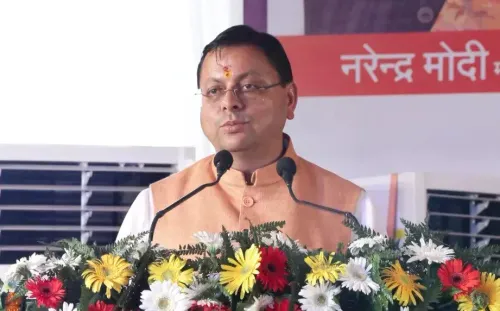
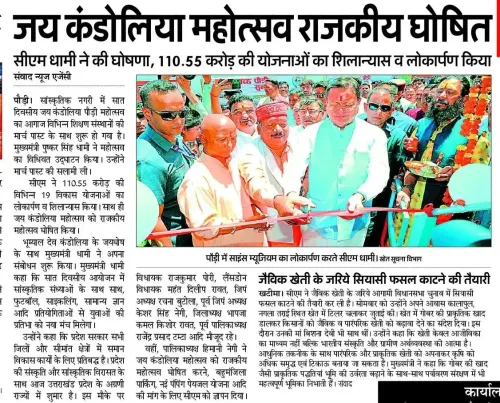
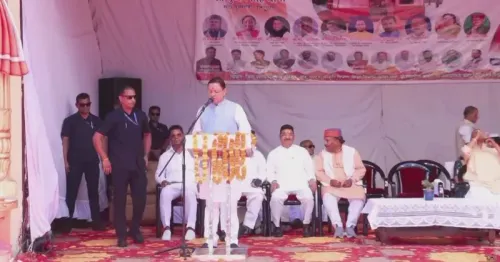
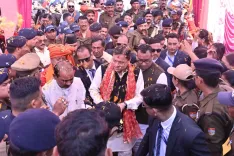
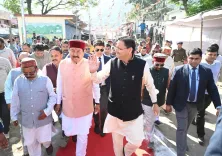
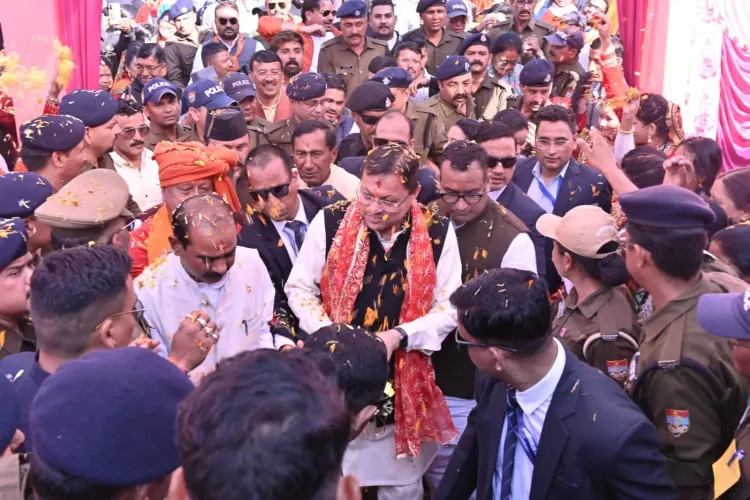
At the foot of the Himalayas, where the Kali and Gori rivers meet and Nepal is just a step across the water, Uttarakhand Chief Minister Pushkar Singh Dhami on Saturday, 14 November 2026, inaugurated the historic Jauljibi Mela and Development Exhibition 2026 in Pithoragarh — and turned an ancient fair into a development milestone by dedicating and laying foundation stones for 25 projects worth ₹102.72 crore.
Dhami also announced a grant of ₹10 lakh for the fair's organisation. Posting on X in Hindi, the Chief Minister said he was 'अभिभूत' — deeply moved — by the warmth of the region's residents, and framed the mela as a living symbol of 'the decades-old bonds of affection between India and Nepal.'Jauljibi Mela: a centuries-old fair meets 21st-century development push
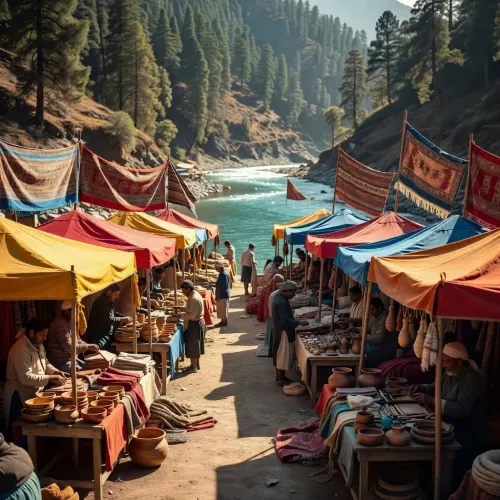
The Jauljibi Mela is no ordinary state fair. Held annually at the confluence of the Kali and Gori rivers on the Pithoragarh–Nepal border, it has for generations served as a crossroads for traders, artisans, and communities from both sides of the frontier. Local colour — handicrafts, folk music, traditional foods — mingles with commerce that connects remote hill districts to larger markets.
Uttarakhand governments have used the fair as a platform for border trade and people-to-people diplomacy with Nepal. Dhami's decision to anchor a major infrastructure announcement to the mela rather than a ministerial press conference underlines how potent the event still is as political and cultural real estate in the border belt.
25 projects, two schemes, and Munsiyari's rajma on the national shelf
The 25 development projects span a combined investment of ₹102.72 crore. While the exact list of projects has not been disclosed, the state has consistently channelled spending in Pithoragarh towards road connectivity, power, and civic infrastructure in its remote Nepal-border pockets.
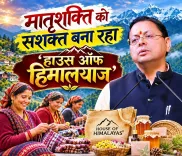
Dhami invoked two flagship state initiatives in the same breath: the 'Ek Janpad, Do Utpad' (One District, Two Products) scheme, which identifies and promotes each district's most distinctive goods, and 'House of Himalayas', the state branding platform for Himalayan handicrafts, woollens, and agri-products. Together, he said, they are driving Munsiyari's rajma, woollen goods, and carpets into national and international markets — tangible produce from a district that has long struggled with out-migration and economic marginalisation.
Border district development as BJP's hill-state template
The optics carry deliberate weight. Pithoragarh sits in a strategic arc of Himalayan districts — remote, culturally rich, economically fragile, and geopolitically sensitive. For the BJP-led Uttarakhand government, visible infrastructure spending in such districts reinforces its 'border village development' narrative, which runs parallel to the central government's Vibrant Villages Programme targeting similar frontier zones.
The linkage of cultural heritage — the mela — with commerce and infrastructure is a recurring formula. By pledging ₹10 lakh for the fair itself while simultaneously unveiling ₹102.72 crore in projects, Dhami blended symbolic and material gestures into a single headline event. The question the region will now watch is straightforward: how quickly do those 25 projects move from foundation stones to functioning assets?
Point of View
Do Utpad' and 'House of Himalayas' signals that the state is trying to move the economic conversation in hill districts from subsistence to market linkage — a harder, slower task than cutting ribbons. With the Vibrant Villages Programme providing Central tailwinds for frontier-zone development, Dhami is positioning Uttarakhand as the model implementer — but delivery on 25 projects across Pithoragarh's rugged terrain will be the real test of that claim.
NationPress
14 Nov 2026
Frequently Asked Questions
What is the Jauljibi Mela and where is it held?
The Jauljibi Mela is a historic annual fair held at the confluence of the Kali and Gori rivers in Pithoragarh district, Uttarakhand, on the India–Nepal border. It is a major platform for border trade, local crafts, folk culture, and people-to-people ties between India and Nepal.
How much did CM Dhami invest at the Jauljibi Mela 2026?
CM Pushkar Singh Dhami inaugurated and laid foundation stones for 25 development projects worth ₹102.72 crore at the Jauljibi Mela 2026. He also announced a ₹10 lakh grant for organising the fair.
What is the 'Ek Janpad, Do Utpad' scheme in Uttarakhand?
'Ek Janpad, Do Utpad' (One District, Two Products) is a Uttarakhand government scheme that identifies two signature products from each district and promotes them in wider national and international markets to boost local livelihoods.
What is 'House of Himalayas'?
'House of Himalayas' is a state branding and marketing initiative by the Uttarakhand government that promotes Himalayan handicrafts, woollen goods, and agricultural products — such as Munsiyari rajma and carpets — to national and global buyers.
Why is Pithoragarh significant for Uttarakhand development?
Pithoragarh is a remote Himalayan district bordering Nepal and is part of India's strategically important frontier belt. It is a focus area for border-village development programmes, infrastructure upgrades, and cultural diplomacy with Nepal.