CM Dhami Opens 74th Gauchar Mela in Chamoli
Synopsis
Chief Minister Pushkar Singh Dhami inaugurated the 74th Gauchar Mela in Chamoli on 14 November 2026, tracing the fair's 1943 Bhutia trade roots and linking it to state efforts on local branding, border infrastructure, and youth employment.
Key Takeaways
CM Pushkar Singh Dhami inaugurated the 74th State Industrial Development and Cultural Gauchar Mela in Gauchar, Chamoli on 14 November 2026 .
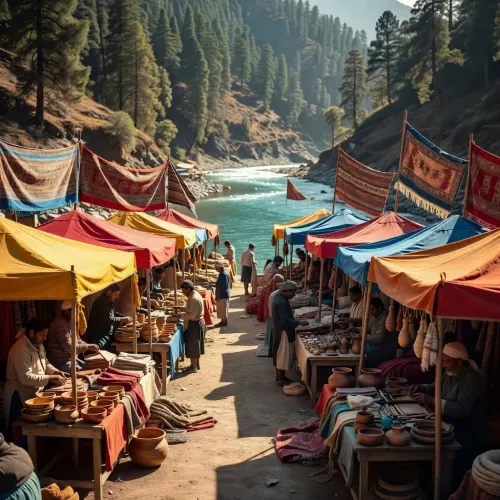
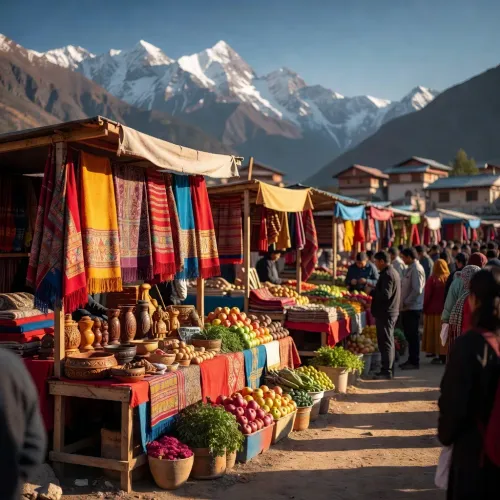
The seven-day fair originated in 1943 as a Bhutia trade fair on the India-Tibet trade corridor , dealing in wool, pashmina, and medicinal herbs.
The state's 'House of Himalayas' brand — designed to market local products nationally and globally — has crossed six crore rupees in cumulative business.
Dhami linked the mela to PM Modi's 'Vocal for Local' campaign and to state policies including tourism, home stay, film, and solar self-employment schemes.
The Char Dham road project and the Rishikesh-Karnprayag rail link were cited as key infrastructure investments to reduce out-migration from Chamoli.
Dhami reaffirmed the national policy of treating border villages as 'first villages,' prioritising basic amenities and livelihood in frontier areas.
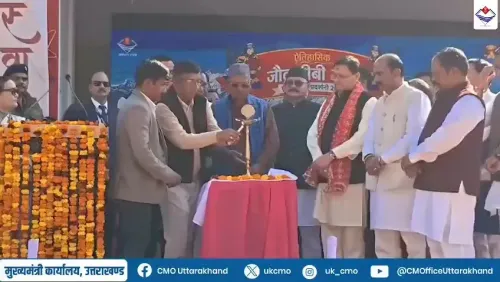
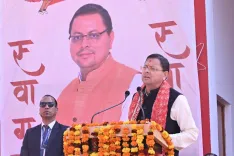
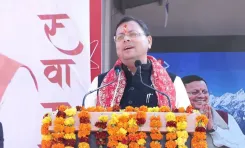
An 83-year-old trade fair roared back to life on Saturday, 14 November 2026, as Chief Minister Pushkar Singh Dhami lit the ceremonial lamp and offered floral tributes to inaugurate the 74th State Industrial Development and Cultural Gauchar Mela in Gauchar, Chamoli district — a seven-day event that began in a Himalayan meadow as a Bhutia wool-and-herb bazaar and has grown into one of Uttarakhand's most distinctive public fairs.
From Tibet-border barter to a state showcase
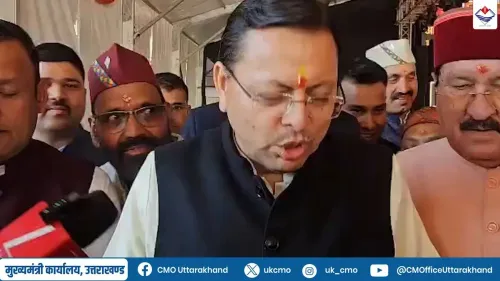
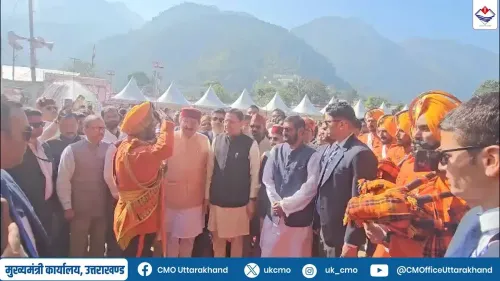
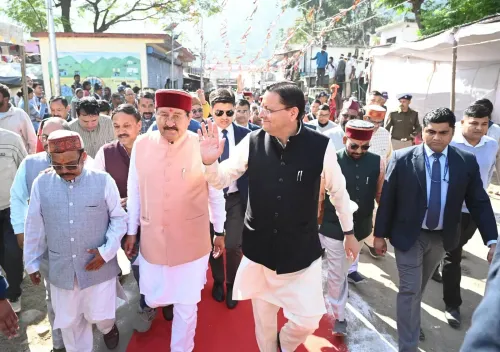
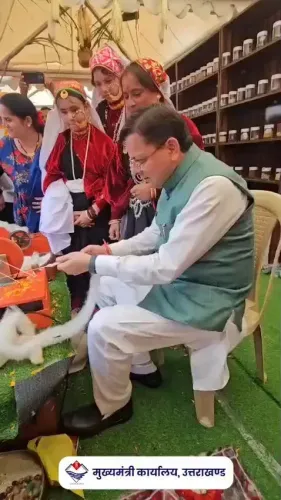
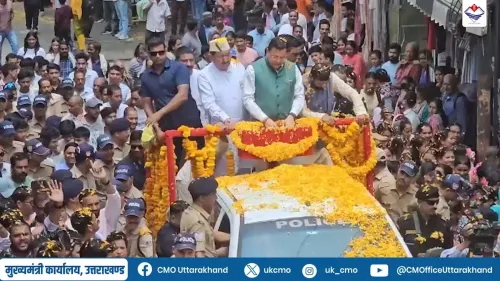
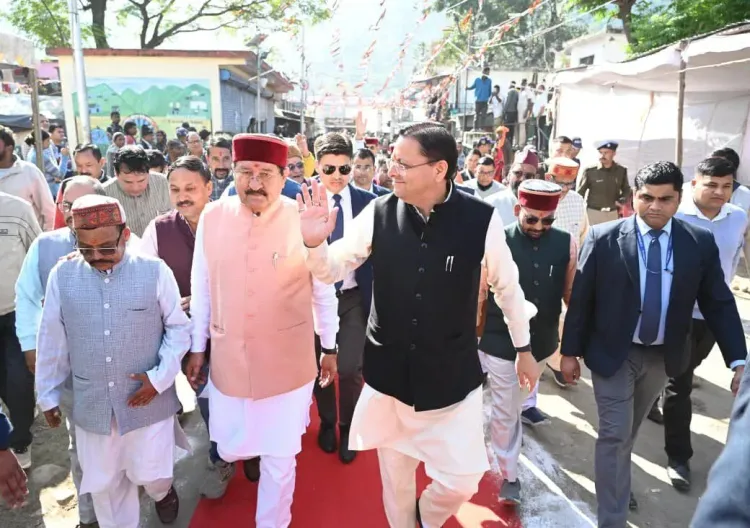
The Chief Minister's Office of Uttarakhand shared the inauguration on X, quoting CM Dhami at length. Arriving in Gauchar, he was received with band music, garlands, and traditional ceremony. He first garlanded the statue of the fair's founder, the late Govind Prasad Nautiyal, before formally opening proceedings. Schoolgirls from local institutions performed folk-cultural presentations, and District Magistrate Gaurav Kumar presented the mela's official mascot to the Chief Minister.
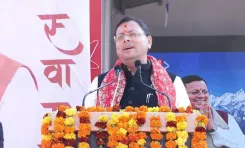
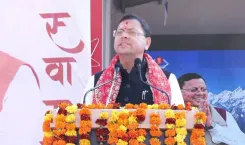
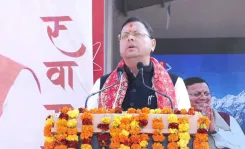
In his address, Dhami traced the fair's lineage: 'Vर्ष 1943 में भोटिया व्यापार मेले के रूप में इसकी शुरुआत हुई थी' ('In 1943, it began as the Bhutia trade fair'). At that time, Gauchar was a key node on the India-Tibet trade corridor, where wool, pashmina, medicinal herbs, and other local goods changed hands. Post-1962, that cross-border commerce ended, but the fair survived and evolved — absorbing industrial and cultural dimensions until it became the statewide event it is today.
Chamoli's geography as both challenge and opportunity
Chamoli district carries an outsized symbolic weight in Dhami's remarks. He described it as the abode of Lord Badri Vishal, the maternal home of goddess Nanda, and the birthplace of the globally known Chipko movement of the 1970s, when villagers — many of them women — embraced trees to stop commercial felling. The district has also sent soldiers to guard India's northern frontier, and Dhami paid tribute to those who made the 'supreme sacrifice.'
That frontier geography is also the driver of a persistent problem: youth out-migration. The Chief Minister said the state government's explicit goal is to ensure young people find employment and self-employment 'apne hi gaon aur kshetra mein' ('in their own village and region itself') — in agriculture, horticulture, animal husbandry, tourism, and handicrafts — so they are not forced to leave.
'House of Himalayas' and the six-crore milestone
Dhami pointed to the state-launched 'House of Himalayas' brand as the vehicle for taking Chamoli's woollen handicrafts, lentils, rajma, mandua, jhangora, honey, and medicinal herbs into national and global markets. He said the brand's cumulative business has crossed six crore rupees — a figure he framed not merely as a commercial number but as proof of the 'hard work, confidence, and economic self-reliance' of the state's women producers. The brand directly embodies Prime Minister Narendra Modi's 'Vocal for Local' campaign, which Dhami cited as the philosophical anchor of the fair itself.
Char Dham roads and the Rishikesh-Karnprayag rail race
Infrastructure is the other half of the state's anti-migration strategy. Dhami highlighted two flagship projects: the Char Dham road project, which is improving all-weather connectivity to Badrinath Dham, and the Rishikesh-Karnprayag rail link, on which work is described as progressing rapidly. Once complete, the railway is expected to transform connectivity, tourism flows, and the local economy across the entire Chamoli belt. Dhami also reaffirmed the national policy of treating border villages as the country's 'first villages' rather than its last — a reframing that underpins infrastructure spending in districts that touch the India-China frontier.
Seven days of trade stalls, cultural performances, and product exhibitions now lie ahead for Gauchar. For the artisans, self-help groups, and small entrepreneurs who set up their stalls here every year, the mela is not nostalgia — it is a marketplace with an 83-year head start on everyone else.
Point of View
And the House of Himalayas brand gives that narrative a measurable commercial hook. Whether infrastructure projects like the Rishikesh-Karnprayag rail link actually deliver on their anti-migration promise will be the real test of whether the government's rhetoric translates into retained population in Chamoli.
NationPress
15 Nov 2026
Frequently Asked Questions
What is the Gauchar Mela and when did it start?
The Gauchar Mela is an annual industrial and cultural fair held in Gauchar, Chamoli district, Uttarakhand. It began in 1943 as a Bhutia trade fair linked to India-Tibet border commerce, dealing in wool, pashmina, and medicinal herbs, and has since expanded into a statewide event.
Who inaugurated the 74th Gauchar Mela?
Chief Minister Pushkar Singh Dhami inaugurated the 74th State Industrial Development and Cultural Gauchar Mela on 14 November 2026 in Gauchar, Chamoli, with a ceremonial lamp-lighting and floral tribute to the fair's founder Govind Prasad Nautiyal.
What is the House of Himalayas brand?
House of Himalayas is a brand launched by the Uttarakhand state government to market local products — including woollen handicrafts, rajma, mandua, jhangora, honey, and medicinal herbs — in national and international markets. CM Dhami stated the brand has crossed six crore rupees in cumulative business.
What is the Rishikesh-Karnprayag rail project?
The Rishikesh-Karnprayag railway is an ongoing broad-gauge rail project in Uttarakhand aimed at improving connectivity between the plains and the hill districts of Chamoli. It is expected to boost tourism and local economic activity once completed.
How does the Gauchar Mela connect to Vocal for Local?
CM Dhami described the Gauchar Mela as a key platform for local traders, artisans, and self-help groups to display and sell their products, calling it a 'powerful medium' to implement PM Modi's Vocal for Local campaign on the ground.