CM Dhami: Border Villages Are India's First, Not Last
Synopsis
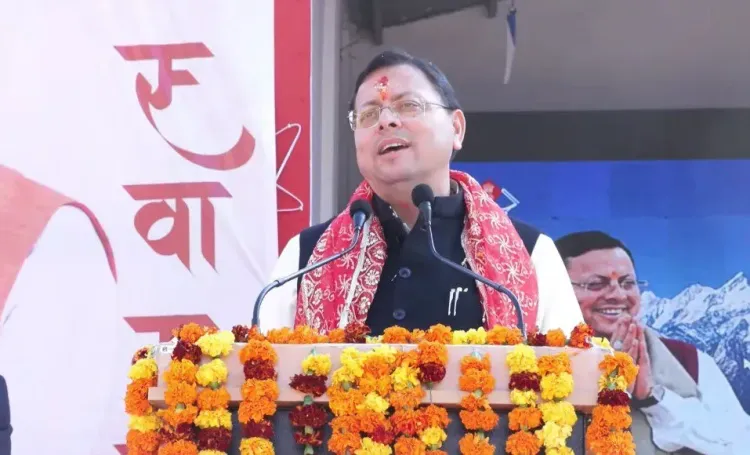
Uttarakhand CM Pushkar Singh Dhami credited PM Narendra Modi with a historic mindset shift — rebranding India's border villages from 'last' to 'first' — anchored by the 2023 Vibrant Villages Programme targeting frontier infrastructure and livelihoods.
Key Takeaways
CM Pushkar Singh Dhami stated that PM Narendra Modi has redefined border villages as India's 'first villages', not its last.
The statement was issued by the Chief Minister's Office of Uttarakhand on 14 November 2026 .
The Vibrant Villages Programme , approved in 2023 , provides infrastructure and livelihood support to border villages in Uttarakhand and other northern states.
Dhami described the shift as 'a historic transformation in thinking and approach', not merely a change of words.
Uttarakhand's northern border districts have seen sustained road, power, and tourism investment alongside this rhetorical reframing.
Progress on Vibrant Villages projects and fresh central budget announcements for frontier areas remain key indicators to watch.
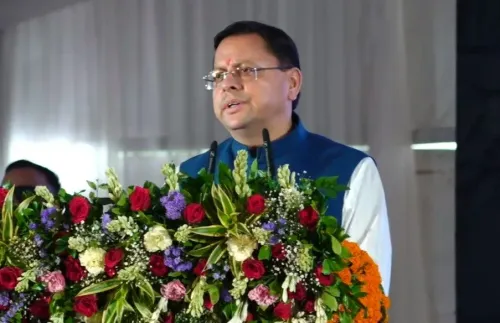
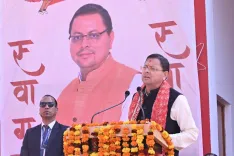
A phrase has quietly redrawn how India thinks about its frontier. Uttarakhand Chief Minister Pushkar Singh Dhami, speaking on Saturday, 14 November 2026, declared that Prime Minister Narendra Modi has engineered a historic shift in national imagination — turning villages once dismissed as the country's last outposts into its proudest front rows.
Quoting CM Dhami directly: 'पहले सीमांत गाँवों को देश का अंतिम गाँव कहा जाता था' — 'Border villages were once called the last villages of the country. But the honourable Prime Minister has worked to change this thinking. He has given our border villages recognition as the first villages of the nation. This is not merely a change of words, but a historic transformation in the thinking and approach towards frontier areas.'
From 'Last' to 'First': What the Rhetorical Shift Actually Means
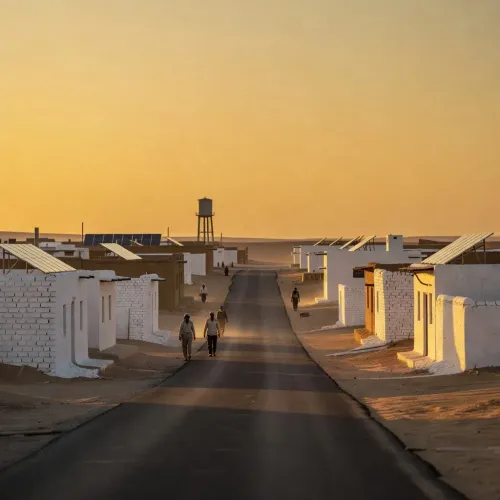
The language matters — but so does what sits behind it. For decades, India's high-altitude border settlements in Uttarakhand, Ladakh, and Arunachal Pradesh were defined by what they lacked: road connectivity, reliable power, economic opportunity. The designation 'last village' was geographic fact and policy neglect rolled into one. Calling them 'first villages' inverts that logic entirely — placing them at the leading edge of national security and development rather than its forgotten periphery.
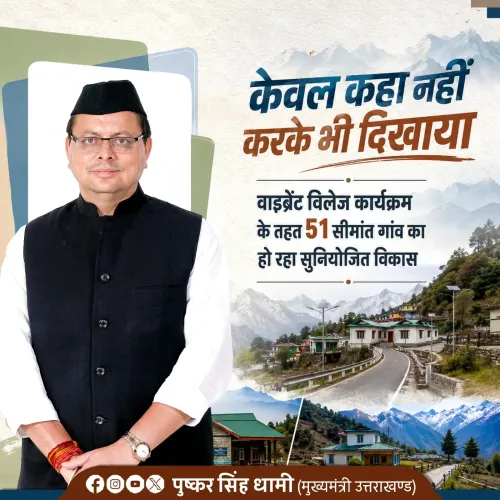
CM Dhami's framing is not purely symbolic. It maps directly onto the Vibrant Villages Programme, approved by the central government in 2023, which channels infrastructure and livelihood investment into border villages of Uttarakhand and other northern states. The programme represents the institutional expression of exactly the mindset shift Dhami is describing — a policy architecture built on the premise that populated, thriving border villages are a strategic asset, not an administrative afterthought.
Uttarakhand's Frontier Villages at the Centre of the Frame
Uttarakhand's northern districts share sensitive borders and host communities that have long faced the dual pressure of geographic isolation and the pull of migration to lower plains. Successive governments expanded roads, power lines, and tourism corridors across these districts, but the Vibrant Villages Programme marked the first time a dedicated, named scheme put border habitation itself — not just transit infrastructure — at the centre of planning.
Dhami's statement, issued through the Chief Minister's Office of Uttarakhand, signals that the state government intends to keep this narrative prominent. With budget cycles and potential high-level visits on the horizon, the political emphasis on frontier dignity is likely to translate into fresh announcements on connectivity, healthcare, and economic integration for these communities.
The villages at India's northern edge are no longer an ellipsis at the end of a policy document. They are, at least in official language — and increasingly in concrete investment — the opening sentence.
Point of View
CM Dhami reinforces the BJP's governance narrative ahead of potential electoral cycles, positioning border welfare as a flagship achievement rather than a legacy gap. The Vibrant Villages Programme gives the rhetoric institutional weight, but the real test is delivery: whether connectivity, healthcare, and economic opportunity in Uttarakhand's frontier districts measurably improve. The broader pattern — similar rhetoric and schemes in Ladakh and Arunachal Pradesh — suggests a coordinated national push to counter cross-border demographic pressure by making border habitation genuinely viable.
NationPress
15 Nov 2026
Frequently Asked Questions
What did Uttarakhand CM Pushkar Dhami say about border villages?
CM Pushkar Singh Dhami stated that PM Narendra Modi has transformed national thinking by recognising India's border villages as the country's 'first villages' rather than its last, calling it a historic shift in approach rather than a mere change of words.
What is the Vibrant Villages Programme?
The Vibrant Villages Programme is a central government scheme approved in 2023 that provides infrastructure and livelihood support to border villages in Uttarakhand and other northern frontier states, aiming to improve connectivity and living standards.
Why were India's border villages called 'last villages'?
India's high-altitude border settlements were historically called 'last villages' because of their geographic remoteness and lack of infrastructure — roads, power, and economic opportunity — making them the most underserved communities in the country.
Which states benefit from India's border village development schemes?
Uttarakhand, Ladakh, and Arunachal Pradesh are the primary states where India's frontier village development initiatives, including the Vibrant Villages Programme, are concentrated due to their sensitive northern borders.
What is the significance of calling border villages 'first villages of India'?
The rebranding signals a policy and mindset shift — treating populated border settlements as strategic assets central to national security and development, rather than peripheral outposts, which directly influences infrastructure investment priorities.