Rajasthan CMO orders plot allotments in Petrochemical Zone within 3 months
Synopsis
The Chief Minister's Office of Rajasthan has directed that industrial plot allocations in the Rajasthan Petrochemical Zone be completed within three months, signalling urgency to unblock investor-critical land allotments under CM Bhajanlal Sharma's government.
Key Takeaways
The Chief Minister's Office of Rajasthan issued a public directive on 15 November 2026 mandating plot allotments in the Rajasthan Petrochemical Zone within three months .
The order is addressed to Chief Minister Bhajanlal Sharma , making accountability at the top of the political hierarchy explicit.
Industrial land allotment is the critical gateway that unlocks capital commitment and construction for investors in petrochemical zones.
Rajasthan's petrochemical cluster policy has roots in the 2019–2022 period, with the current BJP government pursuing continuity and acceleration.
The three-month deadline — expiring around mid-February 2027 — will be the key milestone to watch for real execution progress.
The directive doubles as a public signal to industrial investors and petrochemical companies that the state is clearing obstacles to entry.
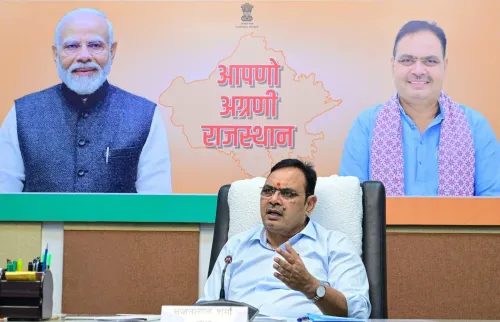
A deadline has been set, and the clock is ticking. The Chief Minister's Office of Rajasthan issued a pointed directive on Sunday, 15 November 2026, ordering that the allocation of industrial plots in the Rajasthan Petrochemical Zone be completed — mandatorily — within the next three months. The instruction, addressed directly to Chief Minister Bhajanlal Sharma, signals that the state means business on one of its flagship industrial clusters.
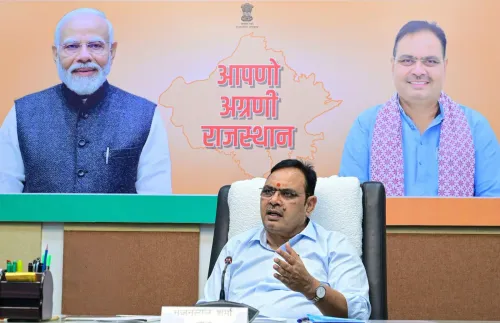
The official post read: 'Rajasthan Petrochemical Zone mein, audyogik bhookhandon ke aavantann ki prakriya aagami teen maah mein, anivarya roop se poori ki jaae' — 'In the Rajasthan Petrochemical Zone, the process of allocation of industrial plots must necessarily be completed within the next three months.' The hashtag #AapnoAgrani_Rajasthan ('Our Pioneering Rajasthan') frames the push squarely within the state's broader economic ambition.What the Rajasthan Petrochemical Zone is — and why it matters
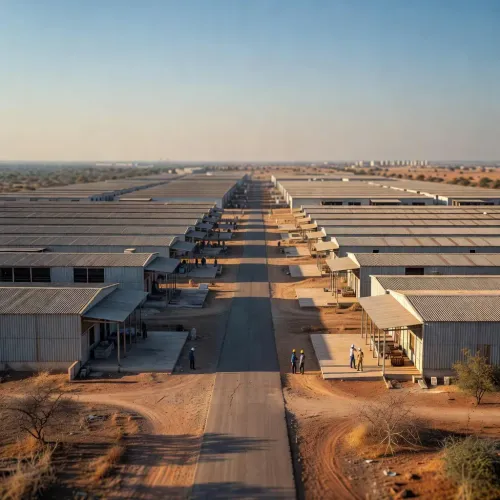
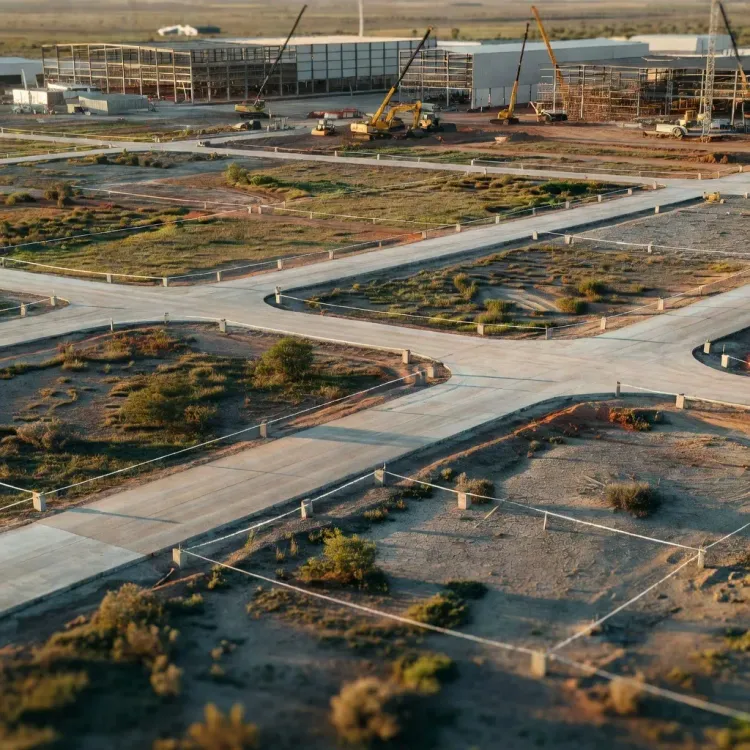
The Rajasthan Petrochemical Zone is a designated industrial corridor intended to build a concentrated cluster of petrochemical manufacturing and ancillary industries within the state. Rajasthan, historically reliant on tourism and agriculture, has for several years pursued industrial zone development as a deliberate strategy to diversify its economic base and generate high-value employment. Petrochemical clusters are particularly attractive to state governments because they anchor long supply chains — drawing in plastics, packaging, fertilisers, and specialty chemical firms around a core hub.
Policy interest in such zones was building through the 2019–2022 period, and the current directive reflects continuity of that investment push under the BJP government led by Bhajanlal Sharma. The land-allotment process is typically the critical gateway: until industrial plots are formally assigned, capital cannot be committed and construction cannot begin. A bottleneck at allotment stage stalls everything downstream.
Why a three-month deadline is a political and policy signal
Governments issue timeline mandates when they sense — or receive investor feedback — that bureaucratic procedures are moving too slowly. By setting a three-month hard deadline in a public, official post, the CMO is doing two things simultaneously: applying internal pressure on the agencies responsible for the allotment process, and sending a visible assurance to industrial investors and petrochemical companies that the government will clear the path. It is a governance tool as much as an administrative one.
Investors evaluating large capital outlays watch exactly these signals. A publicly stated, time-bound directive from the highest political office in a state reduces uncertainty around land availability — one of the most common reasons industrial projects stall in India's regulatory landscape.
What to watch in the next 90 days
The three-month window ends roughly in mid-February 2027. Progress reports on the number of plots allotted, the total investment value committed by incoming firms, and any formal project-launch ceremonies in the zone will be the clearest indicators of whether this directive translates into ground-level movement. Any follow-up announcements from the state's industries department or investment promotion bodies will carry significant weight for assessing execution quality.
Rajasthan has the opportunity to demonstrate that a deadline from the top is not just political theatre — but the starting gun on tangible industrial growth.
Point of View
Time-bound directive on petrochemical plot allotments is a textbook example of using political visibility to accelerate bureaucratic processes — a governance tactic that has become increasingly common among state governments competing for industrial investment. For Bhajanlal Sharma's BJP government, delivering on this deadline matters beyond the zone itself: it feeds into Rajasthan's larger pitch to position itself as an investor-friendly state ahead of potential investment summits. The 'Aapno Agrani Rajasthan' branding signals that this is part of a curated economic identity campaign, not a standalone order. Watch whether this directive produces a measurable cluster of allotments or quietly fades — the answer will define the credibility of the state's industrial timelines for years.
NationPress
15 Nov 2026
Frequently Asked Questions
What is the Rajasthan Petrochemical Zone?
The Rajasthan Petrochemical Zone is a designated industrial area in Rajasthan set up to attract petrochemical manufacturing and related industries, designed to diversify the state's economy beyond tourism and agriculture.
What has the Rajasthan CMO directed regarding the Petrochemical Zone?
The Chief Minister's Office of Rajasthan has directed that the allocation of industrial plots in the Rajasthan Petrochemical Zone must be completed mandatorily within three months.
Who is Bhajanlal Sharma?
Bhajanlal Sharma is the Chief Minister of Rajasthan from the BJP, responsible for overseeing the state's industrial and economic development initiatives.
Why does industrial plot allotment matter for the Petrochemical Zone?
Land allotment is the critical first step for investors — without formally assigned plots, companies cannot commit capital or begin construction, making allotment delays a major bottleneck for zone development.
What is the hashtag Aapno Agrani Rajasthan about?
'Aapno Agrani Rajasthan' translates to 'Our Pioneering Rajasthan' and is a branding campaign by the Rajasthan government to project the state as a leader in economic and industrial progress.