Rajasthan CM Bhajanlal: 472 Industrial Zones, 46,000 Units Now Active
Synopsis
The Chief Minister's Office of Rajasthan announced that 472 industrial areas have been established across the state, with nearly 46,000 units operational — a key metric CM Bhajanlal Sharma is using to project Rajasthan as a leading investment destination.
Key Takeaways
472 industrial areas have been established across Rajasthan, per the CMO's announcement on October 17, 2026.
Approximately 46,000 industrial units are currently operational within these zones.
Chief Minister Bhajanlal Sharma (BJP) has been in office since December 2023 and has consistently positioned the state as investment-friendly.
The post was shared under the hashtag #आपणो_अग्रणी_राजस्थान ('Our Leading Rajasthan'), signalling a brand-building push around industrial progress.
MSMEs are understood to form the bulk of the active units across these dedicated industrial clusters.
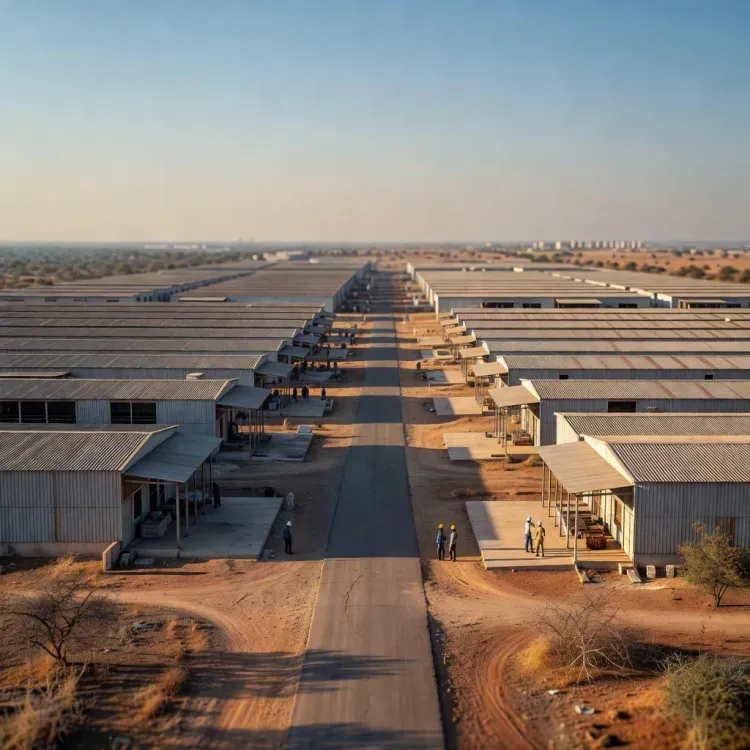
Rajasthan's industrial footprint is now bigger than most Indians might imagine. The Chief Minister's Office of Rajasthan announced on Saturday, October 17, 2026, that the state has established 472 industrial areas housing approximately 46,000 operational industrial units — a figure Chief Minister Bhajanlal Sharma is putting front and centre as a marker of the state's economic momentum.
472 zones and what they represent
The post, shared under the hashtag #आपणो_अग्रणी_राजस्थान ('Our Leading Rajasthan'), frames these industrial zones as the backbone of the state's manufacturing ambitions. Dedicated industrial areas are purpose-built clusters that lower infrastructure costs for businesses, offer shared utilities, and signal policy continuity to potential investors — making the raw number of 472 zones more than a bureaucratic count.
Rajasthan has historically pursued industrial zone development to support MSMEs and larger manufacturing units alike, aligning the state's growth strategy with India's broader push to expand domestic manufacturing capacity. The sheer spread of 46,000 units across these zones suggests that small and medium enterprises are the primary engine, not just large anchor investors.
Bhajanlal's industrial pitch in context
Bhajanlal Sharma, who assumed office as Chief Minister in December 2023 under the BJP government, has consistently positioned Rajasthan as an investment-friendly destination. Highlighting the existing industrial ecosystem reinforces that pitch — signalling to prospective investors that infrastructure is already in place, not merely promised.
The timing matters too. Industrial zone data of this scale is typically cited ahead of investor summits, budget presentations, or economic survey releases — moments when a government wants to anchor its credibility in concrete numbers rather than aspiration alone.
The road these 46,000 units still need to travel
Numbers this large invite the natural follow-up questions: How many of these units are actively productive versus dormant? What is the employment footprint? What share of Rajasthan's GSDP do these zones contribute? The announcement establishes the infrastructure story; the investment and employment story is the next chapter the government will need to tell — in budget documents, economic surveys, and investor-facing data.
For now, the Chief Minister's Office has planted a striking number into the public conversation. Whether it translates into measurable economic momentum for Rajasthan's workforce is the question that will define the legacy of Aapno Agranii Rajasthan.
Point of View
Concrete number into public discourse to strengthen Rajasthan's investor credibility under Bhajanlal Sharma's administration. This fits a recognisable BJP state-government playbook: quantify infrastructure supply to pre-empt criticism that policy ambition has not translated into ground-level action. The deeper question is whether employment and investment-inflow data backs up the zone count, which is ultimately the metric that will determine whether 'Aapno Agranii Rajasthan' becomes a durable brand or a contested claim heading into the next electoral cycle.
NationPress
17 Oct 2026
Frequently Asked Questions
How many industrial areas are there in Rajasthan in 2026?
According to the Chief Minister's Office of Rajasthan, 472 industrial areas have been established in the state as of October 2026.
How many industrial units are operational in Rajasthan?
The CMO states that approximately 46,000 industrial units are currently operational across Rajasthan's industrial zones.
Who is the Chief Minister of Rajasthan in 2026?
Bhajanlal Sharma of the BJP is the Chief Minister of Rajasthan, having assumed office in December 2023.
What is the meaning of 'Aapno Agranii Rajasthan'?
Aapno Agranii Rajasthan translates to 'Our Leading Rajasthan' — a branding hashtag used by the Rajasthan government to highlight development milestones in the state.
What is Rajasthan's industrial development strategy?
Rajasthan has focused on creating dedicated industrial zones to support MSMEs and larger manufacturers, reduce infrastructure costs for businesses, and attract investment — aligning with India's broader national manufacturing goals.