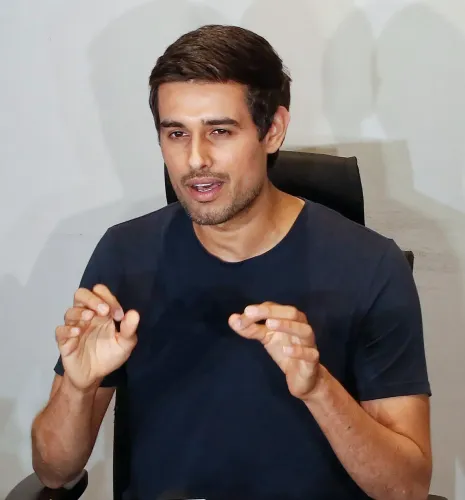
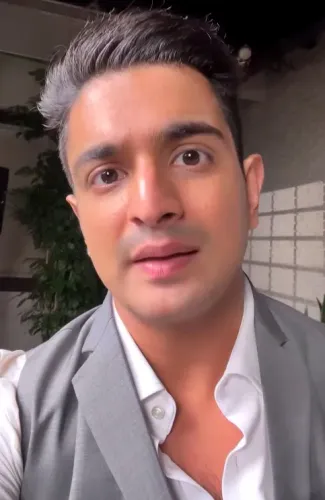
Delhi court issues bailable warrant against YouTuber Dhruv Rathee in defamation case
Synopsis
A Delhi court has issued a bailable warrant against YouTuber Dhruv Rathee in a defamation case that has dragged on since 2019 — largely because Rathee, based in Austria, has been unreachable for summons. The case, tied to a 2018 video retweeted by Arvind Kejriwal, tests how Indian courts pursue cross-border digital content creators and whether a retweet constitutes defamatory publication.
Key Takeaways
Saket Courts issued a bailable warrant against YouTuber Dhruv Rathee on 17 October 2026 .
The case, filed by Vikas Pandey , relates to a 2018 video titled 'BJP IT Cell Part 2' that allegedly defamed him.
Summons could not be served as Rathee's residence was found locked ; he ordinarily resides in Austria .
Arvind Kejriwal admitted before the Supreme Court in February 2024 that retweeting the video was a mistake; trial court proceedings against him were stayed.
The Delhi High Court held that retweeting allegedly defamatory content can attract prosecution under Section 499 IPC .
Next hearing is scheduled for 31 October .
A Delhi court has issued a bailable warrant against popular YouTuber Dhruv Rathee in a 2018 criminal defamation case filed by Vikas Pandey, after being informed that a fresh summons could not be served because the premises of Rathee's residence were found locked. The Saket Courts passed the order on Saturday, 18 October 2025, listing the matter for further hearing on 31 October.
Background of the Case
The case stems from a video titled 'BJP IT Cell Part 2', which Pandey — founder of the social media page 'I Support Narendra Modi' — alleged had defamed him. The video was retweeted in 2018 by Aam Aadmi Party (AAP) National Convenor Arvind Kejriwal, who later acknowledged before the Supreme Court that he had made a mistake by doing so.
Why Summons Could Not Be Served
The proceedings against Rathee have remained pending since 2019 amid persistent difficulties in serving summons. Pandey has claimed that Rathee's continued absence from India has prolonged the case. Rathee ordinarily resides in Austria. Earlier this month, the court had permitted fresh summons to be served through dasti service, allowing the complainant to accompany the process server — yet service remained incomplete as Rathee's residence was found locked, prompting the bailable warrant.
Kejriwal's Involvement and Supreme Court Proceedings
The matter had also reached the Supreme Court in connection with Kejriwal's separate challenge to criminal defamation proceedings arising from his retweet. In February 2024, Kejriwal told the apex court that he had erred by sharing the video. A bench comprising Justices Sanjiv Khanna — who subsequently became Chief Justice of India (CJI) and has since retired — and Dipankar Datta stayed the trial court proceedings against Kejriwal while hearing his plea challenging the Delhi High Court's refusal to quash summons issued against him.
High Court's Earlier Ruling
The Delhi High Court had previously upheld the summoning order, observing that retweeting allegedly defamatory content could attract prosecution under Section 499 of the Indian Penal Code (IPC). This ruling established a notable precedent on social media liability for shared content, as it treated a retweet on par with original publication for the purpose of defamation proceedings.
What Happens Next
The case is next listed before the Saket Courts on 31 October. Given the bailable warrant now in play, Rathee or his legal representatives will need to respond to the court's process. The proceedings continue to test the limits of Indian defamation law in the context of cross-border digital content creators and social media sharing.
Point of View
If widely applied, could chill political sharing on social media. Kejriwal's public admission of error before the Supreme Court, meanwhile, shows how reputational liability can force political calculation even years after a casual click.
NationPress
17 Oct 2026
Frequently Asked Questions
Why has a bailable warrant been issued against Dhruv Rathee?
The Saket Courts issued the warrant on 17 October 2026 after repeated attempts to serve summons on Rathee failed — most recently because his Delhi residence was found locked. Rathee ordinarily lives in Austria, which has complicated service of process since 2019.
What is the 2018 defamation case against Dhruv Rathee about?
The case was filed by Vikas Pandey, founder of the Facebook page 'I Support Narendra Modi', alleging that a video by Rathee titled 'BJP IT Cell Part 2' defamed him. Arvind Kejriwal's 2018 retweet of the video drew him into the case as well.
What did Arvind Kejriwal say about retweeting the video?
In February 2024, Kejriwal told the Supreme Court that he had made a mistake by retweeting the video. The Supreme Court, in a bench led by Justice Sanjiv Khanna, stayed trial court proceedings against him while hearing his plea against the Delhi High Court's refusal to quash the summons.
Can retweeting content be considered defamation in India?
According to the Delhi High Court's ruling in this case, retweeting allegedly defamatory content can attract prosecution under Section 499 of the Indian Penal Code. The court held that sharing such content is equivalent to republication for the purpose of defamation law.
When is the next hearing in the Dhruv Rathee defamation case?
The Saket Courts have listed the case for further hearing on 31 October 2026. By then, Rathee or his legal representatives will need to respond to the bailable warrant now in force.