Bhupender Yadav meets startups on AI-driven air pollution fixes
Synopsis
Union Environment Minister Bhupender Yadav engaged startups on AI-driven air pollution solutions spanning industrial emissions, stubble burning, construction dust, vehicle pollution, and DG sets — signalling a push to embed startup technology into India's existing clean-air regulatory architecture.
Key Takeaways
Union Environment Minister Bhupender Yadav met startups on 17 October 2026 to discuss technology-driven air pollution solutions.
Eight domains were covered: industrial emissions monitoring, construction dust, city-wide air-quality mapping, cleaner vehicles, stubble-burning detection, industrial and DG-set controls, C&D waste recycling, and road maintenance.
Startups pitched tamper-proof OCEMS with AI-driven data-drift detection to prevent regulated industries from gaming emission records.
24×7 geolocation alerts for paddy-stubble and open biomass burning were proposed, with logistics platforms to route straw to bioenergy and composting facilities.
The proposals build on existing frameworks — the National Clean Air Programme (2019) and the Commission for Air Quality Management (2020 Act) — by adding real-time enforcement and data-fusion layers.
Watch for CPCB or state pollution control board notifications on pilot deployments, particularly ahead of the winter high-pollution season.
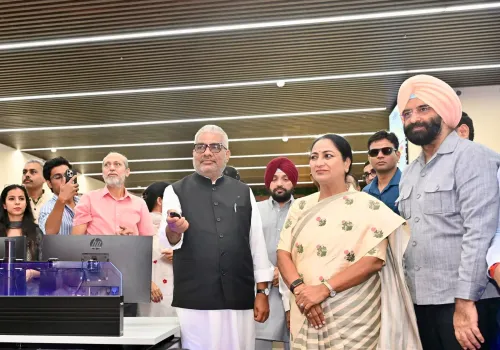
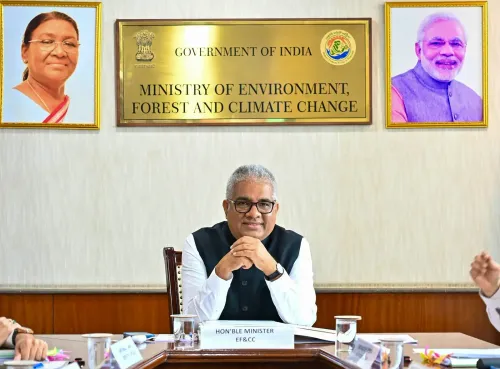
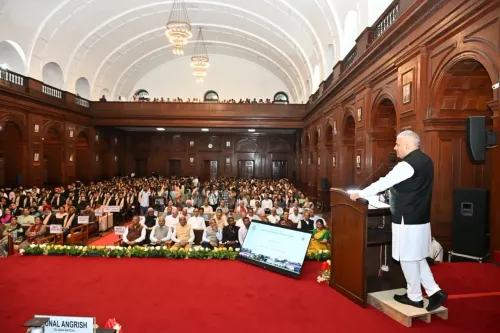
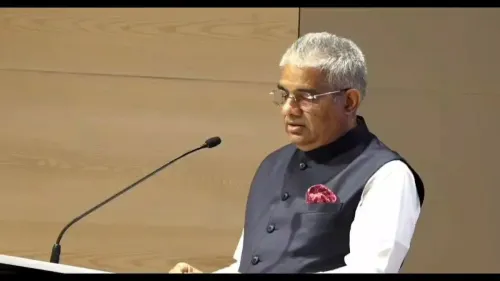
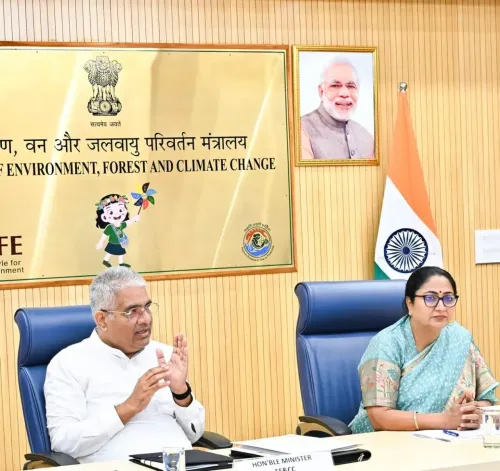
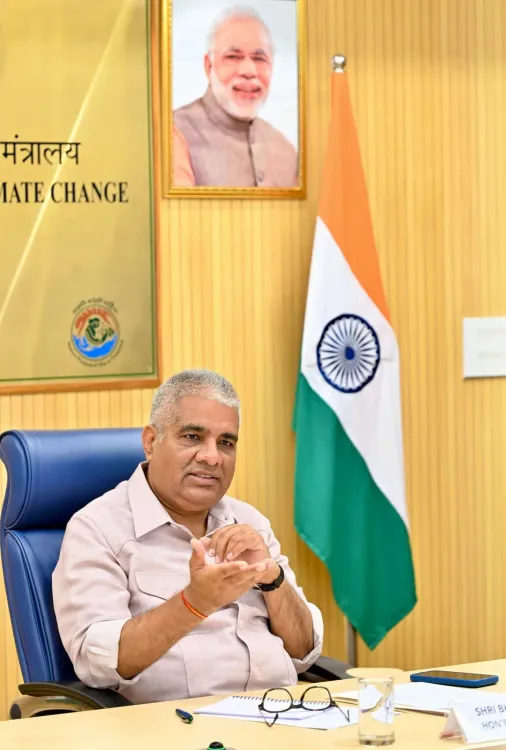
Eight sharply defined problem areas, dozens of startup pitches, and one clear directive from the top: technology must close the gaps that regulation alone cannot. Union Environment Minister Bhupender Yadav on Saturday, 17 October 2026 held what he described as an 'engaging and meaningful interaction' with startups and innovation companies building environmental solutions, with a focused lens on air pollution control and mitigation.
Eight pollution fronts, one room of innovators
The session was not a ceremonial showcase. Companies walked the Minister through concrete solutions across a wide arc of the air-quality problem — from invisible industrial stack emissions to the very visible potholes that slow traffic and kick up road dust. Yadav said the companies 'presented their solutions to air pollution control challenges' and that deliberations covered 'ways to engage further on the proposed solutions' — language that points toward structured follow-up rather than a one-off meeting.
The breadth of the agenda was striking. On industrial emissions, startups proposed tamper-proof Online Continuous Emission Monitoring Systems (OCEMS) with AI-driven detection of data drift and manipulation — a direct response to long-standing concerns that regulated industries game monitoring data. Solutions also covered integrating Continuous Ambient Air Quality Monitoring Stations (CAQMS), OCEMS, and plant-operation data to flag potential violations in near real time.
Stubble smoke, construction dust, and the congestion-emissions loop
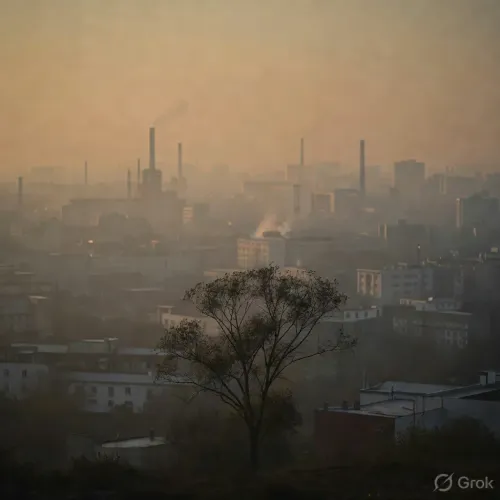
Three of the eight areas targeted pollution sources that spike India's air quality index every winter. Paddy-stubble and open biomass burning — a perennial crisis in northern states, especially Punjab, Haryana, and western Uttar Pradesh — was addressed through proposals for 24×7 geolocation and alerting of burning incidents, paired with logistics platforms to match straw collection with bioenergy and composting facilities. The government has issued crop-residue management subsidies since 2018, but ground-level compliance has remained patchy; the startup proposals attempt to add a real-time enforcement and utilisation layer on top of existing schemes.
Construction and demolition dust — often the largest single-source contributor in fast-growing Indian cities — drew two separate solution tracks: AI cameras to detect dust at C&D sites and automatically trigger suppression equipment, and digital platforms to certify, match, and track recycled C&D waste against construction demand. Rounding out the transport cluster, startups pitched tamper-proof Pollution Under Control Certificate (PUCC) testing using Automatic Number Plate Recognition (ANPR) to flag vehicles without valid certificates, alongside AI-based congestion prediction to cut idling emissions.
Where this sits in India's clean-air architecture
The meeting lands inside a multi-year policy framework. The National Clean Air Programme (NCAP), launched in 2019, targets particulate pollution reduction in 131 non-attainment cities. The Commission for Air Quality Management (CAQM), established under a 2020 Act, coordinates interventions across the National Capital Region and adjoining states. Both bodies have leaned heavily on command-and-control mechanisms — bans, fines, graded response plans — that critics argue lack real-time teeth. The startups in Saturday's session are, in effect, pitching the technology layer that could give those mechanisms enforceability.
The final two areas — affordable combustion-efficiency monitors for small industries and smart Remote Emission Control Devices (RECDs) for diesel generator sets — signal attention to the dispersed, hard-to-monitor sources that large regulatory systems routinely miss. Portable, cost-effective pothole-repair machines also featured, linking road-maintenance quality directly to dust and congestion-related emissions.
Pilots in non-attainment cities: the next signal to watch
No procurement decisions or pilot city announcements were confirmed at this stage, and specific company names remain unpublished in the public record. The watch-point is whether the Central Pollution Control Board (CPCB) or state pollution control boards follow with notifications on integrating any of these technologies into existing monitoring or enforcement infrastructure — especially before the October-to-February high-pollution season peaks across the Indo-Gangetic Plain.
India's startups have rarely had a cleaner shot at the centre of air-quality policymaking. Whether Saturday's deliberations translate into contracts, pilots, or regulatory mandates will determine whether this was a listening session — or the start of something that actually changes the air.
Point of View
AI-augmented technology can close — and that the startup ecosystem, not legacy PSUs, is now the preferred vehicle for filling it. The focus on tamper-proofing OCEMS and PUC testing is especially telling: it implies that the Ministry sees data manipulation by regulated entities as a structural problem, not an exception. If even a handful of these solutions graduate to CPCB-mandated procurement, it would mark a meaningful shift from reactive seasonal bans toward continuous, data-driven enforcement. The timing — weeks before the Indo-Gangetic Plain's worst pollution months — is not incidental.
NationPress
17 Oct 2026
Frequently Asked Questions
What did Bhupender Yadav discuss with startups on air pollution?
He held a structured interaction with startups working on environmental solutions, covering eight areas: industrial emissions monitoring, construction dust suppression, city-wide air-quality mapping, cleaner vehicles and traffic management, stubble-burning detection, industrial and DG-set emission controls, C&D waste recycling, and rapid pothole repair to reduce road dust.
What is OCEMS and why is tamper-proofing important?
OCEMS stands for Online Continuous Emission Monitoring System — sensors installed at industrial stacks to measure real-time emissions. Tamper-proofing matters because concerns persist that regulated industries manipulate or drift data to avoid penalties; AI-based detection of such manipulation is one of the startup solutions discussed.
How does this relate to India's National Clean Air Programme?
The National Clean Air Programme, launched in 2019, targets particulate pollution reduction in 131 non-attainment cities. The startup solutions discussed would provide the real-time monitoring and enforcement technology layer that the programme's existing regulatory mechanisms currently lack.
What startup solutions were proposed for stubble burning?
Startups proposed 24×7 geolocation and detection of paddy-stubble and open biomass burning, with automated alerts and response tracking, plus digital logistics platforms to match collected straw with bioenergy plants, biomass-fuel producers, and composting facilities.
What happens next after this startup interaction?
No pilot deployments or procurement decisions were announced publicly. The key signal to watch is whether the Central Pollution Control Board or state pollution control boards issue notifications integrating any of these technologies — particularly before peak winter pollution season across northern India.