Bhupender Yadav Reviews Delhi-NCR Air Pollution Action Plan
Synopsis
Union Environment Minister Bhupender Yadav chaired a high-level review of the Delhi-NCR Air Pollution Action Plan on 26 May 2026 with Chief Minister Rekha Gupta and senior central and state officials, flagging implementation gaps and demanding time-bound action on road dust, traffic, EVs and waste management.
Key Takeaways
Bhupender Yadav chaired a comprehensive review of the Delhi-NCR Air Pollution Action Plan on 26 May 2026 .
The meeting included Delhi CM Rekha Gupta , state ministers, and senior officials from MoEFCC , CPCB , and CAQM .
The minister highlighted 'implementation gaps' and called for time-bound completion of road dust mitigation, intelligent traffic management, EV transition, and waste management measures.
Strict enforcement and coordinated inter-agency action were stressed as essential to protecting public health in the NCR.
The meeting is a pre-winter season check-in against the backdrop of the GRAP framework and the National Clean Air Programme targets.
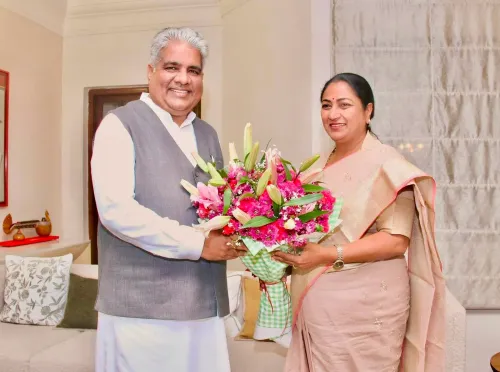
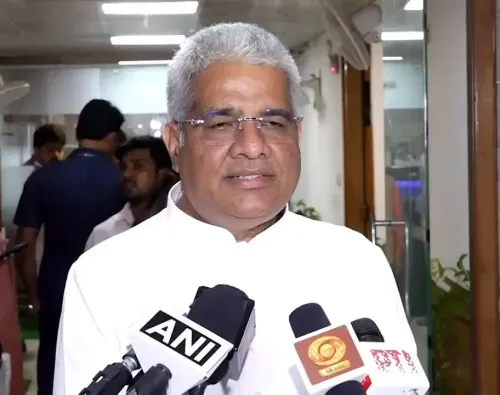
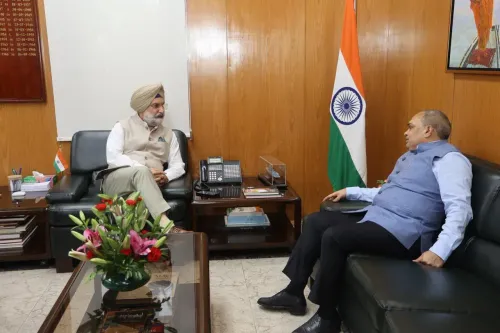
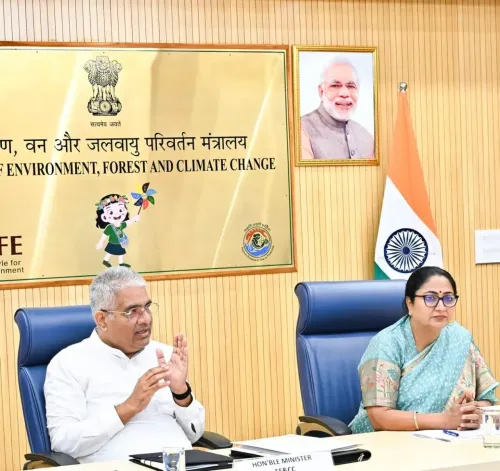
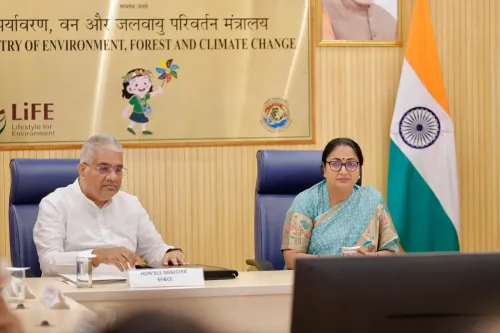
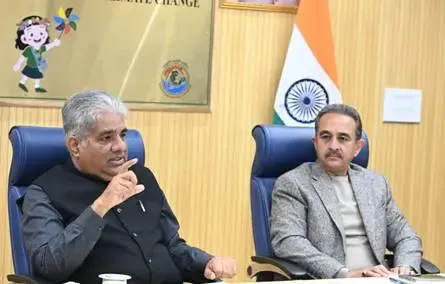
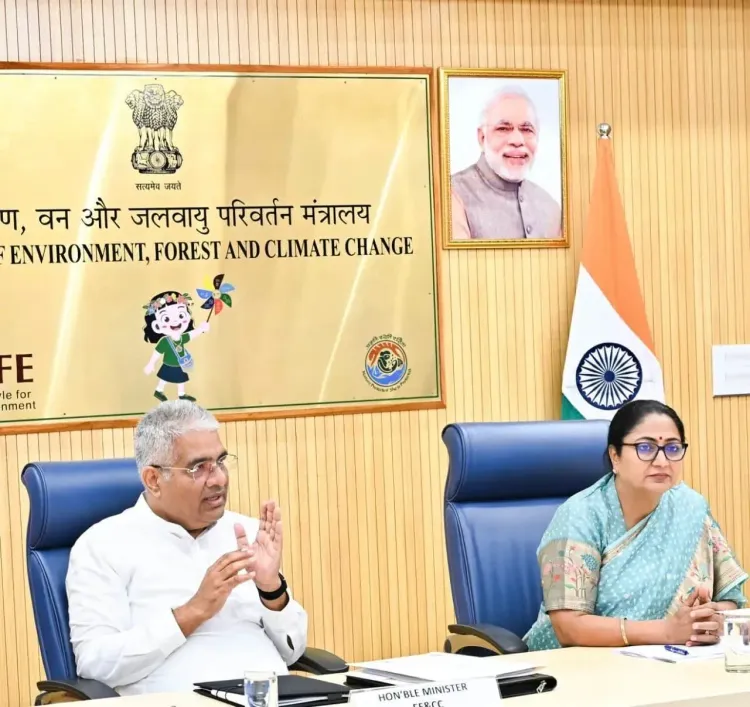
Union Environment Minister Bhupender Yadav on Tuesday, 26 May 2026 chaired a comprehensive review meeting of the Delhi-NCR Air Pollution Action Plan, bringing together Delhi Chief Minister Rekha Gupta, state ministers, senior Delhi government officers, and top officials from the Ministry of Environment, Forest and Climate Change (MoEFCC), the Central Pollution Control Board (CPCB), and the Commission for Air Quality Management (CAQM).
Context
The meeting was convened to assess the ground-level status of ongoing air quality interventions across the National Capital Region (NCR). Minister Yadav highlighted 'implementation gaps' in key areas and urged all agencies to pursue 'time-bound completion' of measures targeting road dust mitigation, intelligent traffic management, EV transition, and waste management. The minister called for 'strict enforcement and coordinated action essential to protect public health and improve the quality of life for citizens.'
The review underscores persistent concerns that planned interventions on paper have not always translated into consistent on-ground enforcement — a pattern that has been flagged in successive official meetings involving central and state agencies over recent years.
Policy Backdrop
The Delhi-NCR air pollution crisis has prompted a layered institutional response over the past decade. The Graded Response Action Plan (GRAP), first introduced in 2017, created a staged emergency framework that activates progressively stricter restrictions as the Air Quality Index deteriorates, particularly during winter months. The CAQM Act of 2021 went further, establishing a permanent statutory body to coordinate pollution control across Delhi and adjoining districts in Haryana, Uttar Pradesh, and Rajasthan.
Nationally, the National Clean Air Programme (NCAP), launched in 2019, set a target of 20-30% reduction in particulate matter concentrations across 131 non-attainment cities. On the transport side, the FAME-II scheme has been driving EV adoption in urban areas, with road dust and vehicle emissions identified as primary pollution sources alongside waste burning.
Stakeholders and Impact
The most direct beneficiaries of improved enforcement are Delhi-NCR's tens of millions of residents who endure some of the world's worst air quality, particularly between October and February. Urban transport operators, municipal bodies responsible for road maintenance and waste processing, and construction agencies all fall within the ambit of the action plan's mandates.
The multi-agency structure of Tuesday's meeting — spanning the central ministry, CPCB, CAQM, and the Delhi state government — reflects the complexity of the problem: pollution sources cross administrative boundaries, and no single agency can enforce compliance unilaterally. The minister's emphasis on 'coordinated action' signals that inter-agency alignment remains a work in progress.
What's Next
Attention will now turn to whether the agencies represented at Tuesday's meeting translate the minister's directives into measurable action before the onset of the next winter pollution season. Key indicators to watch include compliance reporting under revised GRAP stages, state budget allocations for EV infrastructure and waste processing facilities, and any fresh legislative or administrative updates from CAQM. The PIB press release linked by the minister is expected to carry further operational details of the directives issued at the meeting.
With both central and Delhi state leadership present at the same table, the meeting sets a political baseline against which enforcement progress — or the lack of it — will be measured in the months ahead.
Point of View
' Minister Yadav is creating a record that shifts responsibility for any future enforcement failure squarely onto the operational agencies. The emphasis on 'time-bound completion' and 'coordinated action' echoes language used in CAQM orders for years, suggesting the core challenge remains execution rather than policy design. Ahead of the winter pollution season, this meeting functions as both a governance exercise and a political inoculation against the annual media scrutiny over Delhi's air quality crisis.
NationPress
19 Sept 2026
Frequently Asked Questions
What was discussed at Bhupender Yadav's Delhi-NCR air pollution review meeting?
The meeting reviewed the status of the Delhi-NCR Air Pollution Action Plan, with Minister Yadav highlighting implementation gaps in road dust mitigation, intelligent traffic management, EV transition, and waste management, and calling for time-bound and strictly enforced action.
Who attended the Delhi air pollution review meeting on 26 May 2026?
The meeting was chaired by Union Environment Minister Bhupender Yadav and attended by Delhi Chief Minister Rekha Gupta, Delhi state ministers and officers, and senior officials from MoEFCC, CPCB, and CAQM.
What is CAQM and what role does it play in Delhi-NCR air pollution?
The Commission for Air Quality Management (CAQM) is a statutory body created under the CAQM Act of 2021 to coordinate air pollution control measures across Delhi and adjoining districts in Haryana, Uttar Pradesh, and Rajasthan.
What is the Graded Response Action Plan (GRAP) for Delhi?
GRAP is an emergency response framework introduced in 2017 that triggers staged restrictions — on construction, vehicles, and industry — based on the Air Quality Index level in Delhi-NCR, with stricter measures activating as pollution worsens.
What is India's National Clean Air Programme?
The National Clean Air Programme (NCAP) was launched in 2019 with a target of achieving a 20-30% reduction in particulate matter concentrations across 131 non-attainment cities in India, including Delhi.